

- today
- label News
- favorite 0 Likes
- remove_red_eye 21331 Visits
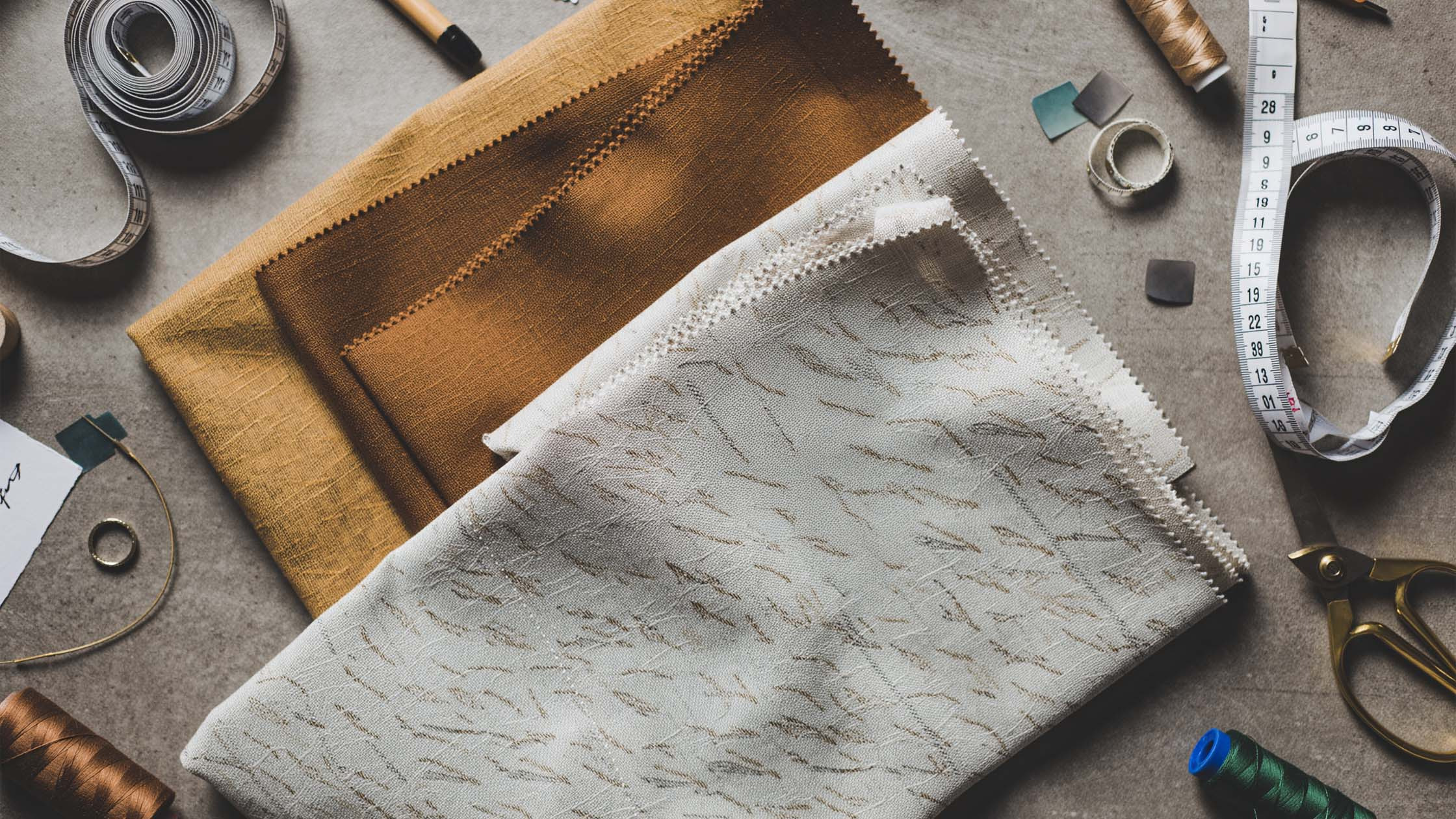
What exactly are signed fabrics? Definition and characteristics of the luxury market
The world of high fashion is governed by its own laws, and access to materials used by the largest fashion houses has been a closely guarded secret for years. Signature fabrics are actually production surpluses that are created when creating collections for brands such as Dolce & Gabbana, Gucci, Versace or Max Mara. These are not imitations or materials mass-produced for the retail market. These are authentic, top-class raw materials that have been designed exclusively by a specific designer, and their surplus has been recirculated through specialized slope wholesalers. By choosing such a material, you buy exactly the same product that you saw on the catwalk in Milan or Paris, with the difference that you can use it to create something perfectly tailored to your figure. This market is based on exclusivity and limited availability, which makes every running meter a commodity desired by tailoring connoisseurs.
Italian fabrics and French fashion houses – where premium materials come from
Most luxury materials have their source in the historical textile basins of Europe. Italian regions such as Como, famous for its silk production, or Prato and Biella, which are the world's wool centers, are places where orders for fashion giants are made. French Lyon also plays a significant role here, especially in the context of jacquard and lace. Fashion houses order materials well in advance and in quantities that secure their production with a margin of error. When the collection is sewn and the season ends, the factories are left with beams of unused material. These so-called warehouse stocks are then purchased by trusted trading partners. Thanks to this process, the material, which was originally reserved for haute couture clients paying thousands of euros for a dress, goes to retail at a fraction of that price, retaining its original, noble origin.
Signature on the flap, panel or weave login – technical aspects of brand recognition
Recognizing a signed fabric requires some knowledge, as designers use different methods of marking their products. The most obvious form is the inscription on the lace, i.e. the factory edge of the fabric, where the name of the fashion house is displayed, as well as the raw material composition and place of production. It is a kind of certificate of authenticity, which disappears after heming the edges, but gives confidence when buying. Another form is logging in inscribed in the template of the material itself. It can be a subtle logo woven into a jacquard weave, visible only at the right angle, or an element of print that is an integral part of the design, as in the case of famous chains or Baroque motifs. There are also panel fabrics, i.e. coupons of a certain length, which create a closed graphic composition. In this case, the signature is often integrated into the lower or upper part of the panel, being a decorative element of the finished garment.
The phenomenon of deadstocks in 2026 – why the endings of collections are "white ravens"
In 2026, environmental awareness and the zero waste trend have changed the perception of production surpluses. Deadstocks, i.e. dead warehouse stocks, have ceased to be treated as waste and have become the most sought-after raw material on the market. For a tailor-made person, getting such material is like finding a white raven. Quantities are strictly limited. Often, only a dozen or several dozen meters of a given design for the whole country are sent to the wholesaler. When the beam is finished, the material disappears irretrievably, because fashion houses do not resume the production of old collections. This makes clothing made of such material unique on a global scale. In the era of mass production and repeatability of chain stores, owning a deadstock dress from a great designer is an expression of the highest luxury and a conscious approach to fashion, which values the use of existing resources instead of producing new ones.
Why is the purchase of a signed fabric an investment and not a simple expense?
Many customers wonder whether the higher price per running meter of material with the designer's label is rationally justified. When looking at the purchase of fabric solely through the prism of a one-time expense, it is easy to overlook the long-term perspective. Signature fabrics should be considered as an asset in your closet. The cost of a material is spread over years of use, which in fashion economics is referred to as cost per wear. Clothes made of cheap polyester can lose their cut after a few washes, while high-end wool or silk retain their properties for decades. Investing in a premium raw material is a guarantee that your time and work put into sewing will not be wasted, and the end result will look professional and luxurious, regardless of the passage of time.
Timeless quality: How natural silk and fine wool withstand the passage of time
Fashion houses build their reputation on quality, which is why they cannot afford to use semi-finished products. Signature natural silk is characterized by a denser weave and a longer thread than its cheaper counterparts, which translates into greater mechanical strength and resistance to pulling. On the other hand, coat wools from brands such as Max Mara or Armani undergo complex finishing processes that prevent felting and pilling. Such material "works" differently. It is resilient, returns to its original shape after creaseping, and ages nobly. Instead of deteriorating, it takes on character over time. A coat made of high-quality wool with cashmere will look impeccable even after ten years of intensive wear, which makes it a much cheaper solution in the long run than buying a new coat every two seasons.
Exclusivity and limited areas – a guarantee of the uniqueness of your project
We live in a time where uniqueness is the new currency of luxury. When buying clothes in a chain store or even in an expensive boutique, you risk meeting another person in an identical outfit. By opting for signed fabrics, this risk drops to almost zero. Due to the specificity of the deadstock market, the amount of material available is minimal. If you buy three meters of silk in a characteristic pattern from the catwalk, you can be almost sure that in your city, and probably in the country, no one else will sew the same dress from it. This gives you a huge scope for your creativity and allows you to express your individual style without compromise. Your wardrobe becomes a collection of works of applied art, not a collection of random mass products. This sense of uniqueness is an intangible value that is priceless for many fashion enthusiasts.
The value of "slow fashion" – why clothing made of branded materials is gaining value
The vintage fashion market is currently experiencing a renaissance, and clothes made of authentic designer materials are treated as a capital investment. A well-sewn jacket made of Chanel wool or a dress made of Dolce & Gabbana silk do not lose their value when the label is cut off. On the contrary, the quality of the raw material and its origin make such clothes possible to resell at a profit on platforms for fashion collectors after years. Conscious consumers are looking for clothes with a history and quality that modern fast fashion lacks. By sewing from signature fabrics, you create clothes with the potential of inheritance. They can serve not only you, but also future generations, becoming a family heirloom. This is the essence of the slow fashion philosophy, where quality matters, not quantity, and each piece of clothing is a well-thought-out investment.
An overview of the most popular materials with a signature – what do designers choose?
The range of signature fabrics is as wide as the imagination of creative fashion house directors, but certain groups of materials are unflaggingly popular. This is due to their versatility, functional properties and the status they carry. Designers most often reach for natural raw materials that ensure wearing comfort and excellent appearance. Among the available slopes, we can most often find silks, wools, cashmeres and high-quality cotton. Each of these materials has its own specific use and requires a different approach to sewing, but they have one thing in common – uncompromising quality, which is the showcase of the brand that brands a given pattern or weave.
Signature natural silk – from Versace-style satin to airy chiffon
Silk is the king of luxury fabrics and the most sought-after material in the slope offer. It comes in many varieties, each of which is suitable for a different type of creation. Silk satin, often associated with Versace's rich patterns, features a smooth, shiny surface and flowing texture, perfect for evening gowns and sensual blouses. On the other hand, crepe silk (crêpe de chine) has a matte finish and is more discreet, great for elegant shirts for the office. Chiffon and muslin, often found in summer collections, are transparent and airy, but require a lot of sewing practice. Signature silks are distinguished by the depth of color saturation. The digital printing technology used by fashion houses allows for the precision of detail and color that is impossible to achieve in cheaper replacements.
Coat wool and cashmere – an investment in elegance straight from Max Mara
When we think of the perfect coat, we think of iconic camel models. Coat fabrics signed by Italian manufacturers are the absolute pinnacle of tailoring. Blends of sheep's wool with cashmere, alpaca or camel wool provide incredible thermal comfort while maintaining the lightness of the material. These fabrics are often subjected to the zibeline process, which gives them their characteristic shine and wavy hair texture. The investment in such a coat material pays off every winter. Cashmere is extremely soft to the touch and does not bite, which is a common disadvantage of cheaper wools. By sewing a coat from such a fabric, you get a product with insulating and aesthetic parameters, for which you would have to pay the equivalent of a small car in a boutique.
Shirt cotton and viscose – luxury in everyday form
Luxury is not reserved only for grand outings. Everyday elegance is based on high-quality base materials. Signature shirt cottons, often sourced from the same weaving mills as shirts for the best men's suit brands, feature a dense weave and easy-iron finish for easy ironing. They are airy, hygroscopic and extremely durable. Designer viscose, on the other hand, is an excellent alternative to everyday silk. It is cool to the touch, fits and breathes perfectly, and is easier to care for. Viscose patterns often reflect current trends from the catwalks, allowing you to sew a fashionable dress or tunic that will look like it came straight from a shop window on Avenue Montaigne, but will provide comfort on summer days.
How to buy signed fabrics online safely? A guide for a conscious customer
Buying luxury materials online can be a concern, especially when we do not have the opportunity to touch the fabric before the transaction. The key to success is knowledge and choosing the right supplier. The market is full of "inspirations", i.e. materials that refer to well-known brands in design, but differ significantly from them in terms of quality. A conscious customer must be able to distinguish between an opportunity and a trap. Safe shopping is based on trust in the seller, the ability to read technical specifications and knowledge of the characteristics of premium products. Remember that in the case of signature fabrics, a low price rarely goes hand in hand with authenticity, although in the case of deadstocks, the prices are still much lower than the market value of the raw material.
How to distinguish an original from an inspired fake – analysis of the pattern and grip of the material
The first warning sign should be the quality of the print. In the original signature fabrics, the pattern is razor-sharp, the colors are saturated and do not spill beyond the contours. If you see that the print is blurry, pixelated, or the colors are faded, you are probably dealing with a fake. The second aspect is the grip of the material. The silk from the designer is fleshy, flowing and cool to the touch. Polyester satin pretending to be silk will be slippery in an unnatural way, static and stiff. It is worth asking the seller for samples or carefully analyzing macro photos that show the structure of the weave. Original fabrics often also have a specific width – usually 140 cm, while cheap fakes can have non-standard dimensions.
Shopping in trusted wholesalers and the risk of online auctions
The safest place to buy signature fabrics are reputable wholesalers and stores that have been specializing in importing slopes from Italy for years. Companies such as Izpol build their credibility on long-term relationships with suppliers and guarantee the origin of their goods. By buying from a proven place, you can be sure that the description of the composition (e.g. 100% silk) is true. Online auctions and classifieds portals are fraught with high risk. Private sellers often have no knowledge of materials science and can be unknowingly misleading by calling any shiny material silk. In addition, in the case of hidden defects or inconsistencies with the description, it is much more difficult to assert your rights with a private seller than in a registered store with a clear return policy.
Reading product descriptions – what the terms "coupon" and "pattern report" mean
A professional description of a signed fabric contains specific terms, the understanding of which is crucial for a successful purchase. "coupon" or "panel" means a piece of fabric of a certain length (e.g. 120 cm), sold by the piece, not by the running metre. Often, the pattern on the coupon is arranged to create the finished front and back of the blouse or dress. The "pattern report" is the distance after which the graphic motif repeats. This is extremely important information when planning the use of material – you need to buy enough of it to be able to aesthetically fit the pattern on the seams. Also pay attention to the weight given in the description. This will allow you to assess whether the material is thin and airy (low weight) or thick and stiff (high weight), which is crucial for choosing the right cut.
What to sew from luxury materials? Inspirations for seamstresses and enthusiasts
Having a beautiful piece of fabric is just the beginning of the adventure. Often, the fear of spoiling an expensive fabric paralyzes us from sticking scissors. However, it is worth remembering that signed fabrics are so decorative that they look best in simple forms. You don't have to sew complicated constructions to achieve the wow effect. The high-end material defends itself – its texture, pattern and the way it works on the silhouette do most of the work for you. The key is to choose a cut that will emphasize the qualities of the fabric, not overwhelm it.
Summer creations made of silk and linen – dress suggestions for demanding
For summer, simple slip dresses made of silk satin will be perfect. It is a cut that never goes out of fashion and exposes the nobility of the material. If you have silk chiffon with floral patterns, think about a boho-style maxi dress with wide sleeves and frills – the airiness of the material will give the figure lightness. Signature linen, on the other hand, is an excellent choice for shirts and loose palazzo trousers. Designer linen is often softened in the production process, so it creases less and is more pleasant to the skin than raw linen. A simple, boxy linen blouse with the logo of a well-known fashion house paired with jeans will create an outfit in the spirit of casual luxury.
A classic of the genre – a perfectly tailored jacket or coat made of signature wool
Woolen fabrics signed are begging for classic, tailoring forms. A boxy jacket in the Chanel style made of characteristic bouclé braided is a project that is worth having in your portfolio. Such an item of clothing goes well with both an elegant skirt and a regular t-shirt. If you have coat wool, go for a classic trench coat or a diplomat coat. These are cuts that require precision, but repay with an impeccable look for years. Remember that when sewing from thick wool, it is worth investing in a good lining, preferably viscose or silk, which will complement the luxurious character of the whole.
Using leftover premium fabrics – accessories that will spice up any look
Signature fabrics are too valuable to throw away even the smallest scraps. From the remnants of silk, you can sew scrunchies for hair elastics, which are gentle on the hair and look very stylish. Smaller pieces will work well as pocket squares for jackets (also men's!) or as a material for heming buttons. Wool scraps can be used to make elegant headbands or wrist warmers. An interesting idea is also to use fragments of fabric with a visible logo to create an appliqué on a simple cotton sweatshirt or shopper bag, giving them a unique character.
Care of signature fabrics – how to take care of materials so that they last for years
The decision to invest in luxury materials is associated with the need to take proper care of them. Natural fabrics, although durable, can be capricious in conservation. Improper washing or ironing can irreversibly damage the structure of the fibers, depriving the material of its shine and properties. Treat your sewn clothes with respect, and they will reward you with an impeccable appearance. The key is to prevent and avoid aggressive chemicals and high temperatures, which are the biggest enemies of noble fibers.
Washing and maintenance of natural silk – home remedies vs. laundry
Natural silk does not like water, and in particular rapid changes in its temperature. The safest method is dry cleaning in a trusted laundromat, especially in the case of jackets or complicated lined dresses. If you choose to wash by hand at home, use only lukewarm water and specialized silk liquids (or a gentle hair shampoo). Never twist the material! Drain off excess water by wrapping your clothes in a towel. Always iron the silk inside out when it is still slightly damp, setting the iron to the lowest temperature. Avoid spraying with water during ironing, as stains may form.
Storing wool and cashmere clothing – protection against moths and deformation
Wool and cashmere require space and air. Hang coats and jackets on wide, contoured hangers that support the shoulder line and prevent deformation. Always store sweaters and knitted fabrics folded on a shelf – hanging them will cause the fabric to stretch unsightly under its own weight. The biggest enemy of wool is clothing moths. To protect yourself from them, use natural repellents, such as lavender bags or cedar wood, which should be placed in the closet. Also, remember never to hide worn clothes in the closet, even if they seem clean – the remnants of the epidermis or the smell of perfume attract pests. Store seasonal clothes in breathable cotton covers, avoid foil, which promotes moisture buildup.
FAQ – Frequently asked questions about signed fabrics
Does each signed fabric have an inscription on the factory edge?
No, this is not a rule. Many fashion houses sign only part of their fabrics on the lace. It is often the case that the same material is available in a version with and without an inscription, depending on the production batch. The lack of an inscription on the edge does not mean that the fabric is unoriginal, especially if it comes from a trusted slope wholesaler. Sometimes the signature comes in the form of a label or is incorporated into a pattern.
Why do the prices of signed fabrics differ so much?
The price depends on many factors: the composition of the raw material (cashmere will be more expensive than sheep's wool), the degree of complexity of the design, the popularity of a given brand and the availability of square footage. Unique panels from the most sought-after collections will be more expensive than smooth base fabrics from the same manufacturer. In addition, the prices of deadstocks are much lower than regular prices anyway, so the differences may result from the moment the slope is purchased by the wholesaler.
Are materials from famous designers more difficult to sew?
It depends on the type of fabric, not the brand. Silk chiffon will always be demanding, whether it is signed or not. However, luxury fabrics are often more "graceful" in collaboration. High-quality wool is easier to mold with an iron, and densely woven cotton sheds less. The quality of the raw material often makes it easier to work, provided you have the right tools (sharp scissors and thin needles).