

- today
- label News
- favorite 0 Likes
- remove_red_eye 15052 Visits
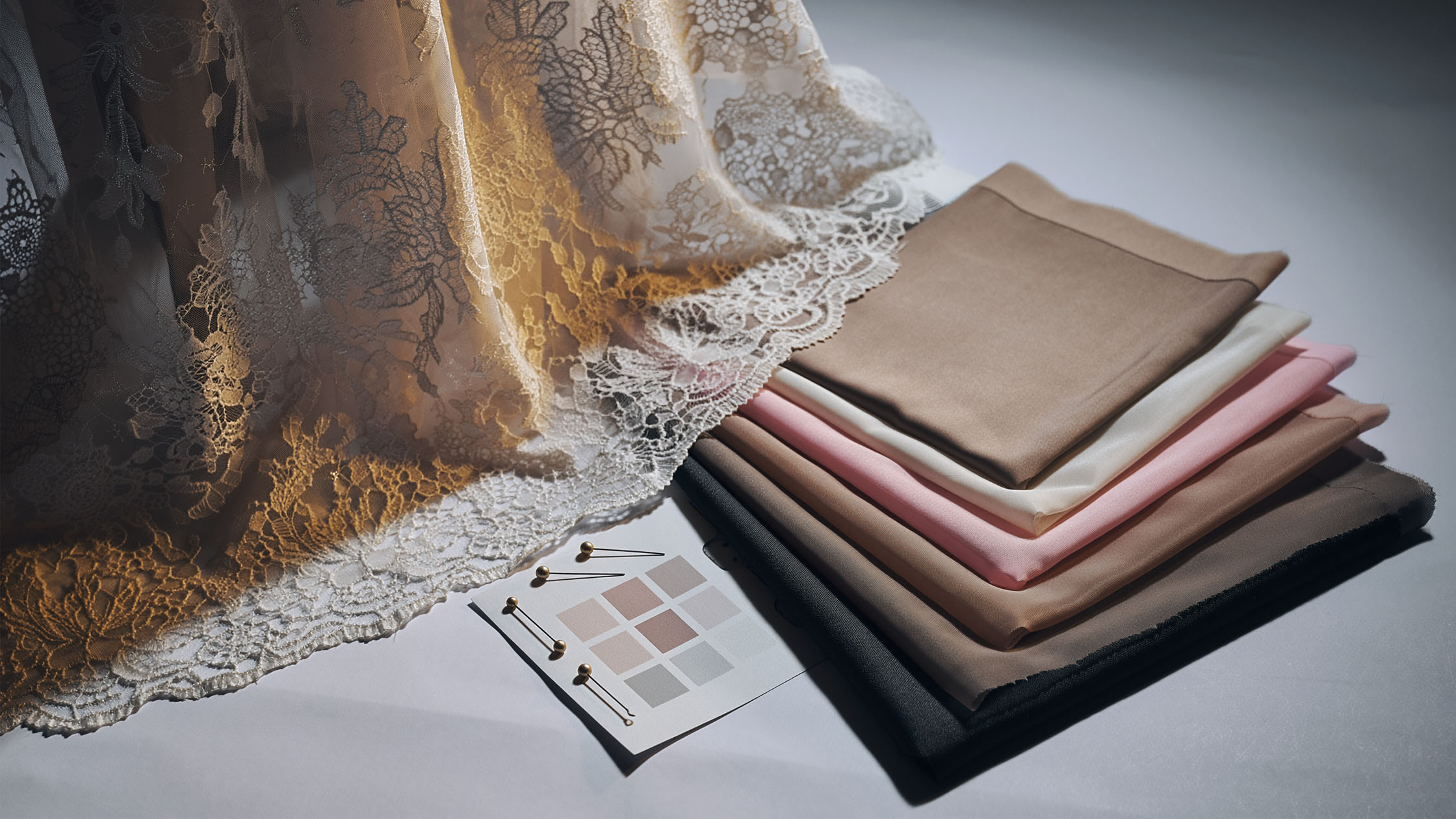
Sewing specifics: why does lace for a dress require a special lining?
Sewing creations from openwork materials poses completely different challenges than working with solid fabrics. Lace for a dress is a demanding material not only because of its delicate structure, but above all because of its transparency, which forces the use of an additional layer of material. In this case, the lining ceases to have a purely technical function, consisting in finishing the inside of the garment, and becomes an integral part of the design, affecting its aesthetics and colors. The decision to choose the bottom layer determines whether your dress will look like an exclusive design from the catwalk or a cheap ready-to-wear from a chain store. You have to remember that openwork will not forgive mistakes in choosing a base, because any imperfection or crease underneath will be visible on the outside. The appropriate base must cooperate with the top layer, not fight it, which requires understanding the specifics of both combined resources.
The problem of translucency and the role of the background for openwork patterns
The openwork structure of the material makes what is underneath as important as the top layer itself. The lining here acts as a canvas on which you expose an intricate pattern of embroidery or weaving. If you choose the wrong base, you can completely lose the drawing of the lace, making it look like a smooth and uninteresting fabric from a distance. You need to treat the lining as a background that will either enhance the three-dimensionality of the pattern or flatten and hide it. A lining that is too shiny can distract from matte lace, creating unwanted optical dissonance, while a lining that is too dull can make the whole thing seem heavy and lifeless. Your goal is to find a balance that allows the crown to play first fiddle while providing full coverage in strategic places in the silhouette.
Wearing comfort – how to isolate the skin from the rough structure of the lace
Many laces, especially those richly decorated with beads or sequins or made of synthetic fibers, have a rough left side, which can irritate delicate skin. Direct contact of such material with the body for several hours of a wedding or ball often ends in redness and discomfort, which takes away the joy of wearing the outfit. The lining is designed to create a protective barrier that is pleasant to the touch and safe for the epidermis. You need to make sure that the base material is soft and smooth, because it will have direct contact with your body. This is especially important in the case of fitted cuts, where the friction of the material against the skin is more intense. A good lining acts as a second skin, making even the most elegant and stiff lace comfortable to use.
The effect of the lining on the arrangement and durability of the delicate material
Lace is inherently flaccid and prone to deformation due to its own weight or stresses generated during movement. The lining takes over the structural stress, protecting the delicate threads of the lace from tearing at the seams or pushing out in sensitive points such as elbows or buttocks. A properly selected base stabilizes the entire structure of the dress, giving it the desired form that lace alone would not be able to maintain. If you sew a pencil dress, it is the lining that is responsible for holding the cut and preventing the top layer from wrinkling. In the case of flared dresses, it is the lining that can add volume and make the lace beautifully fold instead of hanging sadly.
Playing with colour: nude, contrast or classic tone-on-tone matching?
The color of the lining is the most powerful tool in your hands to completely change the character of the sewn dress. The same piece of lace placed on different backgrounds will give you three completely different creations from conservative classics to avant-garde modernity. The choice of base color should not be random, but dictated by the effect you want to achieve and the occasion for which you are sewing the outfit. You need to consciously operate with color, knowing that a light background under dark lace will highlight every detail of the pattern, while a dark background under dark lace will create a uniform and calm surface. It is at the stage of choosing the color of the lining that you decide whether your dress will be romantic, predatory or minimalist. It is worth applying different shades of fabrics to each other in daylight to avoid color surprises after sewing.
Nude lining – how to achieve a fashionable "naked dress" effect
The nude dress effect is one of the strongest trends in evening and wedding fashion, allowing you to maximally expose the lace pattern while maintaining full discretion. To achieve this result, you need to choose the shade of the lining perfectly to your complexion, not to the color of the lace. The mistake is often to choose a standard beige, which may turn out to be too yellow or too pink in combination with your skin, which will destroy the illusion of transparency. Look for shades referred to as caramel, toffee or powder pink, depending on whether your skin has warm or cool tones. A properly selected nude lining becomes invisible to the eye, giving the impression that the lace is applied directly to the body, which gives the outfit lightness and a sensual character.
Classic elegance – the perfect match of the color of the foundation to the lace
The solution of choosing a lining in the same color as the lace is a safe and proven classic that works well in formal and business situations. Such a procedure makes the dress look like a uniform whole, and the lace pattern is visible thanks to the texture, not the color difference. This is an excellent option if you want to optically slim your figure, as the uniform block of color does not cut through the figure and does not draw the eye to any flaws. With this method, however, you need to be careful about the perfect harmony of shades, because even a slight difference in the tone of black or navy blue can look random and messy. It is best to buy fabrics from a single supplier or apply samples in natural light to ensure that the red of the lining does not bite with the red of the lace.
Bold contrast – how to enhance the lace pattern with a dark or light background
The use of a contrasting lining is a technique for people who want the pattern of their lace to be visible from a distance and be the main asset of the outfit. The most popular combination is black lace on a light background, for example, gold, silver, red or white, which gives the dress a vintage or evening glamour character. You can also experiment with light lace on a dark background, which is a rarer but very effective procedure that brings out the depth of light embroidery. Remember, however, that contrast mercilessly exposes the quality of the lace, so if your outer fabric has an irregular pattern or minor flaws, the contrasting background will highlight it. When deciding on this step, you need to be sure that the pattern on the seams will fit perfectly, as any asymmetry will be immediately noticeable.
Overview of fabrics: viscose, silk or satin – what to choose underneath?
The type of fiber from which the lining is made has a direct impact on your thermal comfort and how the dress will behave in motion. Many people make the mistake of investing in expensive lace and saving on the lining by choosing cheap polyester, which results in excessive sweating and static material. The choice of base fabric should be dictated not only by the price, but above all by physical properties such as breathability, hygroscopicity and grip. You have to decide whether you care about the natural coolness of silk, the practicality of viscose or the elasticity of synthetic satin. Remember that the lining is closer to the body than the lace, so its quality is crucial for your well-being throughout the entire time you wear the outfit.
Natural silk and cupro – premium options for demanding skin
If your lace for a dress is a luxury product made of natural fibers, the only right choice for the lining is natural silk or its noble substitute, i.e. cupro. These materials have excellent thermoregulation, which means they cool on hot days and warm on colder days, preventing sweat stains. The silk lining is extremely delicate to the touch and has a beautiful, noble shine that gently pierces through the openwork lace, adding depth to the creation. Cupro, often called vegan silk, has the same breathable properties and is antistatic, which prevents the dress from sticking to tights. By choosing these fabrics, you are investing in the highest wearing comfort and the certainty that your skin will breathe even during hours of play.
Viscose lining – the best compromise between price and breathability
Viscose is the most sensible choice for most tailoring projects, combining the advantages of natural fibers with an affordable price and ease of care. It is a material made from wood cellulose, making it fully breathable and breathable, making it an ideal choice for summer lace dresses. The viscose lining is usually matte or semi-matte, which provides a perfect backdrop for shiny lace without competing with them for attention. Its great advantage is that it does not become static, which is a common problem with cheap synthetic linings, causing unsightly sticking to the legs. Viscose is also easier to sew than slippery silk, making it a great option for people who don't yet have a lot of experience working with difficult materials.
Satin with elastane – when the elasticity of the foundation is essential
Modern fashion often uses elastic lace, which allows you to sew very fitted dresses that emphasize the figure without the need to sew zippers. In this case, your lining must absolutely follow the properties of the outer material, which forces the use of satin with the addition of elastane. Using a rigid lining under elastic lace would lead to a situation where the dress would restrict movement and the seams of the lining could crack under the influence of tension. Satin with elastane is usually thicker and meatier, which helps to shape the body and hide minor body imperfections. When choosing this material, however, you have to take into account slightly worse air circulation, so it is worth looking for blends with viscose or cotton instead of pure polyester.
Weight and grip: how to match the weight of the lining to the type of lace?
Matching the thickness and weight of the lining to the lace is a technical aspect that determines whether the dress will look light or heavy and baggy. The golden rule is that the lining should not be heavier than the outer material, unless you intentionally want to stiffen the corset structure. Too thin lining under heavy lace can deform and stretch, while too thick lining under delicate lace will dominate it and make the whole thing stick out in an unnatural way. You need to evaluate the grip of both fabrics, i.e. how they behave in the hand, whether they are flowing, stiff, soft or springy. The harmony between these two layers is the key to a professional look of the sewn thing.
Heavy guipure lace – why they require a more stable backing
Guipure is a type of block or embroidered lace that is characterized by a large convex pattern and a significant dead weight, often without a mesh background. Such material needs solid support, so the lining must have the right weight to maintain the structure of the dress. Thin veil or delicate viscose may turn out to be too flaccid and make the dress hang on the body like heavy armor instead of holding its form. In the case of guipure dresses, thicker satins, taffeta and even thin cotton fabrics work great to add stability to the structure. A more solid lining also prevents the guipure openwork from deforming under the influence of gravity, which is crucial for preserving the original shape of the creation for a long time.
Delicate French lace – choosing a light and airy base
French chantilly lace is extremely thin, airy and often has a very fine ciliated pattern on the delicate mesh. Combining them with a thick and stiff lining is a crime on the material that kills all its lightness and ethereality. For this type of lace, you need to choose feather-weight linings, such as silk chiffon, thin crepe or silk-cotton batiste. The goal is to maintain the mist effect and the smoothness of movement, so the base must work together with the crown with every step. Often, in such designs, more layers of thin lining are used instead of one thick one, which allows you to achieve depth of color without weighing down the delicate structure of French lace.
Hand test – how to check if a set of materials will work together
Before you decide to buy specific running meters of fabrics, perform a simple test that will protect you from a construction error. Put a layer of the lining of your choice on top of your hand and put a layer of lace on top of it and tighten your hand, then let go while watching the materials stretch. If both layers behave similarly and fall at the same rate, it's a good sign that they will work together on the finished dress. However, if the lace sticks out and the lining sags or vice versa, it means that their grip is too different and they can fit badly, causing wrinkling and pulling at the seams. Also check that the materials do not cling to each other by rubbing them against each other – excessive friction can cause the dress to pull up when walking.
FAQ – The most common dilemmas when sewing lace dresses
Even after choosing the perfect fabric and color during the sewing process, technical questions arise that can affect the functionality of the finished dress. Many people wonder about the issues of flexibility and transparency in the context of specific occasions such as a wedding or reception. The answers to these questions result from the laws of physics, materials and dress code rules, and it is worth knowing them before you put the first pin. Clearing these doubts at the planning stage will allow you to avoid tailoring corrections and the stress of not matching the outfit to your needs.
Does the lining have to be elastic if the lace has elastane?
This is an absolute must if you want to maintain the functionality of the elastic lace and the comfort of wearing a fitted dress. If you combine stretchy lace with a rigid, non-stretchy lining, the lining will become a blockage that will prevent the dress from conforming to the body and working while moving. As a result, the seams on the rigid lining will be subjected to enormous stress and may break when sitting or bending down, even though the top layer of the lace will remain intact. Always match the elasticity of the lining to the elasticity of the outer material – if the lace stretches lengthwise and wide, the lining should do the same.
What lining will work best under white wedding lace?
In the case of white wedding lace, the most common mistake is to choose a snow-white lining, which, paradoxically, can look cheap and flatten the lace pattern, merging with it into one spot. A much better choice are linings in shades of off-white or very light beige, which gently enhance the whiteness of the lace, making it more expressive and three-dimensional. If you want a modern look, you can consider a nude lining that will give the dress a lightness and make lace appliqués look like they are floating on the skin. However, avoid too dark beiges, which can look dirty under white lace.