

- today
- label News
- favorite 71 Likes
- remove_red_eye 20993 Visits
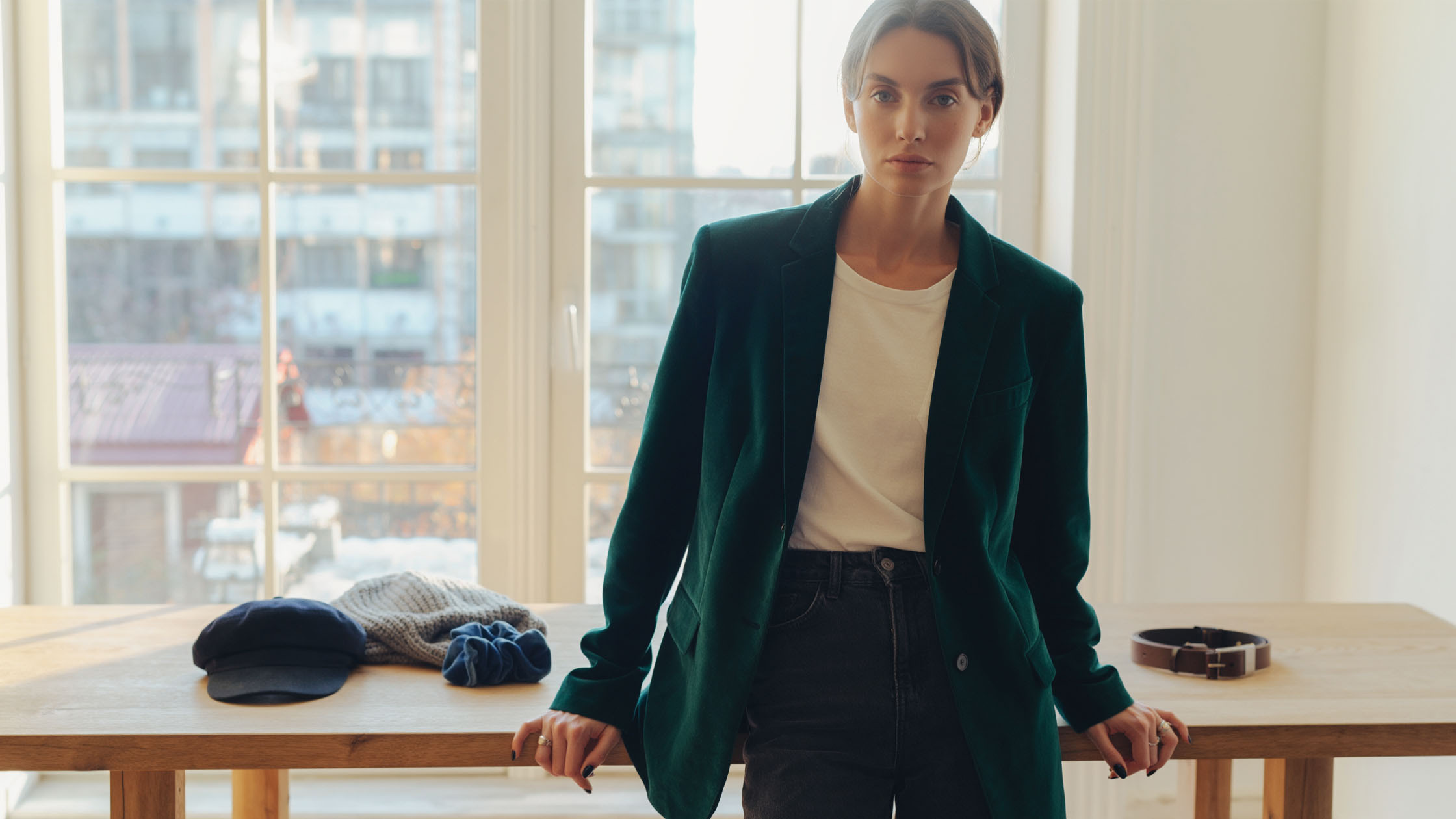
Cotton velvet vs. synthetic velvet – why is a natural composition the key to everyday comfort?
Choosing the right fabric is the foundation of a successful tailoring project, especially when you plan to sew clothes intended for regular use, not just for grand outings. In 2026, consumer material awareness is at an all-time high, which is why it's so important to understand the fundamental differences between noble natural fibre and its synthetic substitutes. The decision to buy a high-quality material, such as cotton velvet, translates directly into the durability of the sewn wardrobe and the comfort of wearing it in various weather conditions.
Breathability and thermoregulation – the advantage of pure cotton over polyester
Natural cotton fibers have a unique ability to breathe, which is a feature unattainable for synthetic counterparts made of polyester. When you wear clothing made of cotton velvet, your skin can breathe freely, which prevents excessive sweating even during an intense day at the office or running around the city. Polyester creates a tight barrier that traps moisture against the body, creating an unpleasant sauna effect, especially in heated rooms in winter or during warmer spring days. The cotton base makes this material perfectly regulate body temperature, providing warmth on cold mornings, but not causing overheating during the day. This thermoregulatory property makes it an ideal candidate for year-round clothing, stripping it of a patch of fabric reserved exclusively for winter evenings. An investment in a natural composition is an investment in hygiene and comfort of use, which even the best-looking synthetics will not provide.
Nobility, fleece and depth of color – how to recognize premium material
The visual difference between cotton velvet and synthetic velvet is noticeable at first glance for a skilled observer and lover of quality. Natural cotton fleece absorbs light in a specific, soft way, which gives the colors extraordinary depth and saturation, making black pitch black, and navy blue or bottle green gain a three-dimensional character. Synthetic fibers tend to have an unnatural, plastic sheen that flattens the color and makes the garment look cheap, regardless of the tailoring craftsmanship put into its sewing. When you touch cotton velvet, you feel meatiness and a slight coolness, while synthetics can be slippery and unpleasantly creaking under your fingers. This nobility of the finish makes even a jacket or skirt simple in form gain a luxurious character that defends itself in everyday outfits, without looking like a carnival costume. It is this subtle matt combined with dense fleece that defines elegance in a modern edition.
Is cotton velvet difficult to maintain? We debunk myths
Many people give up sewing everyday clothes from velvet for fear of its alleged delicacy and difficulty in keeping it clean. It is a myth that has grown up around historical silk fabrics, but modern cotton velvet is a surprisingly durable and graceful material to use, if we treat it with due attention. Cotton fibers are inherently strong and resistant to stretching, and the dense weave of the fleece makes fine dirt often linger on the surface and can be easily removed with a soft brush before it penetrates the structure of the material. Unlike delicate silks, the cotton version of velvet tolerates everyday friction better, which makes it suitable even for trousers or frequently worn jackets. Proper care, mainly consisting in avoiding aggressive spinning and ironing with an iron directly after the fleece, allows you to enjoy the impeccable appearance of the garment for many seasons. Treating this material as purely decorative is a mistake that deprives us of the opportunity to enjoy its softness on a daily basis.
By understanding the physical properties of cotton, we can consciously introduce this luxurious material into our daily clothing rotation.
Velvet jacket in smart casual style – how to wear it to the office and after hours?
A blazer made of velvet is one of the most versatile items of clothing, which is experiencing its renaissance in utility fashion in 2026. It has ceased to be associated only with a men's tuxedo or formal jacket, becoming the basis for stylizations combining professionalism with nonchalance. A properly selected cut and color allow you to create clothes that will work in your wardrobe from morning to evening.
Breaking elegance – combinations with denim and plain t-shirts
The easiest way to "disenchant" the evening character of velvet is to combine it with typically everyday elements, which creates an intriguing contrast of textures. A navy blue or burgundy cotton velvet jacket looks phenomenal in the company of classic, raw denim in a shade of indigo or washed blue. The matte, rough structure of the denim provides the perfect backdrop for a soft and shiny fleece, creating a balance perfect for informal business meetings or going to the cinema. Underneath, instead of a silk shirt or lace blouse, it is worth wearing a simple, cotton t-shirt in a neutral white, gray or black color. Such a procedure immediately reduces the formality of the outfit, giving it a modern, urban flair. The smooth cotton of the T-shirt calms down the rich structure of the jacket, making the whole look thoughtful but unforced. This combination is the quintessence of smart casual style, where comfort meets high quality materials.
Oversize cuts and boxy cuts fashionable in 2026
Modern fashion is moving away from heavily waisted, restricting the movements of jackets in favor of looser forms that provide freedom and air between the body and the fabric. When sewing a jacket made of cotton velvet, it is worth considering oversized cuts with a lowered shoulder line or simple, boxy cuts referring to the aesthetics of the 80s and 90s. Such a design makes the material work beautifully in motion, and the light refracts on it in an unobvious way, exposing its qualities. A looser cut also allows for free layering of clothes, which is invaluable on colder days when we want to wear a thin turtleneck or merino wool sweater under the jacket. The boxy velvet jacket goes well with narrow bottoms, creating a modern silhouette based on the play of proportions. By choosing such a cut, we give the fabric a modern context, breaking with its historical, somewhat rigid image.
Men's point of view – velvet blazer in outfits without a tie
Velvet in men's fashion has also come a long way from cigar smokers to modern office buildings and cafes. Men are more and more willing to reach for soft cotton velvet blazers, treating them as a more comfortable alternative to stiff wool jackets. The key to success is to ditch the tie and formal shirt in favor of thin turtlenecks, v-neck sweaters, or even high-quality longsleeves. Such styling is elegant, but devoid of pomp, which fits perfectly into the looser dress code in force in many creative industries. Colors such as bottle green, deep brown or classic navy blue are a safe and stylish choice. A velvet blazer worn with chinos or dark jeans is proof that a man knows fashion and can play with convention, while appreciating comfort and materials that are pleasant to the touch.
However, a blazer is not the only option, as velvet is also perfect for the lower parts of the wardrobe.
Cotton velvet trousers – a comfortable and stylish alternative to jeans
Trousers made of velvet are a proposition for people who are looking for variety in their wardrobe and want to take a break from the ubiquitous denim, without giving up comfort. Cotton velvet is a material that is extremely pleasant in contact with the skin, which makes it an ideal choice for the colder months. The right choice of cut will make these pants a favorite element of everyday sets.
Wide-leg cuts and cigarillos – what to choose for your figure?
Choosing the right cut of velvet trousers depends largely on your stylistic preferences and body type, but two styles stand out in the lead in the trends for 2026. High-waisted trousers with a wide leg of the palazzo or wide-leg type are an extremely effective option that allows the material to "flow" with every step. Such a cut is kind to the figure, lengthens the legs and perfectly masks possible flaws, and the weight of the velvet makes the legs fit impeccably. On the other hand, we have classic 7/8 length cigarillos, which in the velvet version take on Parisian chic. They are perfect for people who value minimalism and elegance in a more fitted version. Regardless of your choice, it's worth remembering that velvet adds a bit of volume to the figure due to its structure, so it's crucial to have a perfect fit at the waist and hips to maintain the right proportions.
Velvet in a sports edition – is it appropriate to combine it with sneakers?
Modern fashion blurs the boundaries between what is elegant and what is sporty, giving us the green light to combine velvet trousers with sports shoes. This combination is the quintessence of urban casualness and proof that luxury fabric can be worn casually. When choosing velvet trousers with a carrot cut or looser joggers (but finished with a traditional belt, not an elastic band), we can confidently wear white, minimalist sneakers or fashionable dad shoes. Such a stylistic contrast takes away the seriousness of velvet and makes it an element of clothing suitable for shopping, walking the dog or coffee with friends. It is important that the top of the outfit is consistent with this sporty spirit – an oversized sweatshirt, a denim jacket or a simple parka will work here. This bold approach to fashion allows you to enjoy your favorite fabric without having to wait for a special occasion.
However, if sewing an entire piece of clothing seems too much of a challenge, it is worth starting with smaller forms.
Stylish accessories from leftover material – projects for beginners and the idea of zero waste
Sewing from velvet generates clippings, which, due to the price and quality of the material, are a pity to throw away. The use of leftover cotton velvet is a great way to implement the idea of zero waste and a great workout for people who are just getting used to this fabric. Small designs allow you to feel the specificity of the material without the risk of spoiling a large amount of precious fabric.
Elegant headbands, bows and scrunchie elastics safe for hair
Hair accessories made of natural velvet are not only a beautiful accessory, but also a tribute to the health of our hair. Cotton velvet is delicate and does not cause static or mechanical damage to the strands, which often happens with the use of cheap, synthetic elastic bands. Sewing a voluminous scrunchie elastic is a project that takes no more than 30 minutes, and the effect is delightful – the fleshy material wrinkles beautifully and is a visible decorative element. Equally effective are wide, ruffled headbands or large bows attached to cufflinks, which can turn an ordinary ponytail into a hairstyle straight from the catwalks. This is a great idea to use long, narrow strips of fabric that remain after cutting out trousers or sleeves.
Pouch bags and minimalist clutches for everyday use
The softness of velvet makes it an ideal raw material for bags with a loose, unstiffened structure, such as fashionable "pouch bags" or drawstring bags. These types of accessories are extremely pleasant to the touch and add a cozy character to the styling. Even a small piece of fabric is enough to sew a minimalist clutch with a zipper, which will serve as a cosmetic bag for a handbag or a stand-alone handbag for an evening out. Velvet works beautifully with metal elements such as gold chains or decorative beagles, which allows you to create an accessory that looks very expensive. Sewing handbags is also a great opportunity to test how the machine handles several layers of thicker material, which is a valuable lesson before starting to sew clothes.
Velvet details – collars and cuffs refreshing an old wardrobe
You don't have to sew an entire garment from scratch to bring velvet to your wardrobe. Using this material to create detachable collars or cuffs is a brilliant way to refresh an old sweater, a simple dress or a classic shirt. A velvet collar of the "bebe" type or sharply ended in the style of the 70s will give a completely new character to an already equipped wardrobe. You can also trim buttons with velvet, creating consistent details that will increase the aesthetic value of a simple jacket or coat. These are projects that require precision, but give great satisfaction and allow for creative use of even the smallest scraps of material, in accordance with the spirit of sustainable fashion.
However, in order for the effects of our work to be delightful, it is necessary to master the technical aspects of working with this demanding material.
The art of sewing velvet – a technical necessity for a home seamstress
Cotton velvet, despite its numerous advantages, is a material that requires some technical knowledge and patience from the seamstress. Its specific, three-dimensional structure forces the use of different techniques than when sewing flat cotton fabrics. Understanding a few key rules will avoid frustration and material damage, guaranteeing a professional look of the finished product.
The direction of the hair matters – the rules of cutting for depth of color
The most important rule, which should not be ignored under any circumstances when working with velvet, is to watch the direction of the hair, the so-called fleece. Running your hand over the fabric along the lace, you will feel resistance (against the hair) or smoothness (with the hair). To obtain a deep, saturated color, the velvet should be cut "against the hair", i.e. so that when you run your hand from top to bottom over the finished garment, the hairs resist. If we cut out elements "with a pile", the color will seem lighter, and often even faded and shinier. It is absolutely crucial that all the elements of the pattern – fronts, backs, sleeves – are arranged in the same direction. A mistake at this stage is irreversible and will result in individual parts of the garment looking as if they were made of two different shades of material.
Selection of needles, threads and machine settings for working with dense coats
Velvet sewing requires proper machine armament to avoid the layers of fabric moving relative to each other, which is a common problem with fleece fabrics. Standard universal needles may turn out to be too blunt, so it is worth reaching for sharp Microtex needles or thin universal needles with a thickness of 70 or 80, which will smoothly pierce the dense structure of the base. The threads should be polyester, of good quality, so that they do not break during work. The key piece of equipment is a walking or Teflon foot, which makes it easy to move the material evenly. If you do not have such a foot, it is necessary to thickly basting or fasten with pins perpendicular to the seam every few centimeters. It is also worth slightly reducing the tension of the thread and lengthening the stitch so that the seam does not pull on the fleshy material.
Crease-free ironing – the role of steam and soft substrate
Traditional ironing, which involves pressing the iron against the material, is deadly for velvet because it permanently flattens the fleece, creating unsightly, shiny stains that cannot be removed. Iron the velvet only with a large amount of steam, holding the iron in the air just above the fabric, or iron it from the left side. An indispensable accessory is a soft surface – professionals use special brushes to iron velvet, but a thick, fluffy terry towel will work perfectly at home. Put the velvet fleece in a towel and iron the left side – thanks to this, the hairs enter the towel loops and do not crush. You should never iron the seams "flat" with a lot of force; Instead, we use steam and gently pat the seams with our fingers or a wooden roller.
Once you've sewn your dream garment, the final challenge is to keep it in top condition.
Care and storage of cotton velvet clothing
Clothing made of cotton velvet can last for years, retaining its original charm, provided that we take proper care of it. Natural fibers require slightly different care than synthetics, but the care routine does not have to be complicated or burdensome at all. The right habits will extend the life of your clothes and avoid costly laundry mishaps.
Water or dry cleaning – how to safely refresh natural fleece?
Most fabric manufacturers recommend dry cleaning velvet, which is the safest option, especially for jackets and coats that have stiffening inserts and linings. However, simple forms such as trousers or unlined skirts can often be washed at home, as long as we are extremely careful. Always perform a test on a sample of the material. If you decide to wash with water, do it by hand in lukewarm water with the addition of a gentle detergent for washing wool or silk. The velvet must not be rubbed, twisted or spun under any circumstances, as this will break the bristles. After gently rinsing, drain the excess water by wrapping the garment in a thick towel, and then dry it flat. We avoid tumble dryers, which are the absolute enemy of the velvet structure.
Ways to "push" elbows and creases – regeneration of the material structure
When worn, especially in areas such as the elbows or buttocks, the velvet fleece can knead, which is a natural process for fabrics with a coat. To restore the material to its original fluffiness, steam is your best friend. Hanging clothes in the bathroom during a hot bath is often enough for the steam to straighten the fibers and lift the fleece. You can also use a steamer, directing the stream of steam from a distance of several centimeters to the left side of the material. If the hairs are firmly pinched, you can gently comb them with a soft clothes brush in the opposite direction to the hair and then steam them. Velvet clothing should hang loosely in the closet so that it is not squeezed by other clothes, which will prevent permanent creases.