- today
- label News
- favorite 0 Likes
- remove_red_eye 20592 Visits
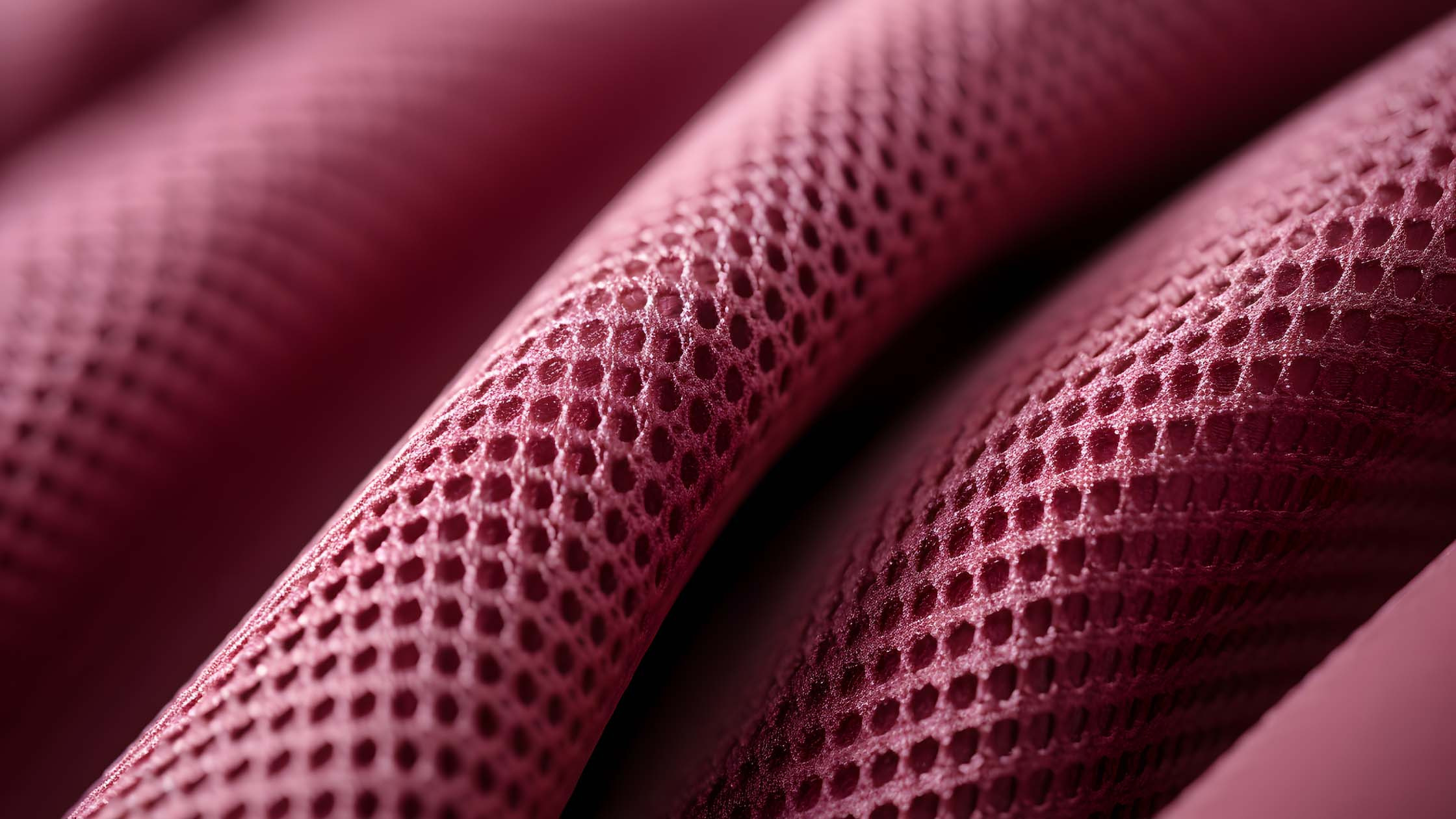
What is polyester? Brief definition and characteristics of the material
Polyester is a synthetic fiber that has revolutionized the apparel industry with its versatility and durability. The key to understanding its potential is to be aware that polyester is not one, but a whole family of materials with diverse properties that depend on the way the fibers are weaved and finished. Thanks to modern production technologies, today's polyester fabrics can perfectly imitate natural materials such as silk, wool or cotton, while offering additional benefits. Your idea of polyester as a stiff and unpleasant fabric from the past is no longer valid. Modern polyesters are soft, flowing, breathable and extremely comfortable.
Polyester is not equal to polyester: Discover its versatile face in fashion
The variety of polyester fabrics results directly from their production technology. The density of the weave, the thickness of the fibers and the finishing processes determine whether the material will be light and airy like chiffon, or thick and structural like gabardine. Manufacturers can modify the fibers to give them specific characteristics, such as increased elasticity, crease resistance or waterproof properties. It is this plasticity that makes polyester so valued by designers. You can sew almost anything from it, from delicate underwear, through elegant evening dresses, to durable coats and sportswear. Understanding this diversity is the first step to consciously choosing a fabric that will perfectly fit the character of your tailoring project.
What are the advantages and disadvantages of polyester clothes?
The main advantage of polyester is its exceptional strength and resistance to abrasion and tensile. Polyester clothes do not wrinkle as easily as those made of natural fibers and retain their shape and color even after many washes. They are also resistant to sunlight and most chemicals, and are not susceptible to moth or mold attack. The disadvantages include lower hygroscopicity compared to cotton or linen, which means that they absorb moisture less well. In older types of polyester, this could lead to less thermal comfort. However, modern polyester fabrics, thanks to special weaves and microfibers, have significantly improved air circulation. Polyester can also become static, but this problem can be easily eliminated by using rinse aids with antistatic properties.
Which polyester for a dress? Fabrics ideal for airy and elegant outfits
Choosing the right polyester fabric for a dress depends on the cut and the occasion. Thanks to the variety of materials available, you can create both a light summer outfit and a refined evening dress. The key is to match the fabric's properties, such as thickness, texture, and the way it lays, to your vision.
Polyester chiffon: Lightweight and transparent
Chiffon is an extremely light, delicate and partially transparent fabric, which is perfect for airy, summer dresses, layered skirts or decorative sleeves. Its flowing structure works beautifully in motion, adding lightness and ethereality to the silhouette. Polyester chiffon is much more durable and easier to care for than its silk counterpart. It is perfect for projects that require subtlety and romance. Remember that due to its transparency, chiffon dresses often require a lining, for which you can also choose a thin, pleasant to the touch polyester or viscose fabric.
Polyester Crepe: Matte Finish & Elegance
Crepe is characterized by a grainy, slightly rough texture and a matte finish. It is a flowing fabric, but at the same time more fleshy and less transparent than chiffon. This makes it perfect for elegant cocktail dresses, formal dresses and work outfits. Crepe lays beautifully, subtly flows around the silhouette and is very resistant to creases, making it an ideal choice for travel. It is available in various weights, from lighter, ideal for dresses, to heavier ones, from which you can sew trousers or jackets. Its versatility and noble appearance make it one of the most popular materials for elegant clothing.
Polyester Satin: Shine and Luxurious Look
Satin is a fabric with a smooth, shiny surface on one side and matte on the other. Its characteristic shine makes it synonymous with luxury and elegance. Polyester satin is an excellent choice for evening dresses, ball gowns and outfits for special occasions. It is a flowing material that beautifully emphasizes the strengths of the figure. Unlike silk satin, it is much more resistant to puffs and stains, as well as easier to sew and care for. By choosing satin for your project, you get a spectacular visual effect while maintaining practical utility values, which is crucial for wearing comfort.
Polyester fabrics for trousers and skirts: Durability and comfort
Trousers and skirts are items of clothing that require fabrics with increased friction and tensile strength. Polyester, thanks to its durability and resistance to deformation, is an excellent choice. A properly selected type of fabric will ensure not only comfort, but also an impeccable look throughout the day.
Polyester Gabardine: Classic Elegance and Structure
Gabardine is a densely woven material with a clear, twill weave, which gives it a characteristic texture and high strength. It is a relatively stiff fabric that holds its form perfectly, so it is ideal for elegant trousers with a crease, cigarillos, pencil skirts and work suits. Polyester gabardine is extremely wrinkle-resistant and easy to care for. It provides a professional and neat look all day long, which is especially important in business fashion. Its compact structure makes clothes made of it durable and will serve for many seasons, retaining their original shape.
Polyester with Elastane: Comfort and Fit
The addition of elastane to polyester fibers gives the fabric elasticity, which significantly increases the comfort of wearing. Blends of this type are the perfect choice for fitted trousers, leggings or skirts that are supposed to emphasize the figure without restricting movement. The fabric works beautifully with the body, returning to its original shape and preventing the material from pushing out on the knees or buttocks. This solution combines the durability and ease of care of polyester with the convenience of flexibility. It is an excellent choice for people who value both aesthetics and functionality in their everyday wardrobe.
How to recognize high-quality polyester? Practical tips before buying
The quality of the polyester fabric is crucial for the final appearance and durability of the garment. There are materials of very different standards available on the market, so it is worth knowing what to look for in order to choose a product that will meet your expectations and provide comfort of wearing.
Pay attention to the density of the weave and the weight
High-quality polyester is characterized by a dense and even weave. Look at the fabric against the light. If you see unevenness, clearances, or loose threads, it may indicate poor quality. Weight, i.e. the weight of the material per square meter, is also an important indicator. Heavier fabrics are usually more durable and less transparent. Of course, the weight should be adjusted to the design. A delicate dress will require a lower weight than elegant trousers, but in both cases the weave should be compact and solid, which proves the care of the material.
Check the softness and the way the fabric is laid
Good polyester is pleasant to the touch. Run your hand over the material. It should be smooth, without feeling rough or artificially slippery. Low-quality fabrics are often stiff and unpleasant to the skin. Also pay attention to how the material is arranged. Grab a piece of fabric and watch it fall. High-quality polyesters, such as crepe or satin, should create soft, flowing folds. Avoid materials that create sharp, paper creases. This indicates better quality of fibers and a more advanced finishing process, which will translate into comfort and appearance of the finished garment.
Related Products
Jacquard taffeta in various colors
- On sale!
- -20%