- today
- label News
- favorite 2 Likes
- remove_red_eye 19501 Visits
What is decatization and why is it crucial in tailoring?
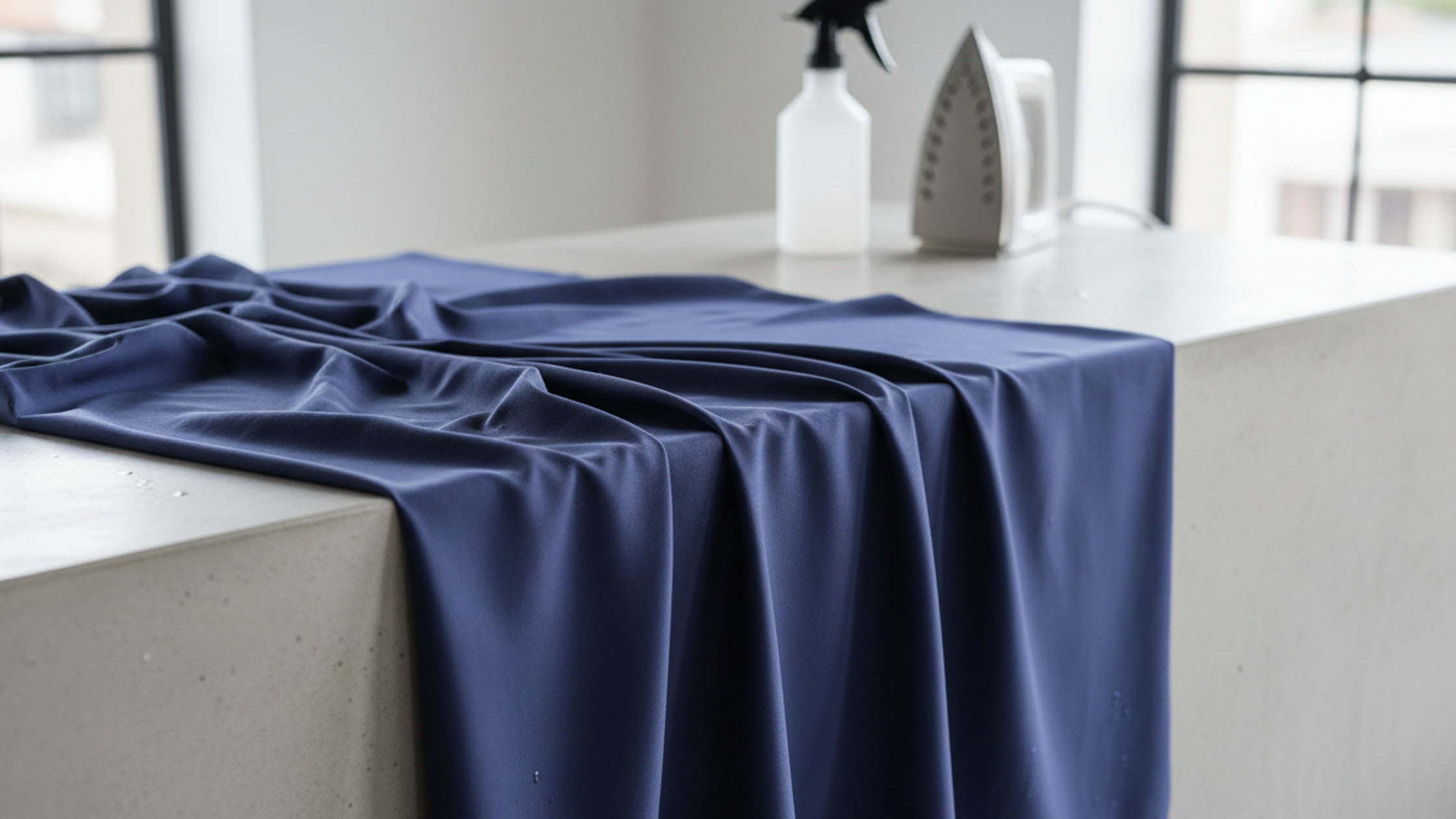
Decantization is the process of deliberately subjecting a fabric to water and temperature before it is cut and sewn. The goal is to induce maximum fiber shrinkage under controlled conditions so that the finished garment does not change its size or cut after the first wash. This is a fundamental stage of material preparation, which testifies to professionalism and care for the final quality of the tailoring project.
What exactly is the process of decayation?
Decantization, also known as fabric hardening, is nothing more than a form of first, controlled washing. This process is designed to stabilize the dimensions of the material. Natural and artificial fibers of natural origin, such as cotton, linen or viscose, tend to shrink under the influence of moisture and heat. Decantization initiates this process before cutting, so that any changes in the structure of the fabric occur at the very beginning. This ensures that the precisely cut elements retain their dimensions and the garment sewn from them will look exactly as you planned, even after many wash cycles.
Why is decatonization the foundation of a successful project?
Skipping the decatation stage is one of the most common mistakes made by beginner tailoring students and can lead to the complete destruction of the project. Imagine a perfectly fitting dress that becomes a few centimeters too short after the first wash, and the sleeves no longer reach the wrists. A decatonization is an insurance policy for your work, time, and money invested in the material. It provides predictability of fabric behavior, which is crucial for maintaining the cut, seam fit, and overall aesthetics of the finished garment. It's a step that separates amateur approach from craftsmanship precision.
Viscose – why does this material shrink more than others?
Viscose is a unique but also demanding material. Its tendency to shrink is much greater than that of many other fabrics, which is directly due to the structure of its fibers. Understanding this mechanism is crucial to work with it correctly and without fear.
Structure of viscose fibers and water absorption
Viscose, despite being an artificial fiber, is made from a natural raw material – wood cellulose. Its fibers have a porous structure that absorbs water with great ease, like a sponge. When the fibers soak up water, they swell and relax their structure. During drying, the water evaporates and the fibers shrink and tighten, often irregularly, leading to a reduction in the dimensions of the entire fabric. This process is a natural feature of viscose and it is responsible for its high shrinkage, reaching up to 10%.
Difference from synthetic fibers
Unlike viscose, fully synthetic fibers such as polyester or nylon are hydrophobic. This means that they practically do not absorb water. Their structure is smooth and compact, so water molecules do not penetrate into their interior. For this reason, polyester fabrics are dimensionally stable and do not shrink in the wash. Viscose, due to its cellulose origin, behaves more like natural fibers such as cotton or linen in this respect, however, its tendency to shrink is often even more pronounced, which makes decatonization an absolutely necessary stage of working with this material.
Consequences of sewing from undecided viscose: how to avoid a tailor's disaster?
Sewing from viscose without prior decay is a simple way to disappointment. The effects of this omission are most often revealed after the first wash of the finished garment, when it is too late for any corrections. This is a risk that a conscious seamstress never takes.
Permanent deformation of cut and proportions
The most severe consequence is an irreversible change in the size and shape of the garment. The dress may become shorter, the blouse tighter in circumference, and the sleeves may shrink, exposing the wrists. Since the shrinkage of viscose can vary along the warp and weft, the garment can deform unevenly, losing its original proportions. The cut you worked on will be irretrievably destroyed, and clothes that fit perfectly before washing will simply become too small and unwearable.
Misalignment of seams and wrinkling of the fabric
If you combine viscose with another dimensionally stable material in your design or use stiffeners that do not shrink in the wash, skipping decay leads to disaster. After washing, the viscose will shrink, while the other elements will remain unchanged. This will cause unsightly wrinkling of the material along the seams, stresses and deformations. The zipper may start to wavy and the pleat in the shirt may twist unsightly. Such defects can no longer be repaired, and all the precise work put into sewing is in vain.
Decantizing viscose in a washing machine – a proven step-by-step instruction
Mechanical decatonization in a washing machine is the most popular and effective method of preparing viscose. It allows you to simulate the conditions in which the finished garment will be washed later, which guarantees maximum stabilization of the dimensions of the material. The process is simple, but it requires you to stick to a few rules.
Choosing the right program and detergent
To properly decatise viscose, choose a program in the washing machine designed for delicate fabrics, silk or hand washing. It is crucial that the cycle is gentle and does not expose the delicate fibers to too much friction. Use a small amount of mild liquid detergent, preferably designed for delicate fabrics. Avoid powders that can leave a residue and strong bleaching or stain removers. The goal is only to wet and cause the fibers to shrink, not to intensively clean the material.
Protecting the fabric from damage
Before putting viscose in the drum of the washing machine, it is worth protecting its edges. If you have an overlock, you can hem the edges of the fabric to prevent the threads from fraying excessively during washing. Alternatively, you can put the fabric in a special laundry bag. This will reduce friction against the drum of the washing machine and minimize the risk of puffs. Remember not to overload the washing machine. The material should be free to move in the water, which will ensure that it gets wet and shrinks evenly over the entire surface.
How to dry viscose correctly to avoid creases and deformations?
The way viscose is dried after decatying is as important as the washing process itself. Improper drying can lead to permanent creases, stretching or deformation of the material, which will nullify all the effort put into its preparation. The key is to be gentle and avoid high temperatures.
Why is a tumble dryer the enemy of viscose?
Absolutely avoid drying viscose in a tumble dryer. The combination of high temperature and intense rotational motion is lethal for delicate cellulose fibers. This can lead to additional, uncontrolled shrinkage of the material, as well as the formation of permanent, hard-to-iron creases. The fibers may be weakened, and the fabric may lose its characteristic shine and flowing structure. A tumble dryer is the fastest way to destroy viscose material, so always choose air drying.
The best methods of air drying
After removing the material from the washing machine, gently squeeze out the excess water, do not wring it out or wring it out. The safest method is flat drying. Spread a thick towel on the floor and spread the fabric evenly over it, smoothing out any creases. This is an ideal solution especially for heavier viscose knitted fabrics that could stretch under their own weight. Lighter viscose fabrics can be hung on a stand dryer by hanging them through several bars so that the weight is distributed evenly. Avoid hanging on one string, which may cause deformation at the bend point.
Ironing decayed viscose – how to do it safely and effectively?
Ironing is the last stage of preparing viscose for cutting. It allows you to smooth out any creases caused during washing and drying, ensuring a perfectly smooth work surface. Like the previous steps, it requires delicacy and the right technique so as not to damage the sensitive fibers.
Setting the ideal temperature of the iron
Viscose is sensitive to high temperature, which can cause it to shine or even burn. Always set your iron to a low or medium temperature, usually marked on the dial as "silk" or two dots. Before you start ironing the entire fabric, do a test on a small, invisible piece to make sure the temperature is safe. Ironing with an iron that is too hot can irreparably damage the structure of the fibers, leaving shiny marks on the material.
Ironing technique for best results
For best results, iron your viscose while it's still slightly damp. This makes it easier to straighten any creases. Always iron the fabric on the left side to avoid the risk of shining the right side of the fabric. If the material is already completely dry, you can use the steam function in the iron or iron through a thin cotton cloth. Gently slide the iron over the fabric, avoiding holding it in one place for too long. Once ironed, allow the material flat to cool completely before folding or starting to slice.
Related Products