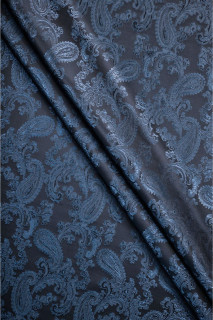
- today
- label Fabric
- favorite 0 Likes
- remove_red_eye 26743 Visits
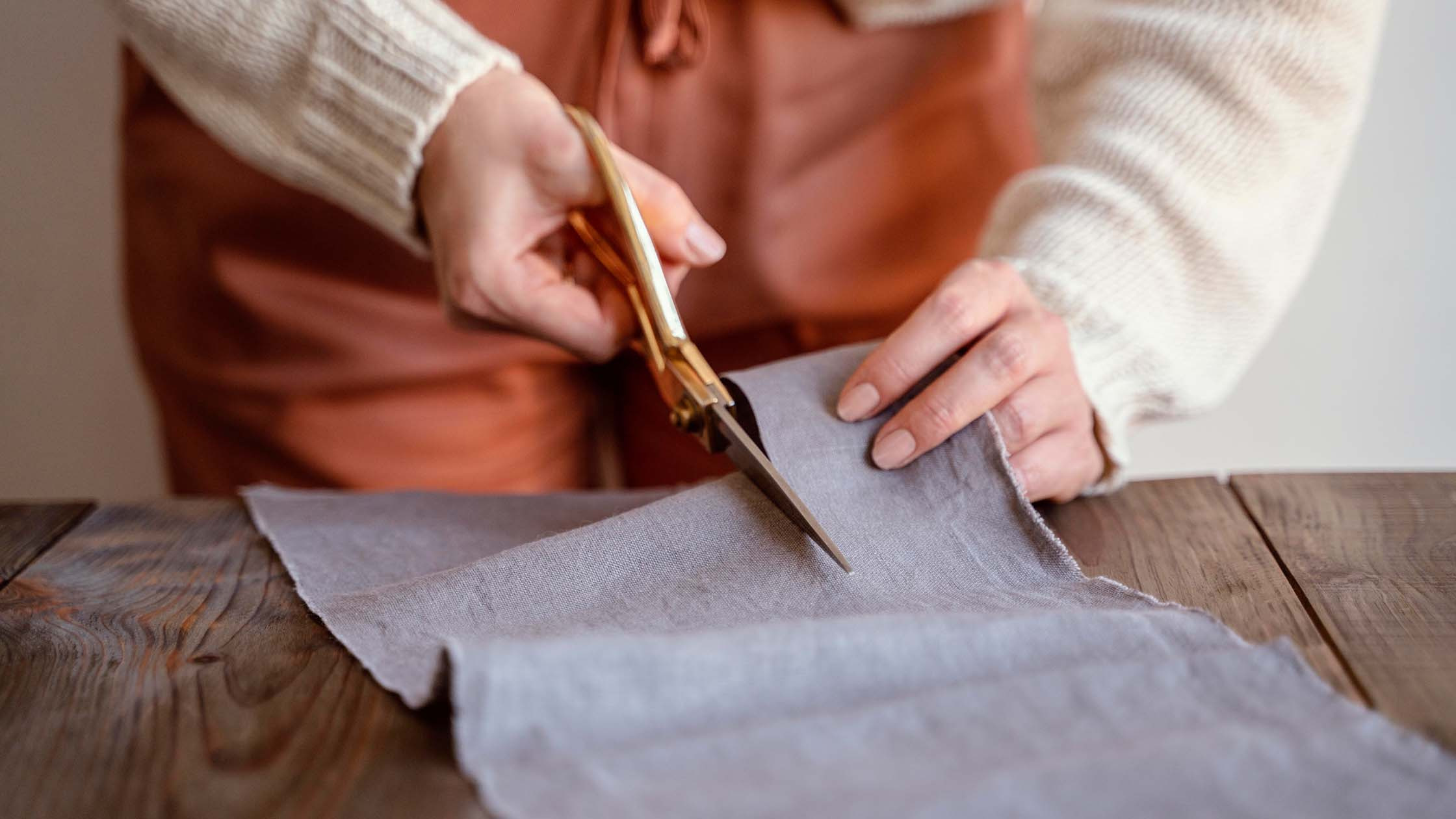
Protecting Investments in Expensive Materials
Luxurious fabrics are delicate and require special care. A well-chosen lining acts as a protective barrier that protects the outer material from the inside. It protects it from friction, stress generated during wear and direct contact with the body, which minimizes the risk of mechanical damage and dirt. In the case of a woolen coat or silk dress, this is a key element in extending the life of the garment, allowing it to be enjoyed for many seasons without losing its original form and quality. It's a conscious decision that secures your investment.
Emphasizing the unique properties of the fabric
Each luxury fabric has its own unique features. Silk impresses with its flowing structure and shine, and cashmere with its incomparable softness. The wrong lining can completely nullify these advantages. Too stiff will destroy the fluidity of silk, and made of synthetic fibers will take away the wool's natural ability to thermoregulate. The perfectly fitted lining works with the outer fabric, emphasizing its character. The light silk lining will allow the dress to flow beautifully around the silhouette, and the smooth viscose will ensure that the wool jacket will fit perfectly without wrinkles.
Ensuring the highest wearing comfort
Clothing, even the most beautiful, loses its value if it is uncomfortable. Fine linings made of natural or artificial fibers of cellulose origin, such as silk, viscose or cupro, are a guarantee of comfort. They provide excellent air circulation, wick away moisture and are pleasant to the touch. This is especially important in the case of woolen fabrics, which for some people can be irritating in direct contact with the skin. The smooth, breathable inner layer eliminates this problem, making wearing the outfit a pure pleasure.
Types of linings: An overview of materials worthy of your project
The market offers a wide selection of lining materials, but in premium tailoring, the choice is narrowed down to a few proven options. When deciding on a noble outer fabric, you need to choose linings that will match its quality, aesthetics and functionality. Focusing on materials with similar properties is key to achieving a professional and luxurious end result.
Silk: The king of linings
Silk lining is the most luxurious choice, perfectly complimenting top-of-the-line fabrics. It is extremely smooth, light and perfectly breathable. Its natural shine adds a noble finish to the interior of the garment. It works best in combination with silk, chiffon or delicate suit wools. The use of silk as a lining for the silk creation ensures that both layers work in harmony, maintaining the fluidity and flowing character of the material. Despite the higher price, it is an investment in unparalleled comfort and perfect appearance.
Viscose and Cupro: A breathable alternative
Viscose and its nobler variety, cupro, are artificial fibers of natural origin that are an excellent alternative to silk. They are smooth, antistatic and have great hygroscopic properties, which means they absorb moisture well and allow the skin to breathe. Viscose linings are extremely versatile and work well in combination with wool, cashmere, as well as thicker silks. Cupro, often referred to as rayon, is even smoother and more durable than standard viscose, making it an ideal choice for coats and jackets.
Bemberg: Luxury and durability
Bemberg is the trade name for the high-quality cupro lining, valued by the best tailoring studios in the world. It is characterized by a silky grip, exceptional smoothness and durability. It is antistatic and perfectly wicks away moisture, providing thermal comfort at any time of the year. It's the number one choice for luxury men's clothing like suits and blazers, but it's just as great for women's wool and cashmere coats. Its stable structure helps to preserve the form of the garment for many years.
The perfect lining for silk: How to keep it flowing?
Silk is a material whose greatest asset is its fluidity and the way it moves with the body. Choosing a lining for a silk outfit is therefore a task that requires precision, because the wrong inner material can completely ruin this effect. The key is to choose a lining that will be as light and flowing as the outer fabric itself.
The Principle of Harmony: Silk for Silk
The safest and most luxurious option is to use a silk lining for the silk outerwear. Light varieties such as habotai, charmeuse or krepdeszyn will be perfect here. Thanks to this, both layers of material have a similar weight, flexibility and way of arrangement, which guarantees that they will not fight with each other. The dress or blouse will retain its natural, smooth movement, and the lining will not show through or create unsightly creases. This solution ensures consistency in both appearance and feel.
Lightweight viscose and cupro as a worthy replacement
If your budget or design requires an alternative, high-quality, lightweight viscose or cupro linings will be an excellent choice. You should look for versions with a georgette or satin weave, which best imitate the flowing character of silk. It is important that the weight of the lining is lower than or equal to the weight of silk. Before cutting, it is worth doing a test by putting both materials together and checking how they work together. Good quality viscose will not weigh down the silk and will ensure proper breathability and wearing comfort.
What to avoid when choosing a silk lining
Stiff and heavy materials such as acetate or standard polyester linings should be absolutely avoided. They will destroy the delicate structure of the silk, take away its lightness and make the clothes not fit well. In addition, polyester is airtight and electrified, which, in combination with natural silk, will create a very uncomfortable duo. Always remember that the lining is meant to support the main fabric, not compete with it. An investment in expensive silk deserves an equally noble finish from the inside.
What lining for wool and cashmere? Warmth, structure and comfort
Wool and cashmere are synonymous with warmth, elegance and durability. Used for sewing coats, jackets and skirts, they require a lining that will not only provide comfort, but also help maintain their form and structure. Choosing the right inner material is crucial for the functionality and durability of the garment.
The role of lining in mold construction
In the case of outerwear, such as coats or jackets, the lining plays an important structural role. It helps stabilize the form of the garment, prevents it from being pushed out and deformed, especially in areas such as elbows or buttocks. The smooth surface of the lining also makes it easy to put on and take off the garment, allowing it to glide freely over other layers of clothing. Stable but at the same time slippery materials such as high-quality viscose, Bemberg or cupro are best suited for this purpose.
Protection against irritating fibers
Although merino wool and cashmere are extremely soft, some types of wool can be irritating to sensitive skin. The high-quality lining creates a barrier between the body and the outer fabric, eliminating potential discomfort. This is absolutely necessary in the case of skirts, dresses or trousers. When choosing lining material for such projects, you should opt for natural or natural fibres that are hypoallergenic, smooth and pleasant to the touch, guaranteeing comfort all day long.
Best Lining Materials for Wool
Viscose and cupro linings work best for wool and cashmere outfits. They are breathable, which allows you to preserve the natural thermoregulatory properties of wool, and their smooth surface ensures perfect glide. In luxury projects, you can also consider using silk satin or twill, which will add an exclusive character to the interior of the clothes. Cheap polyester linings should be avoided, which will block the flow of air and make even the noblest coat lose its properties.
The most common mistakes when choosing a lining for expensive materials
Even an experienced seamstress can make a mistake that will reduce the quality of the final product. When working with luxury fabrics, where the stakes are high, it is worth knowing the most common pitfalls to consciously avoid them. A properly selected lining is a silent hero, but a poorly fitted one can become the main culprit of tailoring failure.
Ignoring thermal properties and breathability
The biggest mistake is to combine a noble, breathable fabric such as wool or silk with a cheap, synthetic polyester lining. Polyester creates an impermeable barrier that nullifies all the natural advantages of the outer material. The garment stops "breathing", which leads to thermal discomfort. Always choose linings with similar properties to the main fabric. If the outer material is breathable, the lining must also be so. Go for viscose, cupro or silk.
Weight and weight mismatch
The lining must be lighter or at most equal in weight to the outer fabric. Using a lining that is too heavy or stiff for a delicate, flowing fabric such as silk chiffon is a catastrophic mistake. It will weigh down the material, destroy its natural movement and make the whole thing look clumsy. Always check the weight of both materials. Put them together, see how they work together, how they get along. Weight harmony is absolutely crucial to achieving a professional result.
Skipping lining decatization
Many natural and man-made fibers, especially viscose and cotton, tend to shrink in the wash. Skipping the stage of decatizing the lining before cutting is a simple way to destroy the finished garment. If the lining shrinks after the first wash, and the outer fabric does not, the whole structure will be deformed, wrinkles and tensions will appear. Always decatize the linings in the same way you plan to take care of the finished creation later. This simple step will save you a lot of trouble and disappointment.
Related Products