- today
- label Fabric
- favorite 1 Likes
- remove_red_eye 39862 Visits
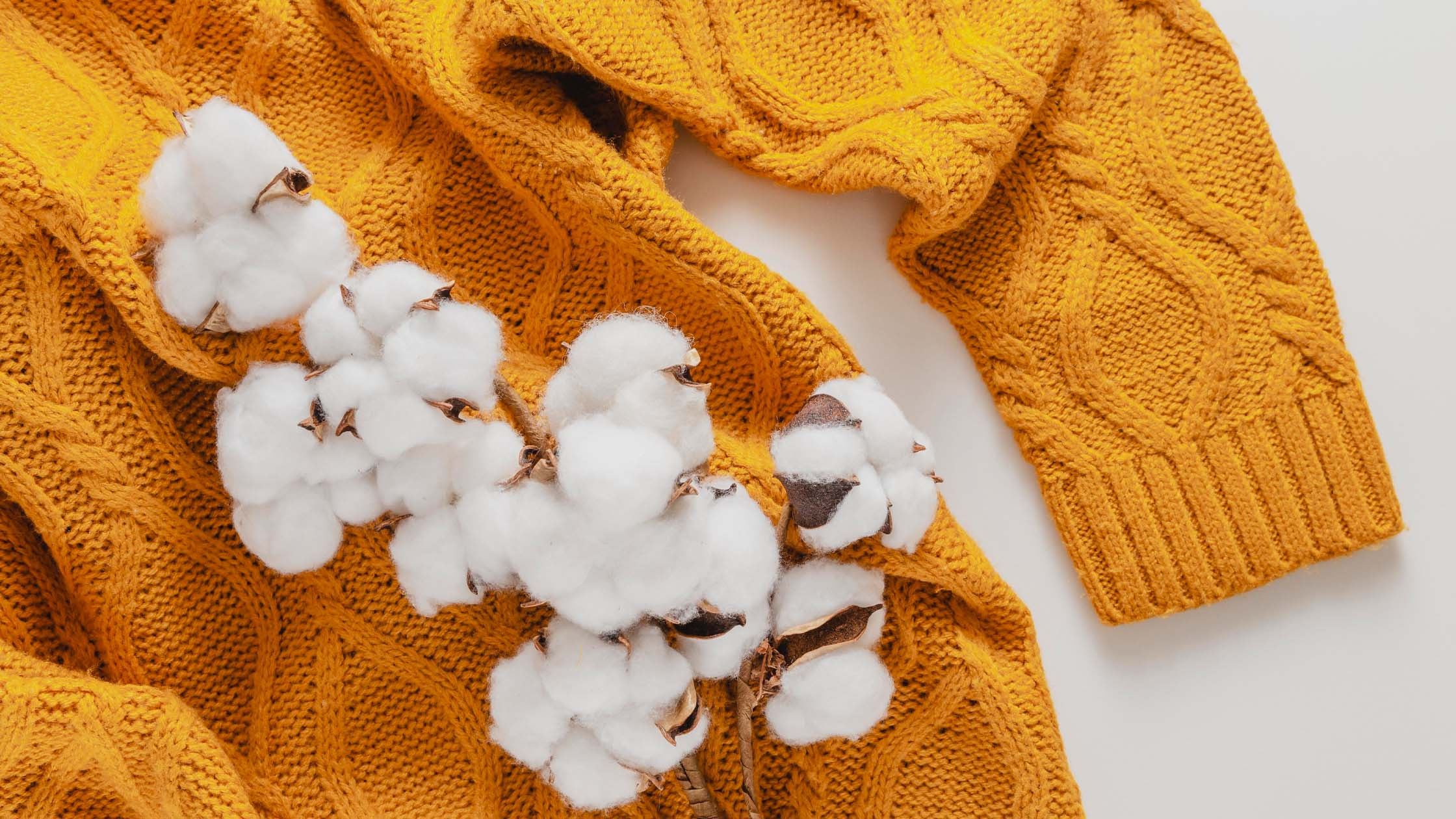
What is cotton and why has it conquered the world of fashion and textiles?
Cotton is a natural fibre of plant origin that has been the foundation of the clothing and textile industry for thousands of years. Its versatility, wearing comfort and versatility make it the most popular material in the world. It is from it that your favorite T-shirts, durable jeans and soft bedding in which you sleep are made. Understanding what cotton is is the first step to making conscious choices about fabrics for your projects.
A Brief History of Cotton – From Antiquity to Modern Factories
The history of cotton dates back at least 7000 years, and traces of it have been found in ancient Mexico, India, and Peru. For centuries, it was a symbol of luxury, available only to the richest. The Industrial Revolution in the eighteenth century completely changed its status, introducing mechanical spinning mills and looms that made mass production possible. As a result, cotton has become accessible to everyone, shaping fashion and lifestyles around the world.
Basic properties that make cotton irreplaceable
The secret of cotton's popularity lies in its unique properties. It is primarily hygroscopic, which means that it perfectly absorbs moisture and allows the skin to breathe. It is also hypoallergenic, which makes it safe for allergy sufferers and babies. In addition, it is tensile resistant and resistant to high temperatures during washing and ironing.
The process of creating cotton fabric – from seed to finished beam of material
The path from seed to finished fabric is long and fascinating. It all starts on a plantation, where cotton bushes release seed sacs surrounded by soft fiber. After harvesting, the fibers are separated from the seeds, cleaned and combed, and then twisted into yarn. This, in turn, goes to looms, where the weaving process produces a ready-made cotton fabric that you can buy in the store.
How to recognize good cotton? Key quality assessment criteria
Choosing the right cotton may seem complicated, but you just need to pay attention to a few key parameters. The quality of a fabric depends not only on its appearance, but above all on the weight, weave and origin of the fibers. Learning these criteria will allow you to make informed decisions and invest in materials that meet your expectations.
Weight and the purpose of the material – what does the weight of the fabric tell us?
Grammage, expressed in grams per square metre (g/m²), is one of the most important indicators of the quality and purpose of cotton. Lightweight fabrics, below 130 g/m², such as batiste, are ideal for summer blouses and dresses. Medium-weight materials (130-200 g/m²), such as poplin, are perfect for shirts. Heavier cottons, over 200 g/m², such as denim or denim, are intended for trousers, jackets and workwear.
The magic of weave – how do plain, twill and satin weave affect the look and feel?
Weave is the way in which the threads of the weft and warp intertwine with each other, which has a huge impact on the properties of the fabric. Plain weave is the simplest and most common, giving a smooth and durable surface. The twill weave creates distinctive, diagonal stripes, which increases the strength of the material. The satin weave makes the fabric extremely smooth, soft and has a subtle shine.
Certificates (Oeko-Tex, GOTS) – why should you pay attention to them?
Certificates are a guarantee of quality and safety. The Oeko-Tex 100 standard confirms that the fabric has been tested for harmful substances and is safe in contact with the skin. The GOTS (Global Organic Textile Standard) certificate is even more restrictive and proves that the cotton comes from organic farming, and the entire production process was environmentally friendly and socially responsible.
Types of cotton due to weave – a practical guide to names
Navigating the world of cotton fabrics becomes much simpler once you understand what's behind each name. Poplin, batiste, satin or denim are not different species of plants, but terms referring to the method of weaving, i.e. weave. It is he who decides about the final appearance, touch and purpose of the material.
Linen cotton: poplin, batiste and calico – lightness and breathability
Plain weave fabrics are densely woven, smooth and durable. Poplin is a classic, perfect for elegant shirts and dresses. Batiste is thinner and more translucent than it, which makes it a great choice for airy summer blouses or underwear. Calico, on the other hand, is a dense and crunchy fabric, valued for its durability and used mainly for the production of high-quality bedding.
Cotton with a satin weave: smoothness and elegance perfect for bedding and dresses
Cotton satin is made thanks to a satin weave, in which one side of the fabric is smooth and slightly shiny, and the other is matte. This technique makes the material extremely pleasant to the touch, fits beautifully and looks very elegant. That's why cotton satin is a popular choice for luxury bedding, evening dresses, nightgowns, and bathrobes.
Durable twill weave cotton: denim, denim and gabardine
The twill weave is characterized by visible, diagonal lines that provide the fabric with exceptional strength. The most famous example is denim (denim), a material used to make iconic trousers. Denim is its stronger variety, often used for workwear. Gabardine is densely woven, elegant and wrinkle-resistant, which is why coats and suits are sewn from it.
Premium cotton – meet the most luxurious and desirable varieties
Not all cotton is the same. There are varieties that, thanks to the unique growing conditions and the extraordinary length of the fibers, have gained the status of luxury products. They are synonymous with the highest quality, softness and durability, and clothes or home textiles sewn from them are an investment for years.
Egyptian cotton – the queen of cotton thanks to its extra-long fibres
Egyptian cotton is considered the best in the world. Grown in the Nile Delta, it is characterized by extremely long and thin fibers that allow it to create a very thin and at the same time strong and smooth yarn. Egyptian cotton fabrics are silky soft, extremely durable and perfectly absorb dyes, which ensures the depth and durability of colors.
Pima and Supima cotton – the American answer to the highest quality and softness
Pima cotton, grown mainly in Peru, Arizona and California, also belongs to the varieties with very long fibers (Extra Long Staple). It is very soft, resistant to pilling and extremely durable. Supima, on the other hand, is a registered trademark for Pima cotton grown exclusively in the USA, which must meet strict quality standards. Both are excellent alternatives to Egyptian cotton.
Organic cotton – a conscious choice for sensitive skin and the environment
Organic cotton is a choice for people who value health and ecology. It is grown without the use of pesticides and chemical fertilizers, and only natural dyes are used to dye it. This makes it extremely gentle and safe for sensitive skin, making it an ideal material for children's clothes and allergy wear.
Cotton with additives – when is it worth choosing a blend?
Pure cotton has many benefits, but in some applications, the addition of other fibers can significantly improve its properties. Admixtures allow for new features, such as greater elasticity, noble shine or better breathability. It is worth knowing when the blend will be a better choice than 100% cotton.
Cotton and silk – a combination of durability and luxurious shine
The combination of cotton and silk is a perfect duo that combines the best features of both fibers. Cotton with silk gains a subtle, luxurious shine and extraordinary smoothness, while maintaining the durability and breathability of cotton. Such a mixture is perfect for elegant blouses, airy dresses and scarves that fit beautifully and are pleasant to the skin.
Cotton and linen – the perfect duo for summer, breathable clothes
A blend of cotton and linen is the quintessence of summer. Linen adds a characteristic, slightly irregular texture to the fabric and enhances its cooling and breathable properties. Cotton, on the other hand, makes the material softer, wrinkles less and is easier to care for than pure linen. It is an excellent choice for summer trousers, jackets and dresses.
Cotton with elastane – the key to comfort and a perfect fit
The addition of a small amount of elastane (usually 2-5%) completely changes the properties of cotton. The fabric becomes stretchy, adapts better to the figure and does not restrict movement. It is also more resistant to creases. Cotton with elastane is a standard in the production of T-shirts, leggings, fitted dresses and skinny pants.
Which cotton for which project? Choose a fabric that suits your needs
Theoretical knowledge of cotton types is important, but its practical application is crucial. Choosing the right fabric is half the success of any tailoring project. The following tips will help you match the perfect material to your specific garment, ensuring comfort, durability and a beautiful look.
Material for a summer dress or blouse – what to look for?
Light and airy cotton fabrics will work best for summer clothing. Look for low-weight materials such as batiste, voile, or thin poplin. If you want elegance and beautiful styling, consider cotton satin or a blend of cotton with viscose or silk. Avoid thick and stiff fabrics that will not provide comfort on hot days.
The perfect cotton for a men's shirt – poplin, twill or oxford?
The choice of fabric for a men's shirt depends on its purpose. For elegant, business shirts, plain poplin will be the best. Twill, with a twill weave, is a bit thicker and meatier, it will be great for all-season shirts. Oxford, on the other hand, has a characteristic basket weave, is more sporty and perfect for casual shirts.
Cotton fabrics for bedding – satin, calico or flannel?
The choice of cotton bedding is a matter of personal preference. Cotton satin is smooth and cool to the touch, perfect for summer. Calico is matte and "crunchy", valued for its durability and breathability. Flannel, which is scratched cotton with a plain or twill weave, is extremely soft and warm, making it a great choice for winter nights.
Decorative cotton fabrics – how to use them in interior design?
Cotton is not only clothing, but also an excellent material for interior decoration. Its versatility allows you to create stylish and functional accessories that will warm up any room. With a wide range of weaves, weights and patterns, you can match cotton textiles to any style of arrangement.
Cotton for curtains and blinds – what weight to choose?
The choice of weight depends on the effect you want to achieve. Light and airy curtains can be sewn from voile or batiste. If you need curtains that gently filter out light, choose medium-weight canvas cotton. Thick drelich fabrics or special blackout fabrics with a cotton coating are best suited for complete darkening of the room.
Tablecloths and napkins – practical and stylish use of cotton
Cotton is an ideal material for table textiles. It is absorbent, which protects the table from stains, and resistant to frequent washing at high temperatures. For everyday tablecloths, plain linen cotton will work, and for special occasions, you can choose elegant jacquard cotton with an embossed pattern or a version with an admixture of linen.
Cotton upholstery fabrics – advantages and disadvantages in everyday use
Thick cotton with a twill or plain weave, often impregnated, can be used as an upholstery fabric for furniture. Its advantage is a natural look, a large color palette and a relatively low price. However, it should be remembered that it is less resistant to abrasion and dirt than synthetic upholstery fabrics, so it will work best on less frequently used furniture.
Advantages and disadvantages of cotton fabrics – an objective look
No material is perfect, and cotton, despite its many advantages, also has its weaknesses. An objective look at the pros and cons will allow you to make informed purchasing decisions and know what to expect from cotton clothes and textiles. This is also the key to their proper care.
Why do we love cotton? List of indisputable advantages
The main advantage of cotton is its naturalness and comfort of wearing. It is breathable, allows the skin to breathe and wicks moisture away perfectly. It is also hypoallergenic and does not irritate the skin. In addition, it is durable, resistant to high temperatures, easy to dye and relatively cheap to produce.
Potential challenges – crumpling, shrinkage and care
The biggest disadvantage of cotton is its susceptibility to creasing, especially in the case of thinner fabrics. It can also shrink during the first wash, so it is recommended to decate the fabric before sewing. Cotton takes a long time to dry and is prone to mold growth if stored in a humid environment.
Myths about cotton that are not worth believing in
One of the popular myths is that every 100% cotton is the same. As you already know, the quality depends on the length of the fibers, the weave and the finish. Another myth is the belief that cotton is not suitable for sports. Modern technologies make it possible to create sporty cotton fabrics with excellent moisture-wicking properties.
How to buy cotton online and stationary to avoid disappointments?
Buying fabrics, especially online, can be risky if you don't know what to look for. To avoid disappointment, it is worth arming yourself with knowledge that will allow you to accurately assess the quality of the material even without being able to touch it. This will ensure that your shopping is always successful.
How to assess the quality of fabric at a distance – what to look at in descriptions and photos?
When buying online, read product descriptions carefully. Check the weight, composition and care recommendations. Good stores provide this information. Pay attention to the photos – can you see the texture of the material on them? Is the color well rendered? Look for the opinions of other customers who often share practical information about the fabric they have purchased.
Egyptian cotton wholesale – tips for those buying larger quantities
If you plan to purchase larger quantities of material, for example for your studio, look for wholesale offers. For a premium purchase, like cotton, the Egyptian wholesaler offers better prices. Always ask for certificates of origin to ensure that you are buying an authentic product. Check minimum order quantities and negotiate delivery terms.
Material samples – why is it worth investing in them before a big purchase?
Ordering samples is the best way to avoid a costly mistake. A small piece of fabric will allow you to assess its actual color, thickness, softness and how it is arranged. You can also perform a washing test to check the shrinkage and color fastness. It's a small investment that gives you confidence and peace of mind before placing a large order.
Cotton care, or how to take care of clothes so that they last for years
Proper care is the key to the longevity of your cotton clothes and textiles. Although cotton is durable, following a few simple rules will allow you to enjoy its perfect look, color, and shape for many seasons. Each type of cotton may require slightly different treatment.
Washing and drying – key rules for preserving color and shape
White cotton can usually be washed at high temperatures, up to 90°C. Wash coloured fabrics at a maximum of 40-60°C to prevent fading. Always segregate your laundry by color. Avoid overloading the washing machine drum to prevent excessive creases. Unless otherwise stated in the label, most cotton items can be tumble dried at a low temperature.
Effective ironing of different types of cotton
It is best to iron cotton when it is still slightly damp. Use high temperature and steam function, which will make it much easier to straighten creases. Iron dark fabrics on the left side to avoid unsightly shine. Iron delicate cottons, such as batiste, through a thin protective cloth.
Stain removal of white and coloured cotton fabrics
Act fast. Fresh stains are much easier to remove. Use suitable stain removers designed for cotton, testing them first in an invisible area. For white fabrics, oxygen bleaches can be used. Avoid chlorine bleach, which can weaken the fibers and cause them to turn yellow.
Cotton – Frequently Asked Questions (FAQ)
The world of cotton is full of nuances that can raise questions. We have compiled answers to the most common ones to dispel your last doubts. This section is a pill of knowledge that will help you become a true expert in cotton fabrics.
What is the difference between mercerized cotton and regular cotton?
Mercerization is a chemical process that subjects yarn or cotton fabric to. It consists in acting on the fibers with a concentrated solution of sodium hydroxide. As a result, cotton becomes stronger, shinier, easier to dye and less prone to shrinkage. It looks like silk and is considered more noble.
What cotton is best for babies and allergy sufferers?
For the most delicate skin, certified organic cotton (GOTS) is the best choice. It is free of pesticides and harmful chemicals. It is also worth looking for fabrics with the Oeko-Tex Standard 100 certificate, which guarantees that the product is safe in contact with the skin. Choose soft and smooth weaves, such as interlock or calico.
Does thicker cotton always mean better quality?
Do not necessarily. The thickness (weight) of the fabric indicates its purpose, not its quality. A thin but made of long fibers of Egyptian cotton (e.g. batiste) will be of much higher quality than a thick fabric made of short, coarse fibers. Quality depends on the raw material, weave density and finishing processes, not just weight.
Related Products
- On sale!
- -20%