- today
- label Tips
- favorite 32 Likes
- remove_red_eye 30564 Visits
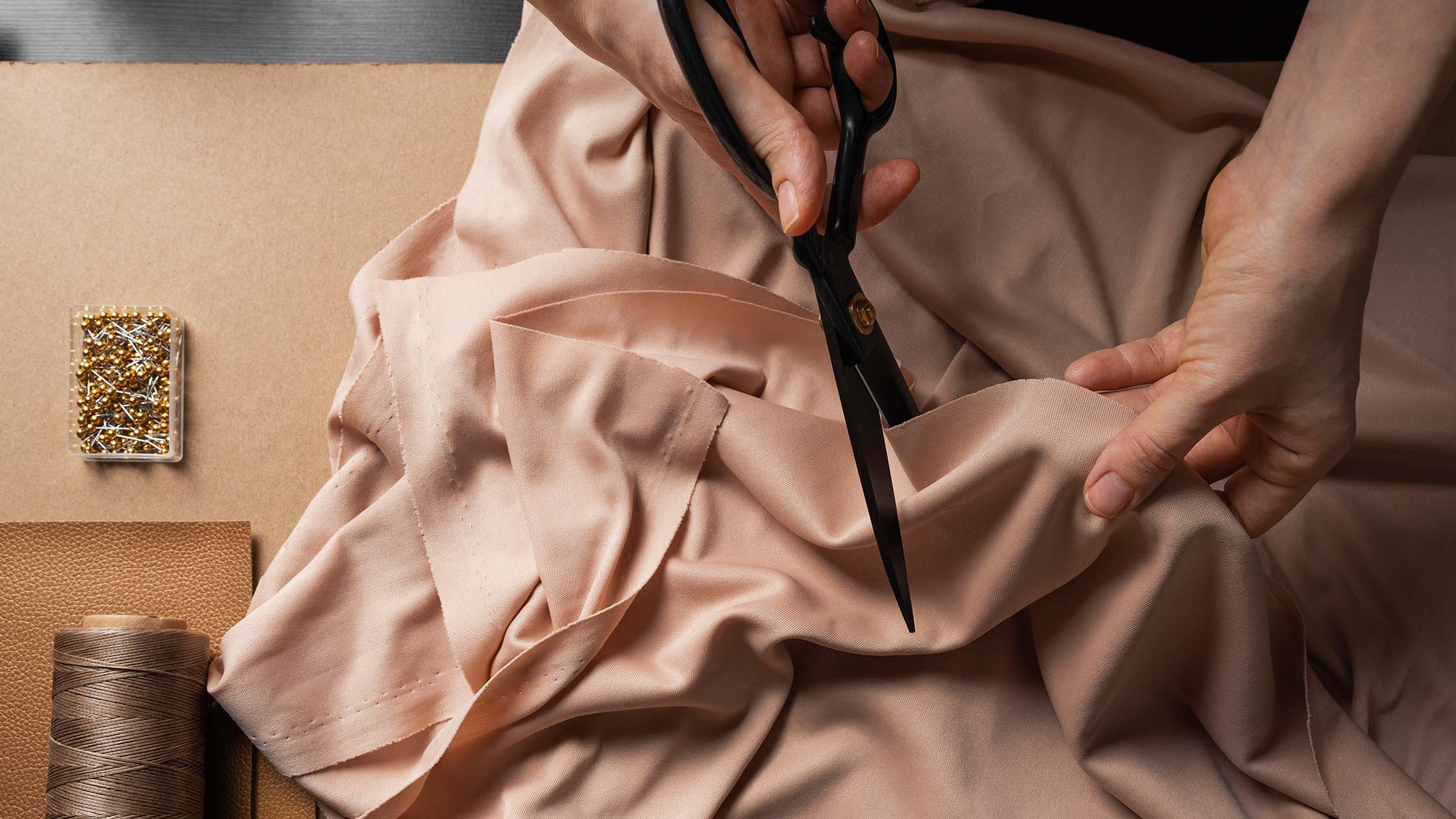
Why is it worth sewing from silk and how to overcome the fear of this fabric?
Silk sewing is an entry to the next level of tailoring craftsmanship. This luxurious fabric is associated with elegance and comfort, and clothes made of it are extremely pleasant to the skin and fit beautifully. However, many beginners like you are afraid of working with this material. The myth about its difficulty is common, but in reality it results from a lack of knowledge of several key rules. This step-by-step guide will show you that silk sewing is within your reach.
Breaking the myth of difficult fabric
The main cause of silk problems is its delicate and slippery structure. The fabric can escape from under the scissors, fray at the edges and wrinkle under the needle of the machine. However, these challenges do not mean that the material is impossible to master. All you need is the right preparation, the right tools and a little patience. Each of the problems has its own simple solution, which you will learn later in the article. Instead of seeing silk as an enemy, think of it as a material that requires understanding and delicacy.
Luxury and comfort at your fingertips
Imagine a self-sewn silk dress, shirt or scarf. It is not only a great satisfaction, but also the opportunity to create clothes that fit you perfectly, from the highest quality material. Silk is airy, hypoallergenic and beautifully reflects light, giving any styling a noble character. By learning to sew from silk, you open the door to the world of premium fashion. Investing time in learning this skill will pay off many times over in the form of unique and durable items of clothing.
Understanding the nature of the material as the key to success
Before you start sewing, take a moment to get to know your material. Touch it, see how it stacks up, how it reacts to bending. You'll notice that the silk is lightweight, flowing, and tends to shift. It is these features that make it require a different approach than stable cotton or knitwear. Understanding that its slipperiness is not a defect, but a natural property, changes the whole attitude. Your goal is not to fight the fabric, but to work with it using the right techniques.
Step 1: Proper preparation of the silk fabric before sewing
Material preparation is the foundation of a successful project. Skipping this step is one of the most common mistakes that leads to frustration and problems later in the sewing process. Properly prepared silk fabric will be more stable, easier to process and predictable in behavior. Taking the time to do this step will save you a lot of nerves and give your finished garment a professional look. It is an investment that always pays off.
Gentle decatation of the material
Decantization, i.e. subjecting the fabric to temperature and moisture before cutting, is absolutely crucial. Silk, like any natural fiber, can shrink after the first wash. Imagine spending hours sewing the perfect dress that becomes too small after washing. To avoid this, you need to prepare the material. The safest method is hand washing in lukewarm water with the addition of a mild silk washing liquid or baby shampoo. Avoid hard friction and twisting of the fabric.
Drying without risk of damage
The way silk is dried has a huge impact on its appearance and structure. Never dry silk in a tumble dryer or in full sun, as this can damage the delicate fibers and cause discoloration. After gently squeezing out the excess water in the towel, hang the fabric flat or on a wide, round hanger, away from direct heat sources. Let it dry naturally. Proper drying prevents the formation of hard-to-remove creases and deformation of the material.
Pre-ironing as a stabilization element
It is best to iron silk when it is still slightly damp. Set the iron to the lowest temperature dedicated to silk and always iron the fabric on the inside out. Using a dry, clean cotton cloth as a protective layer between the iron and the silk will further protect the fabric from shine and water stains. Ironing the material thoroughly before cutting will make it more stable and easier to cut precisely.
Choosing the perfect tools: which needles, threads and scissors to choose for silk?
Working with silk requires precision, and this is ensured by the right tools. Using blunt scissors, too thick needles or inappropriate threads is a simple way to destroy the fabric. Investing in a few specialized tailoring accessories is a small cost compared to the price of the material itself. Good tools will not only make your work easier, but also ensure a professional and aesthetic appearance of the seams and edges.
The importance of sharp cutting tools
Silk tends to fray and shift when cut. Therefore, very sharp tailor's scissors or a circular knife with a new blade are an absolute must. Blunt tools will tug and pull on the delicate fibers, leading to uneven edges and damage to the material. Before cutting, make sure that your scissors are designed for fabrics only. Using them for paper or other materials will quickly dull them. A circular knife in combination with a self-healing mat is an excellent solution that minimizes the movement of the fabric.
Needles dedicated to delicate fabrics
The choice of needle is critical. A needle that is too thick will leave visible holes in the silk and may pull individual threads, creating unsightly stripes. Use only thin, sharp needles to sew silk. The best choice is Microtex needles with a size of 60/8 or 70/10. They have a very sharp and slender tip that precisely passes through the densely woven fibers without damaging them. Be sure to put on a new needle before starting any new project.
Threads that work with the material
The threads should be matched to the lightness and delicacy of the silk. Thick polyester threads can overwhelm the fabric and cause it to wrinkle. The best choice will be high-quality, thin cotton threads that are soft and work well with natural fibers. Alternatives can be silk threads, which provide a luxurious finish, or very thin polyester threads from reputable manufacturers. The key is to choose threads that will not dominate the fabric, but will subtly connect with it.
Secrets to Precision Silk Cutting – Techniques That Prevent Slipping
Cutting is the moment when it is easiest to make a mistake. The slippery nature of silk makes it quite a challenge to keep it in place while moving the pattern and cutting. However, there are a few proven methods that will allow you to get perfectly tailored pieces. The key is to immobilize the fabric and act precisely.
Single layer cutting method
Although cutting several layers of material at the same time saves time, with silk, it is a straight path to disaster. The layers will surely shift, and the cut pieces will come in different shapes and sizes. Always cut silk in one layer. This means that the parts of the pattern that are normally cut on the folded fabric must be mirrored and cut separately. This takes more time, but guarantees the precision that is necessary to achieve a professional end result.
Using weights instead of pins
Traditional high heels can leave permanent holes in delicate silk or cause puffs. Instead of attaching a paper pattern to the fabric, use special tailoring weights. You can buy them or make them yourself, for example, from large metal pads. Spread the fabric on a flat surface, place the pattern elements on it and press them down with weights. This will keep the material in place and you will avoid the risk of damage to it.
Stabilization of the cutting substrate
To further prevent the silk from slipping, you can prepare the substrate. A large self-healing mat is ideal because its surface has a slight grip. If you don't have one, you can spread a large piece of cotton canvas or an old sheet on the table. The rough texture of the cotton will help to keep the silk in place while cutting. Avoid cutting on slippery, lacquered surfaces, which only exacerbate the problem of material shifting.
Key settings of the silk sewing machine: stitch, tension and foot
Your sewing machine can work perfectly with silk, provided you set it up properly. The default settings, ideal for cotton, for silk can cause wrinkling, pulling the fabric into the stitch plate and looping the thread. Taking a few minutes to adjust the machine is the key to getting smooth and even seams.
Choosing the right stitch length
Silk is a fabric with a dense weave, so a shorter stitch works best. A stitch that is too long may look unsightly and will not ensure sufficient durability of the seam. The optimal length of a straight stitch for sewing silk is about 2.0 mm. Such a length allows you to create a strong and at the same time discreet connection that will not deform the delicate structure of the material. Always do a test on a scrap of fabric to make sure the stitch looks good.
Thread tension adjustment
Proper thread tension is crucial to avoid wrinkling of the seam. For thin fabrics such as silk, it is often necessary to slightly reduce the tension of the upper thread. Too much tension will cause the seam to be tightened and not lie flat. Make a test stitch on a double-folded piece of silk. If the seam wrinkles the fabric, gradually reduce the tension until you get a perfectly smooth and flat joint.
Application of Upper Conveyor Foot
A standard foot can have trouble sliding slippery silk evenly, leading to layers shifting relative to each other. The ideal solution is to use a foot with top transport. This special foot has its own teeth that help move the top layer of material at the same rate as the bottom layer, transported by the machine teeth. Thanks to this, both layers are fed under the needle evenly, which eliminates the problem of wrinkling and sliding of the material.
French seams – the best way to professionally finish silk fabric
Finishing the edges in silk is extremely important, as this fabric has a high tendency to fray. Leaving rough edges inside the garment is unacceptable. The most elegant and professional finishing method is a French seam. Although its name sounds complicated, it is actually a simple technique that gives a beautiful and clean effect.
What is a French seam?
A French seam is a technique that involves closing the raw edge of the fabric inside the second seam. As a result, you get a clean finish on both the right and left side of the garment, with no visible, fraying threads. This is ideal for transparent and delicate fabrics such as silk, chiffon or organza, where a standard overlock finish could be too heavy and visible.
Sewing a French seam step by step
The French seam is made in two stages. First, fold the pieces left side together and sew them close to the edges, using a small margin per seam, about 0.5 cm. Then iron the stock, cut it in half and fold the fabric right sides together so that the first seam is exactly on the bend line. Iron the edge and make a second seam, slightly wider than the first, about 0.7 cm from the edge. In this way, the first, raw hem will be closed inside the second seam.
Advantages of using this technique
The main advantage of a French seam is its aesthetics. It provides an extremely clean and professional finish that enhances the quality of the entire project. It is also a very durable solution, as the double seam strengthens the joint, and the closure of the raw edges completely eliminates the problem of fraying the fabric, even after many washes. Clothes finished in this way are just as beautiful inside and out, which is the hallmark of high-quality tailoring.
Related Products