- today
- label Fabric
- favorite 3 Likes
- remove_red_eye 19735 Visits
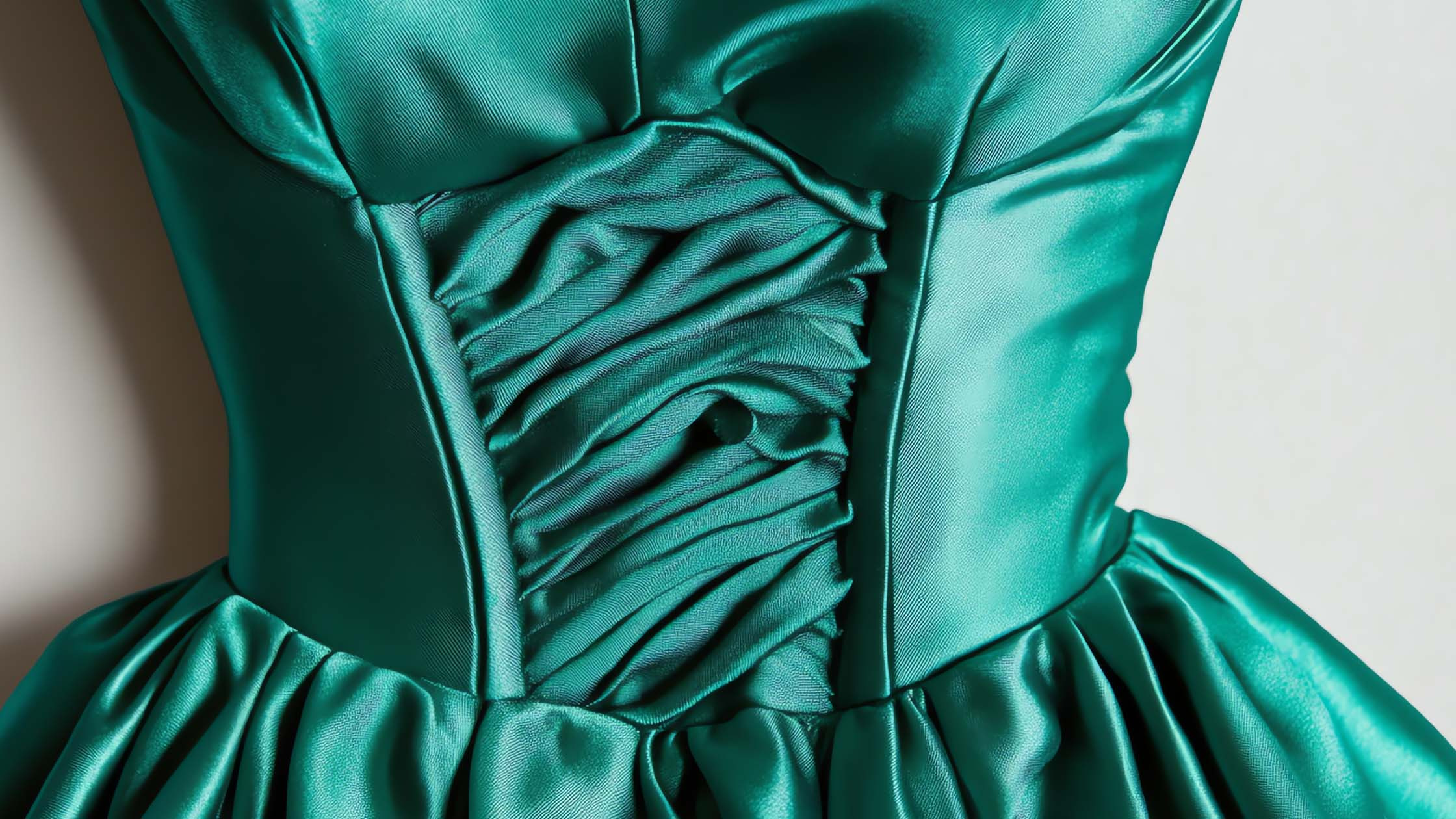
Why is satin the perfect material for an evening dress?
Choosing a fabric for an evening outfit is a decision that defines its character, appearance and wearing comfort. Satin has been one of the most popular materials for special occasions for years, and its popularity is not accidental. It is a fabric that combines a luxurious look with practical properties, responding to the needs of both experienced seamstresses and people looking for inspiration for a unique outfit.
Elegance and luxurious shine
The most characteristic feature of satin is its unique shine, obtained thanks to a special satin weave. It is he who makes the material beautifully reflect light, giving each outfit a noble and refined look. The smooth, flowing surface of the fabric perfectly emphasizes the silhouette, creating smooth lines and adding lightness and grace to the styling. Regardless of the color, a satin dress will always look phenomenal, attracting glances and making you feel special. This visual aspect is crucial for outfits intended for galas, weddings or proms, where aesthetics play a leading role.
Application versatility
Satin is an extremely versatile material that works well in many different styles of evening dresses. It can be used to sew both simple, minimalist creations with a flowing form, as well as more complicated dresses such as mermaids or voluminous princesses. Its ability to fold into soft folds makes it ideal for draping and wrinkling. The availability of different types of satin, from silk to polyester, and a wide range of weights allow you to precisely match the material to a specific project. Thanks to this, the same fabric can be used to create both a light, airy cocktail dress and a heavy, statuesque ball gown.
Comfort
Although appearance is crucial, the comfort of wearing an evening dress is equally important. Satin, especially those made of natural fibers such as silk or viscose, is extremely pleasant to the touch. Its smooth and cool surface gently envelops the skin, without causing irritation and providing comfort for many hours. Versions with the addition of elastane guarantee freedom of movement, which is invaluable when dancing. Even the new generation polyester satins offer high comfort thanks to modern production technologies. By choosing satin, you are investing not only in a beautiful appearance, but also in well-being during an important celebration.
Types of satin – from silk to viscose. Which one to choose?
The term satin covers many different materials that are connected by a characteristic weave, but different raw material composition. Understanding these differences is crucial to consciously choose the fabric that best meets your expectations in terms of appearance, properties, and budget. Each type has its own unique advantages that predispose it to different applications.
Silk satin – a synonym of luxury
Silk satin is the most noble and desirable variety of this fabric. Made entirely of natural silk fibers, it is characterized by unparalleled delicacy, a subtle, pearlescent sheen and extraordinary lightness. It is breathable and perfectly thermoregulated, which means that it cools in summer and gives warmth on colder days. Its flowing structure makes it fit the figure in a unique way, creating soft, flowing folds. It is a perfect choice for the most exclusive outfits, wedding and evening dresses of the highest class. Although its price is the highest and care requires delicacy, the end result is absolutely worth every investment.
Polyester satin – practical elegance
Polyester satin is the most popular and accessible alternative to silk. Modern production technologies allow to obtain fabrics with a beautiful shine and smoothness, which perfectly imitate the appearance of a natural original. Its greatest advantages are durability, resistance to creases and ease of care. A polyester satin dress will be much easier to wash and iron. It is also a more budget option. However, it is worth paying attention to the quality, as cheaper versions may have less breathability. It is an excellent choice for prom dresses, outfits for bridesmaids or other occasions where an effective look and practicality are important.
Viscose satin – natural comfort
Viscose satin is the perfect compromise between the luxury of silk and the practicality of polyester. Viscose is an artificial fiber, but of natural origin (from wood cellulose), thanks to which it combines the advantages of both worlds. The fabric is breathable, very pleasant to the skin and has hygroscopic properties, which ensures high wearing comfort. It is characterized by a beautiful, slightly heavier than silk, flowing grip and a subtle sheen. It is less prone to static than polyester. It's a great choice for those who value the natural properties of materials but are looking for a more affordable option than silk.
Satin weight – how does it affect the arrangement and appearance of the dress?
Weight, i.e. the weight of the material per square meter, is one of the most important technical parameters that directly affects how satin will be arranged, what structure it will have and what styles of dresses it will fit best. Choosing the right grammage is as important as deciding on the composition of raw materials, because it determines the final character of the creation.
Light satin – airiness and delicacy
Light satins, with a weight of less than 100 g/m², are extremely airy, delicate and transparent. They are often called satin chiffons or georgettes. Their subtle structure makes them move beautifully with the body, creating an ethereal and romantic effect. They are the perfect choice for summer evening dresses, airy skirts, layered outfits and as a material for details such as sleeves, frills or scarves. Due to their delicacy, they require precision when sewing and often need a lining to provide adequate coverage. This is an excellent option for outfits that are supposed to be subtle and full of grace.
Medium-weight satin – a universal choice
Satin with a weight of 120-180 g/m² is the most versatile and most frequently chosen type for evening dresses. It's opaque enough not to require lining in most cases, while still retaining a beautiful, flowing property. It is perfect for a wide range of styles, from simple strappy dresses, through draping outfits, to flared skirts. This material beautifully emphasizes the silhouette, but it is also malleable enough to create more complex forms. It is a safe and proven choice that guarantees an elegant look and versatility of use in evening tailoring.
Heavy satin – structure and dramaturgy
Heavy satins, such as Duchess satin, with a weight of more than 200 g/m², are materials with high density, rigidity and plasticity. They have a deep, subdued shine and hold their form perfectly, making them an ideal choice for sewing structural, sculptural creations. They are perfect for ball gowns, corset dresses, mermaid dresses and wherever you need to create volume and emphasize the architectural form of the dress. Heavy satin is less flowing, but extremely elegant and statuesque. Its thickness makes it perfectly mask any imperfections in the figure, creating a smooth and uniform silhouette line.
How to match the type of satin to your dream dress cut?
Choosing the perfect satin is not only a matter of color and composition, but above all matching its properties to a specific cut. A different material will work well in a voluminous ball gown, and another in a simple, flowing outfit. A conscious combination of cut and type of fabric is the secret to creating a dress that will look like it came from a professional atelier.
A-line and princess dresses
Flared styles, such as A-line dresses or classic princesses, require a material that will be able to maintain their form and create the desired volume. In this case, a heavier, more structured satin, such as Duchess, will work best. Its stiffness will allow you to beautifully model the bottom of the dress, creating elegant, wide folds that will not sag under your own weight. Such a fabric will give the outfit a royal character and make it look extremely dignified. Avoid light and very flowing satins, which will not provide the right structure for this type of cut.
Fitted mermaid dresses
Mermaid dresses that are fitted at the top and widen from the knees down require a material that will be flexible and at the same time shape the figure well. The ideal choice here will be medium-weight satin with the addition of elastane. Elasticity will ensure wearing comfort and freedom of movement, and the right thickness of the material will help smooth the body line and emphasize its advantages. Stable satin, without the addition of stretch, can also work, but it requires an extremely precise fit and can limit movement. The addition of elastane is the key to combining a spectacular look with comfort.
Simple and flowing creations
Minimalist, simple dresses, often cut diagonally (the so-called slip dress), are based on the natural ability of the material to flow around the figure. For this type of outfit, light or medium-weight, very flowing satin will be best. Silk or viscose satin, which create the most beautiful, flowing lines, will work perfectly here. Their delicacy and softness will make the dress subtly emphasize the figure, without overly hugging it. The shine of such a fabric in motion will create a phenomenal effect, adding a luxurious character to a simple form. Heavy and stiff satins are not suitable for this cut, as they would destroy its intended lightness.
Sewing from satin – key tips for a perfect finish
Sewing from satin can be a challenge even for experienced people, due to its slippery and delicate surface. However, by using a few proven techniques and tools, you can achieve a professional effect and create a flawless creation. The key to success is patience, precision and proper preparation at every stage of working with this unique material.
Proper material preparation
Before cutting, satin should be decatized, a process aimed at shrinking the fibers. In the case of silk and viscose satin, steam decatting using an iron or steamer will work best. Polyester satin can be gently ironed through a cotton cloth. This step will prevent the finished dress from shrinking after the first wash. Ironing the fabric before cutting is absolutely crucial. This should be done on the left side, at a low temperature, to avoid shining and damaging the delicate surface of the fabric.
Selection of needles and threads
Use only new, thin and sharp needles to sew satin. Microtex needles or special silk needles, in size 60 or 70, will be best. A blunt or too thick needle can cause delicate threads to be pulled and unsightly holes in the fabric to form. The choice of thread is equally important. Choose thin but strong polyester threads that will ensure a durable and discreet seam. Avoid cotton threads, which can shrink in the laundry and wrinkle the seams. Precise matching of tools to the material is the basis for a clean and professional finish.
Cutting and sewing techniques
Satin is a slippery and movable material, which makes it difficult to cut precisely. To prevent this, spread the material on a large, flat surface, preferably backed with a non-slip mat or cotton sheet. Use a sharp circular knife or very sharp tailor's scissors to slice, making long, smooth cuts. Pin the mold to the fabric with a large number of thin pins. When sewing, set less foot pressure on the machine to prevent the layers of fabric from shifting. Use a straight stitch with a lower density (approx. 2-2.5 mm). For the most beautiful finish, consider using French seams that will hide the raw edges inside.
Frequently Asked Questions (FAQs) About Satin For Dresses
Many questions and doubts have arisen around satin. The answers to the most common ones will help you make a final decision and dispel any concerns about the selection, use and care of this unique fabric. This knowledge will allow you to fully enjoy the beauty of your future creation.
Does satin crease?
Susceptibility to creases depends mainly on the raw material composition of satin. Satin made of 100% silk or cotton will have a greater tendency to wrinkle, which is a natural characteristic of these fibers. Polyester satin, on the other hand, is much more resistant to creases and often requires only a slight steam refresh after being taken out of the suitcase. A good compromise is viscose satin, which creases less than silk, but more than polyester. It is worth remembering that even if creases do form, they are often less visible on the glossy surface of satin than on matte fabrics.
Is satin a material for summer?
Whether satin will work well in summer also depends on its composition. Silk and viscose satin are made from fibers of natural origin that are breathable and have thermoregulatory properties. This means that they provide comfort even on warmer days, allowing the skin to breathe and wick away moisture. They are a great choice for summer parties and weddings. On the other hand, traditional polyester satin has lower air permeability and can cause discomfort in hot weather. If you decide to go for polyester for a summer occasion, choose a looser, more airy cut of the dress.
How to distinguish silk satin from polyester satin?
There are several ways to differentiate between the two materials. Silk satin has a subtle, pearlescent sheen, while polyester often shines stronger, almost metallic. Silk feels extremely soft, smooth and takes on the warmth of your hands after a while. Polyester is often more slippery and remains cool. The surest method is the combustion test (performed with the utmost care on a small piece of material). Burnt silk fiber smells like burnt hair and leaves brittle ashes. Polyester melts to form a hard, black ball and gives off a chemical smell of plastic.
Related Products
Elastic polyester satin gram. 300 -assorted colors

Elastic silk satin assorted colours