

- today
- label News
- favorite 72 Likes
- remove_red_eye 2910 Visits
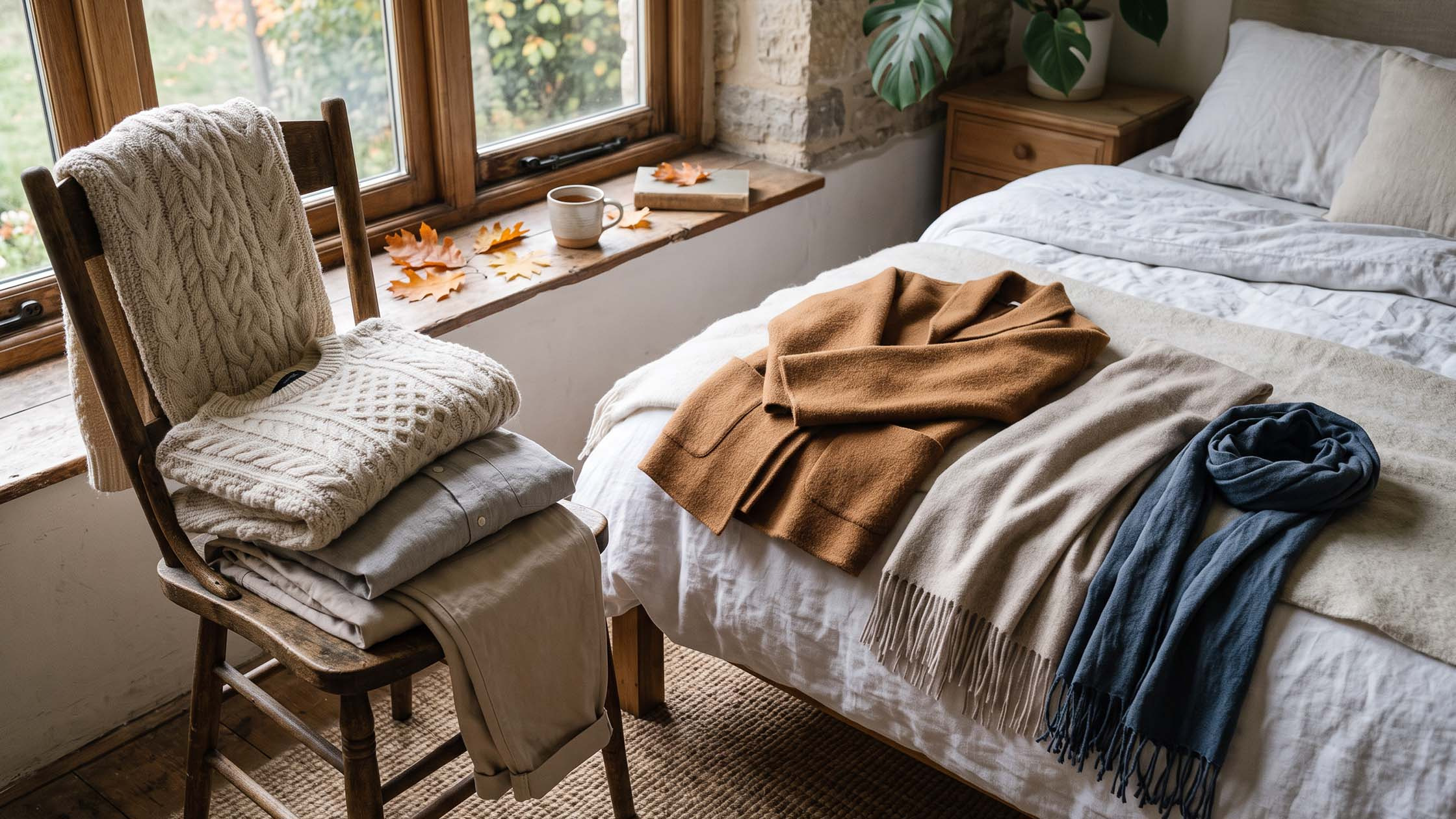
Why is wool an irreplaceable fabric in a premium wardrobe for 2026?
The exceptional thermoregulating and hygroscopic properties of natural yarn
Natural yarn reacts to changes in the temperature around it. In winter it holds heat close to the body, and in summer it lets the skin breathe freely. Its high hygroscopicity means the fabric absorbs moisture from the surroundings without feeling wet to the touch. This fibre structure prevents the body from overheating and keeps you comfortable all day long. Garments made from this material do not absorb odours, which reduces how often they need washing. The fibres have a natural protective layer that repels particles of dirt and dust. The right weave amplifies these properties, creating a barrier against wind and cold. Designers appreciate this functionality and reach for natural fabrics in year-round collections. Choosing the right weight lets you match the insulating properties to a specific project.
Sustainable fashion and the timeless durability of fine fibres
A conscious approach to fashion calls for choosing materials with a long life. Fine fibres are fully biodegradable, which fits the principles of the circular economy. Clothes made from high-quality yarn keep their original shape for many years. Their resistance to abrasion and stretching means garments do not lose their shape even with heavy use. Investing in one more expensive fabric replaces the need to buy many lower-quality garments. Such a decision reduces textile waste and promotes responsible consumption. Proper care further extends the life of every item in your wardrobe. The timeless character of natural fabrics means that classic shapes sewn from them never go out of fashion. Using such materials is an expression of respect for traditional craft and for the natural environment.
Understanding these properties makes it easier to make a conscious buying decision. Choosing the right fabric determines how functional the finished project will be.
Exclusive coating fabrics : how to choose the perfect material for winter?
Choosing a fabric for outerwear calls for an analysis of its structure and weight. The right weave will provide a barrier against low temperatures and wind.
Flausch, bouclé and loden: an overview of weaves that protect against frost
Flausch is a dense fabric that has been napped and sheared. It has a smooth surface with high insulating properties, ideal for elegant outerwear. Bouclé is characterised by a looped yarn structure, which creates a three-dimensional, soft texture. This type of weave traps a lot of air, guaranteeing warmth while keeping the finished garment light. Loden is a traditional fabric that has undergone fulling, which makes it resistant to wind and moisture. The dense structure of loden works excellently in difficult weather conditions. Each of these weaves offers a different visual effect and degree of protection against the cold. The choice of a particular texture depends on the planned style and purpose of the finished garment. Smooth surfaces suit formal cuts, while textured weaves work well in everyday outfits.
Fabric weight and the comfort of wearing outerwear
Fabric weight is the weight of one square metre of material and has a direct effect on its thermal properties. Values above five hundred grams per square metre work well in projects intended for freezing days. Heavier coating fabrics hold their shape better and suit classic, waisted styles. Lighter fabrics weighing around three hundred grams per square metre are a good choice for transitional outerwear. Too much weight in the fabric burdens the figure and reduces comfort in everyday wear. Choosing the optimal weight means allowing for an additional insulating layer inside the project. The density of the weave is just as important as the weight of the material itself. More loosely woven fabrics require a solid lining that will block the wind. A conscious choice of these parameters guarantees a garment that combines good looks with functionality.
Analysing the weave and weight lets you create outerwear tailored to individual needs. Specifying these parameters precisely removes the risk of a tailoring mistake.
Suiting fabrics: the foundation of a perfectly cut blazer and trousers
The construction of formal clothing relies on fabrics with specific technical parameters. The right choice of material guarantees a flawless silhouette all day long.
Worsted wool as a synonym for professionalism in office fashion
Worsted yarn is made from long, carefully selected fibres. The combing process removes the short fibres, leaving a smooth, lustrous material. Such a fabric has an elegant finish and high resistance to abrasion. Office wear sewn from this yarn keeps its shape even after many hours of work in a seated position. The smooth surface makes it easier to construct precise details such as blazer lapels or trouser creases. Suiting fabrics with this weave are very pleasant to the touch and do not irritate the skin. The right weight of fabric means the garment falls naturally on the body, masking small imperfections of the figure. A professional image calls for top-quality materials that do not lose their properties after cleaning.
Natural resilience guaranteeing high resistance to creasing
The structure of natural fibres resembles a microscopic spring, which returns to its original form after being deformed. This property means the fabric smooths itself out while being worn or after being hung on a hanger. High resilience removes the need to iron formal clothing often. Trousers and blazers sewn from the right material look flawless on long business trips. Steam also helps the fibres straighten out, which makes everyday care easier. Weaves with increased elasticity give more freedom of movement without losing the garment's elegant character. Resistance to creasing is a basic requirement for fabrics intended for business wear. Investing in materials with such parameters saves the time spent getting your wardrobe ready to go out.
A formal wardrobe demands an uncompromising approach to the quality of materials. Resilient fabrics make it easier to keep up a professional image in every situation.
Thin wool for dresses: refined elegance available all year round
Fine yarn works superbly in light, floaty projects. A well-chosen weave allows you to create garments suitable for every season of the year.
Tropical wool (cool wool) in summer and transitional sewing projects
Tropical wool is an exceptionally light fabric woven from tightly twisted yarn. The open weave provides excellent air circulation, which makes it an ideal choice for warm days. This structure carries heat away from the body, giving a pleasant feeling of coolness on the skin. Dresses sewn from tropical wool do not crease and keep an elegant look in summer heat. The fabric is extremely thin but not see-through, which means garments can be sewn without an additional lining. High breathability goes hand in hand with durability and resistance to mechanical damage. Transitional seasons call for clothing that adapts to changing weather conditions. Tropical wool does this very well, combining lightness with the thermoregulating properties of natural fibres.
How to choose a weave for dressy outfits and for everyday dresses?
Evening and formal dresses call for fabrics with a smooth, subtly lustrous surface. Crêpe is a weave with a delicately grainy texture that flows beautifully over the figure and drapes softly. Its structure gives dresses a refined character and looks good in artificial light. Everyday projects allow for more matte, textured surfaces. Gabardine is characterised by a distinct diagonal rib and high resistance to creasing, which suits office dresses. The choice of weave determines how the fabric reacts to body movement and to the play of light in its folds. A dense weave gives better coverage and the stiffness needed for geometric cuts. Looser structures suit flared and draped styles, which call for a very pliable material.
Matching the texture to the occasion guarantees the success of every sewing project. Light fabrics open up new possibilities in designing a year-round wardrobe.
Smart online fabric shopping: what to look for when choosing?
Buying fabrics online requires the ability to analyse technical descriptions. Understanding the parameters makes it easier to choose a material perfectly matched to the style you have planned.
How to read composition and technical parameters correctly?
The percentage of each fibre determines the basic properties of the chosen fabric. One hundred per cent natural yarn guarantees the highest level of thermoregulation and breathability. The weight given in grams per linear or square metre indicates the thickness and heaviness of the material. The width of the bolt has a decisive effect on the amount of fabric needed to complete a particular pattern. The description of the texture and the surface finish suggests how the fabric will drape on the figure. It is worth paying attention to the care instructions, which specify how to wash and iron it. Precise photos showing the weave enlarged help you judge the density of the weave and the structure of the surface. Analysing all this information minimises the risk of a wrong purchase and disappointment when the parcel arrives.
Fine blends: when is a touch of silk or cashmere desirable?
Enriching the basic yarn with other luxury fibres changes the practical properties of the fabric. A touch of silk gives the surface a subtle sheen and increases its resistance to stretching. Such a blend makes suiting fabrics smoother and more pleasant against the skin. Cashmere brings unrivalled softness to the weave and significantly raises the insulating performance of the garment. Even a small percentage of this fine fibre gives the fabric a luxurious handle and makes it lighter. Fine blends are desirable in projects intended for special occasions, where the highest quality of finish counts. Combining different natural fibres produces a material that brings together the best qualities of each. The choice of blend depends on the desired visual effect and the budget set aside for the project.
Analysing the composition is the basis of successful shopping in online stores. Luxury blends raise the aesthetic and practical qualities of every garment.
Frequently asked questions (FAQ) – wool and its uses, no mysteries
Clearing up basic doubts makes it easier to work with natural materials. The answers below will help you better understand the specific character of these exceptional fabrics.
Does every woollen fabric itch, and what does its softness depend on?
The feeling of roughness depends solely on the thickness of a single fibre, measured in microns. The finer the fibre, the more delicate the fabric and the kinder it is to the skin. Luxury yarns such as merino or cashmere have extremely fine fibres that do not irritate even sensitive skin. Roughness is typical of thicker, higher-micron fibres, used in traditional rustic fabrics. Surface finishing processes, such as decatising or softening, also affect the final handle of the fabric. When choosing fabrics intended for direct contact with the body, look for worsted weaves with a smooth structure. Properly selected yarn guarantees complete comfort in wear, without any feeling of discomfort. The itchy feeling is a myth that does not apply to high-quality premium fabrics.
Coating fabrics versus suiting fabrics: what is the difference between them?
The main difference lies in the weight, the density of the weave and the purpose of the finished garment. Fabrics for outerwear are much heavier, thicker and often subjected to felting processes. Their job is to protect against harsh weather, wind and low temperatures. Fabrics for suits and skirt suits, on the other hand, are lighter and more elastic. They have to allow freedom of movement, good air circulation and resistance to creasing when sitting. Suiting weaves are usually smoother, which makes precise cutting and shaping of details easier. Using a heavy coating fabric for a blazer would result in a stiff, uncomfortable shell. Understanding these differences lets you match the material correctly to the tailoring construction you have planned.
How to care for woollen clothes properly so that they last for decades?
Natural fibres require gentle handling and the avoidance of drastic changes in temperature. The basis of care is to air garments regularly, which removes odours and restores the resilience of the weave. Small stains should be removed locally with a soft natural-bristle brush. Washing in water is acceptable only when the fabric's manufacturer expressly recommends it. In such cases use cool water and special, mild detergents without enzymes. Drying should be done lying flat, away from direct sources of heat and sunlight. Heavy outerwear and structured blazers are best taken to a professional dry cleaner. Proper storage on wide hangers prevents the shoulders from being deformed and extends the life of every garment.
The right knowledge removes any worries about sewing and care. Natural fabrics repay you with a beautiful look for many years.