

- today
- label News
- favorite 0 Likes
- remove_red_eye 2765 Visits
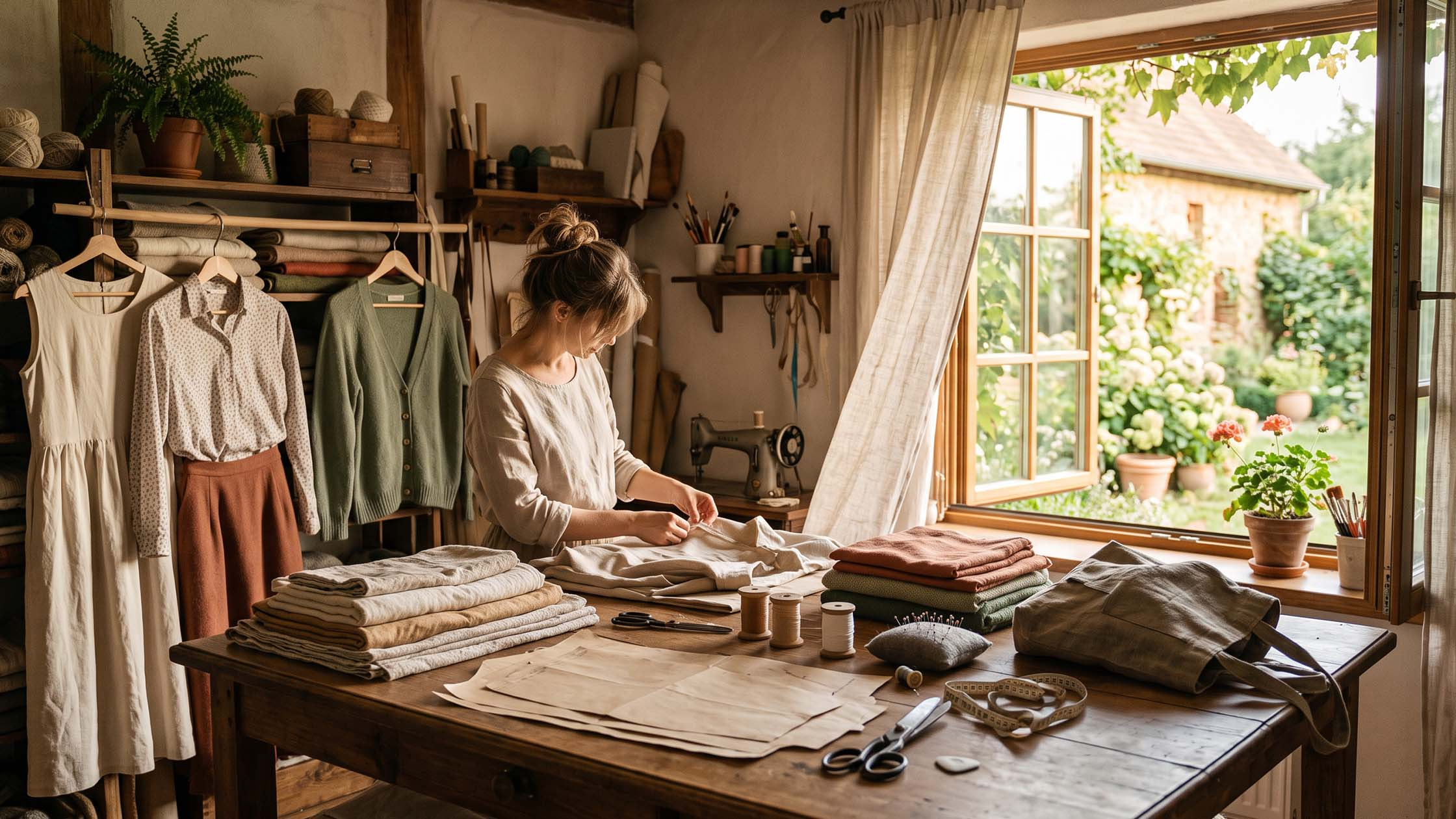
The best fabrics for autumn 2026: what will reign in the new season?
A return to nature: the colours and textures of the coming months
The coming months bring a clear turn towards earthy colours and natural weaves. In sewing studios, deep browns, muted greens and warm shades of mustard will dominate. For 2026, designers are betting on textures you can feel under your fingers, which give clothing a three-dimensional character. When choosing fabrics for autumn, look for materials with a visible weave that resemble raw fibres. Such a choice gives even a simple shape a sense of refinement and elegance. Instead of smooth surfaces, look for subtle slubs and irregularities that betray the natural origin of the yarn. This approach fits the global trend for sustainable fashion, where aesthetics go hand in hand with respect for the environment. As a result, your projects will have a unique look.
How to match the weight of the fabric to your autumn projects?
The thickness of the fabric is a basic parameter you must consider before you start cutting. A layer that is too thin will not keep you warm on cooler mornings, while one that is too thick will make your figure look heavy. For early-autumn dresses choose fabrics of medium weight, which drape well and let the skin breathe. When planning to sew a coat, reach for closely woven fabrics that will keep out wind and cold. Always check how the material behaves in movement and whether it is easy to shape. A well-chosen weight guarantees that the garment you sew will be functional and comfortable throughout the season. Remember to leave room for a possible lining, which will stiffen the shape further.
The needs of a modern capsule wardrobe
The idea of a capsule wardrobe is based on owning a small number of garments that can be freely combined with one another. When sewing with such a wardrobe in mind, choose versatile patterns and proven compositions. Your autumn projects should form a coherent base for creating a variety of outfits. Choose fabrics that stand up to frequent wear and are easy to keep clean. A well-cut blazer or a classic skirt made from high-quality material will serve you for many seasons. Investing time in sewing timeless shapes is very satisfying and spares you the problem of having nothing suitable to wear. Focus on quality of workmanship, and your wardrobe will gain solid foundations.
A conscious choice of materials is the first step towards a functional and attractive wardrobe. Understanding trends and the properties of fabrics will make it easier to plan your next sewing challenges.
Suiting fabrics ideal for women's suits and blazers
A woman's suit is synonymous with professionalism and elegance, and it calls for specific materials. A properly chosen fabric guarantees that the garment keeps its shape and stays comfortable through a long working day.
Wool, tweed and gabardine: a reliable classic for cooler days
Classic solutions work best when you want a lasting result. Wool is a natural insulator that adapts to body temperature, keeping you warm outside and letting you breathe in heated rooms. Tweed adds a characteristic British edge to outfits thanks to its multicoloured yarns and pronounced texture. Gabardine, with its diagonal twill weave, is famous for its great durability and resistance to creasing. These suiting fabrics make an excellent base for sewing business wear that has to look flawless for many hours. By choosing them, you invest in materials that respond beautifully to tailoring, making it easier to shape darts and collars. Your blazer will gain a professional look reminiscent of clothing from luxury boutiques.
The importance of the right weight in business wear
Fabric weight tells you how heavy the material is and has a direct effect on how it drapes. In business wear this parameter decides whether a jacket keeps its structure or loses its shape in an unattractive way. A fabric that is too light will not support the complex construction of a blazer and will soon crease from sitting at a desk. One that is too heavy will make the outfit stiff and uncomfortable for everyday wear. The optimal weight of suiting allows you to press the creases in trousers precisely and to keep a sharp shoulder line. Always match the weight to the specific style, bearing in mind the number of inner layers, such as interfacings. That guarantees the success of the whole project.
A breathable viscose lining as the foundation of a successful jacket
Even the best-cut blazer will lose its functionality if it is finished with an artificial lining that does not let air through. The inside of a jacket is in direct contact with the body, so it calls for natural or cellulose fibres. Viscose is an excellent choice for a lining, because it absorbs moisture better than cotton and is wonderfully pleasant to the touch. Its smooth surface makes it easy to put on and take off an outer garment without causing static in the clothes underneath. A viscose finish raises the standard of the whole garment and shows attention to detail. It makes the garment fully comfortable whatever the conditions in the office.
Professional business wear requires a high-quality outer layer combined with a suitable finish on the inside. Using proven tailoring solutions guarantees a flawless look and comfort in wear.
Viscose for autumn: why is it an excellent choice for dresses?
Dresses worn on cooler days need fabrics that combine elegance with practicality. Cellulose fibres fit these needs very well, offering wide design possibilities.
The properties of thicker viscose in changeable weather
When the temperature falls, thin summer fabrics should be replaced with heavier versions. Thicker viscose keeps all the advantages of its lighter counterpart while offering better thermal insulation. This fabric flows beautifully over the figure, creating soft, feminine lines that do not add bulk. Thanks to its high hygroscopicity, it effectively draws moisture away, preventing the body from overheating in enclosed spaces. Its full-bodied structure means the dress is not see-through and hangs well even without an extra slip. It is the ideal compromise between lightness and protection from the early-autumn chill. Your projects will gain in functionality without losing their airy character.
Patterned viscose in the trends and outfits of 2026
The year 2026 brings a fascination with bold motifs inspired by art and nature. Retro-style geometric patterns and large, painterly flowers on a dark background are absolute hits of the coming months. Patterned fabrics bring an autumn wardrobe to life, adding dynamism and originality. When sewing with such a material, choose simple shapes, because it is the print that plays the lead role in the whole outfit. Experiment with asymmetrical cuts and gathers, which will further show off the richness of the pattern. A dress with an interesting motif is a ready-made outfit that does not need many accessories. It lets you put together an eye-catching look quickly every morning.
What to pair viscose dresses with to create a cohesive look?
Styling dresses on cooler days is based on skilfully building layers. A floaty skirt contrasts beautifully with heavier items of clothing, creating a modern and intriguing look. Pair a dress with a chunky-knit wool cardigan for a cosy everyday outfit. The office version will gain in seriousness when you throw a classic blazer sewn from plain gabardine over it. Leather block-heel ankle boots or tall boots will complete the outfit, keeping you warm and balancing the proportions of the figure. This flexibility in choosing accessories means that one dress serves you for many different occasions.
Using cellulose fibres in autumn projects lets you create comfortable and eye-catching clothes. Styling these garments well maximises how useful they are.
Luxury fabrics for the most demanding sewing enthusiasts
Working with top-class materials is a pure pleasure and a guarantee of creating clothes with a unique character. Fine fibres demand precision, but they reward you with an amazing final result.
Cashmere and silk in an autumn wardrobe: an investment in quality
Investing in prestigious materials is a decision that pays off over the years. Cashmere offers unrivalled softness and thermal insulation, surpassing traditional sheep's wool in this respect. Silk, in turn, delights with its delicate sheen and a smoothness that wraps pleasantly around the skin. Combining these two fibres in one outfit creates a harmonious contrast between matte fluffiness and a gleaming sheet of shine. Sewing with such fabrics calls for caution, but it lets you create garments whose standard matches runway collections. It is a choice for people who value uncompromising quality and want to surround themselves with beautiful things every day.
Creating unique projects with premium fabrics
Exclusive materials inspire a search for new shapes and finishing details. When sewing with silk, use French seams, which hide the raw edges of the fabric completely and give the garment a neat inside. Working with cashmere encourages you to experiment with finishing edges by hand, which underlines the handcrafted character of the project. Such autumn fabrics let you create clothing fully tailored to your individual needs and measurements. Every piece you sew becomes a small work of art, reflecting your skills and taste. What makes these projects unique is the care taken over every last detail.
Using exclusive fabrics in coats and wraps
Outerwear sewn from fine fibres instantly raises the standing of any outfit. A coat with a touch of cashmere is light, yet protects effectively against low temperatures. Loose wraps made of heavier silk work very well in transitional seasons, adding elegance to simple outfits. Using such materials over large areas of a garment lets you show off their natural beauty and the way they reflect light. When designing this kind of outerwear, choose minimalist cuts that will not overwhelm the rich texture of the material. A simple shape best underlines the luxurious character of the fabric used.
Working with fine fibres is a higher level of the tailor's art. The result is durable, beautiful clothes that are an ornament to any woman's wardrobe.
Sewing secrets and care rules for autumn projects
How long a sewn garment lasts depends as much on the precision of the workmanship as on caring for the fabric properly. Knowing the rules of handling and maintenance lets you enjoy your handmade clothes for a long time.
How to prepare suiting and wool fabrics before cutting?
Before you start cutting, you must prepare the material properly to avoid unpleasant surprises after the first wash. Suiting fabrics with a high wool content need decatising, which prevents the garment from shrinking later. The safest method is to use plenty of steam from the iron, avoiding pressing the soleplate directly onto the surface of the fabric. If you are worried about doing it yourself, take the fabric to a professional dry cleaner to have it stabilised. Thoroughly pressing the whole piece before pinning on the paper pattern guarantees precise cutting and a perfect fit between the individual pieces. Skipping this step often leads to deformation of the finished jacket or trousers.
Safe washing and ironing of delicate viscose
Cellulose fibres need gentle handling, especially when wet and prone to mechanical damage. Finished dresses are best washed by hand in cool water with a mild detergent. Avoid vigorous wringing and rubbing, which destroys the structure of the fibres and causes permanent creases. Drying should be done lying flat on a towel, away from direct sources of heat and sunlight. Always iron on the wrong side, at a medium temperature and with plenty of steam, which will restore the fabric's original softness. Following these rules regularly will extend the life of your favourite garments.
Storing luxury fabrics in a home sewing room
Organising the space in your sewing room properly protects valuable fabrics from damage and fading. Store cashmere and silk in a dry, dark place, preferably in cotton bags that allow air to circulate. Avoid plastic containers, which trap moisture and encourage mould. Heavier wool fabrics are best wound onto cardboard tubes, which prevents hard-to-remove creases at the folds. Remember natural moth repellents, such as sachets of dried lavender or pieces of cedar wood. Looking after your fabrics before you sew them is an investment in the quality of your future projects.
Handling the fabric correctly at every stage of work is a guarantee of success. Proper care of finished garments keeps them looking flawless for years.
FAQ: the most common questions about autumn fabrics
Starting a new sewing season brings many dilemmas about choosing the right materials. Below you will find answers to the questions that come up most often before autumn projects begin.
Which fabric is the warmest for early-autumn coats?
If you are looking for maximum protection from the cold, aim for natural fibres of animal origin. Pure sheep's wool of high weight is the standard, reliable choice for early-autumn coats. If you want less weight while keeping excellent insulation, choose fabrics with a touch of cashmere or alpaca. These fine fibres hold warm air close to the body, creating a barrier against the cold wind. Pay attention to the density of the weave: loosely woven fabrics will let the cold through whatever material is used. A well-chosen fabric will make your coat comfortable even on cooler mornings.
Does viscose crease under a heavier outer garment?
Susceptibility to creasing depends on the thickness and type of weave used, not only on the material itself. Thin summer versions really do crease easily under the pressure of a heavy coat. Thicker viscose intended for the autumn season behaves much better and returns to its original shape faster. The addition of synthetic fibres such as elastane further increases the fabric's resilience and minimises creasing. To avoid creases, take off your outer garment in heated rooms and let the dress fall freely. Choosing the right weight eliminates most problems in wear.
Which fabrics work best for beginners in sewing?
People taking their first steps in sewing should choose stable materials that do not slip away from under the presser foot. Medium-weight cotton and closely woven wool are excellent suggestions for the start of a sewing adventure. These fabrics are easy to cut, press well and forgive minor construction mistakes. Avoid thin silk, slippery satin and highly stretchy knit fabrics, which call for experience and specialist needles. Concentrating on stable materials lets you master the basic sewing techniques without needless frustration. In time, as you gain experience, you will move smoothly on to more demanding structures.
Clearing up basic doubts makes it easier to make the right buying decisions. The knowledge you gain helps you avoid common mistakes and enjoy making your own clothes.