

- today
- label News
- favorite 0 Likes
- remove_red_eye 7190 Visits
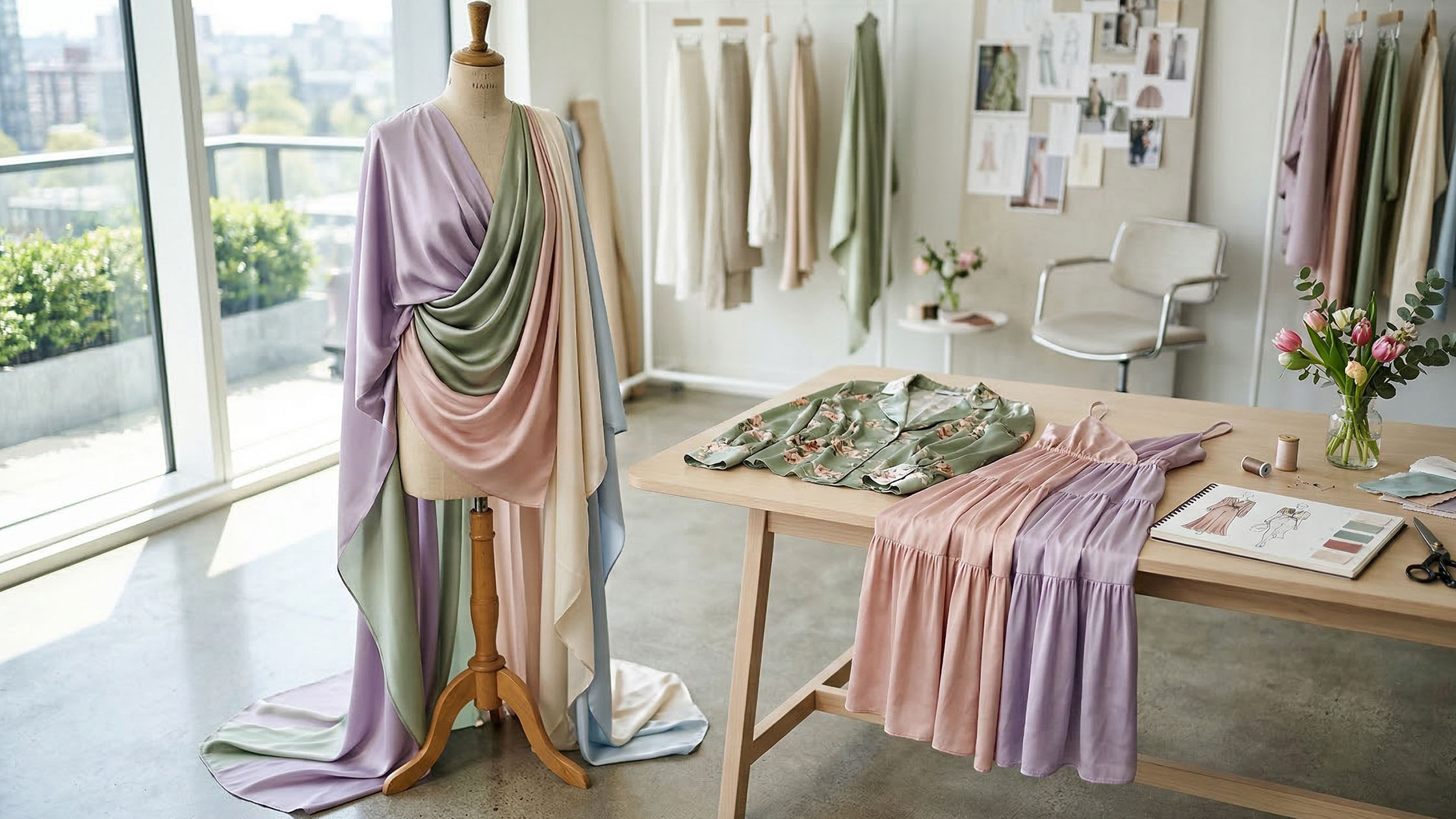
What exactly is viscose satin and why is it the hit of spring 2026?
Spring 2026 brings a return to natural comfort. Materials that combine a beautiful look with comfort are becoming the basis of the wardrobe.
The natural origin of cellulose fibres
Fibres obtained from wood are the base of this material. The processing makes it possible to obtain a yarn with properties similar to silk. The material breathes and is fully environmentally friendly. By choosing such a solution you look after nature and your own comfort every day.
The noble sheen and silky handle of the material
The surface of the material gently reflects the light, creating an effect of luxury. To the touch you will feel a cool, smooth handle reminiscent of the most expensive fabrics. Viscose satin falls superbly on the body. Such a structure makes everything you sew look extremely elegant.
The advantage of viscose over polyester satin
Artificial materials make the skin sweat excessively on warm days. Cellulose-based fibres guarantee a free flow of air and thermoregulation. They do not build up static and do not attract dust. The difference in wearing comfort is noticeable from the first time you put it on.
Choosing the right fabric determines the success of a tailoring project. It is worth betting on proven, natural solutions.
Properties of viscose satin that your skin will love
Direct contact of the material with the skin calls for the utmost gentleness. The right fabric parameters decide how you feel.
Excellent air circulation on warmer days
Spring temperatures call for clothing that does not block the body's cooling. The structure of the fibres allows moisture to be carried away quickly. The skin stays dry even on very warm days. This gives a feeling of freshness from the morning's first step outside until evening.
A fluid structure ideal for sensual draping
The material falls freely, forming soft folds. Its readiness to drape makes it possible to create complex gathers and pleats. Designers value this property when creating outfits that need fluid movement. Gowns gain dynamism with your every step.
Hypoallergenic and the highest everyday wearing comfort
People with sensitive skin will appreciate the absence of artificial additives that irritate the epidermis. The smooth surface does not cause chafing in places where it fits tightly. The material is safe for allergy sufferers and people with skin conditions. Wearing clothes made from this fabric every day is pure pleasure.
Understanding these features lets you make use of the material's potential. Your body will thank you for this choice.
Viscose satin for summer dresses and spring outfits
The warmer months are the time to refresh your wardrobe. The right style combined with a good material guarantees an excellent result.
Sensual slip dresses in this season's trends
Lingerie-inspired styles dominate the catwalks this year. Thin straps and plunging necklines need a fabric that wraps the figure softly. The smooth surface of the material works in harmony with the minimalist cut of a slip dress. Such a dress will suit a date or a stroll.
Flared midi cuts ideal for windy weather
A length reaching below the knee is the quintessence of spring elegance. The material ripples beautifully in every gust of wind, adding lightness to the figure. Such a cut gives complete freedom of movement and hides figure flaws. It is an excellent choice for afternoon get-togethers in the garden.
How to choose the right weight of material for the style?
Lighter variants will work for heavily gathered designs. A material that is too heavy will upset the proportions of the whole construction of the dress. For simple, fitted cuts, choose fabrics with a higher weight. Pay attention to the specification before making your final choice.
Spring dresses call for well-thought-out design decisions. A well-chosen material is half the success.
Elegant viscose satin blouses and shirts for the office and the evening
Tops are the basis of many outfits. A noble sheen adds a sophisticated character to them.
A classic women's shirt with pearl buttons
The traditional cut gains a new lease of life thanks to the fluid structure of the fabric. Pairing a smooth material with decorative buttons creates an elegant whole. Such a shirt fits the office dress code while keeping its feminine charm. You can easily combine it with a pencil skirt.
Romantic blouses with puff sleeves and ties
Voluminous sleeves need a material that does not form a stiff balloon. The soft fall of the fabric guarantees a well-proportioned look to the puffs. Decorative ties at the neck form perfect bows without creasing. It is a great choice for a formal dinner.
What to pair satin sheen with in everyday outfits?
A shiny surface contrasts superbly with matte textures. Pairing an elegant blouse with classic jeans breaks down the formal character of the outfit. Combining it with a chunky wool jumper will create an interesting play of textures for cooler mornings. Avoid combining several shiny elements.
A suitable pairing of textures builds depth in every outfit. Experimenting with contrasts brings the best results.
Luxury tailoring using Italian viscose satin
Demanding projects need materials of the highest class. Italian mills are famous for producing excellent fabrics.
Why do designers choose this material for premium collections?
Fashion makers look for fabrics that render their vision precisely. Reliability when cutting allows complex constructions to be realised. Finished garments keep their original shape for many seasons. Boutique customers expect uncompromising quality.
Comparison: luxury viscose satin versus natural silk
Both materials offer similar tactile and visual sensations. Cellulose fibres are much easier to care for day to day. The difference in price allows larger projects to be carried out without straining the budget. Visually, these materials are almost indistinguishable.
Unique design and a rich colour palette straight from Milan
Italian manufacturers set the world's trends in colour. The deep saturation of colours is kept after repeated washing. Unique dyeing processes make it possible to obtain smooth tonal transitions. Access to such fabrics opens up new possibilities for sewing enthusiasts.
An investment in premium material pays off in wear. Italian quality speaks for itself.
See how fluid viscose satin falls in movement
The true beauty of the material is revealed in wear. Static photos do not fully convey its character.
The importance of the soft fall of the fabric and the waterfall effect
The cascading fall of the material is a desirable effect in elegant outfits. The fabric flows down the body, emphasising every movement. This kind of draping requires a raw material of a specific weight. The effect adds dynamism to simple cuts and brings an outfit to life.
The play of light on the satin weave when walking
The folds of the material in motion cause the angle at which light reflects to change constantly. A delicate shimmer arises that draws the eye. Darker colours gain depth, and light pastels radiate a glow. This phenomenon makes the garment look different in every light.
Video inspiration for your next tailoring project
Short video clips show how the material behaves live. Watching the fabric in movement helps you imagine the final effect of your work. It is worth looking for recordings that present finished dresses in a natural setting. Visualisation makes it easier to decide on a style.
The dynamism of the fabric is its greatest asset. Make use of this phenomenon in your designs.
The most fashionable colours and patterns of viscose satin this season
Colour plays an enormous role in how a whole design is perceived. Trends draw inspiration from nature.
Pastel shades of sage, lavender and powder pink
Delicate, softened colours fit the spring mood. The cool shade of sage goes well with a fair complexion. Lavender and powder pink add a romantic character to outfits. These colours work well in airy dresses.
Sensual red and deep navy for evenings out
Intense colours gain an extra dimension thanks to the glossy surface. A classic red draws attention and adds confidence. Deep navy is an alternative to black, offering a noble look. Such shades are a sure choice for elegant dinners.
Floral motifs and vintage-style geometric prints
Floral patterns in a modern edition enliven simple styles. Large flowers in contrasting colours are a strong trend this season. Geometric arrangements referring back to the 1970s return in a refreshed form. Patterned fabrics let you hide minor imperfections in sewing.
The choice of colour affects the final character of the garment. Following trends makes it easier to create fashionable outfits.
How to sew viscose satin? Advice for tailoring enthusiasts
Working with delicate materials requires patience and preparation of your workspace. Knowing a few techniques removes the stress.
Choosing the right needles and thread for delicate fabrics
A needle that is too thick will leave visible holes and snag the fibres. Use Microtex needles in size 60 or 70. High-strength polyester thread will give even stitches. Change the needle before every new project to keep it sharp.
Preventing the material shifting under the machine's presser foot
A slippery surface makes it hard to guide two layers of fabric evenly. Using a walking foot solves the problem of uneven easing of the material. You can place a thin sheet of greaseproof paper under the piece being sewn and tear it away. Always tack difficult sections before sewing.
Securing the edges against fraying
The loose weave means the edges become damaged during processing. Using an overlocker is the quickest way to finish the edges. A French seam will hide unsightly edges inside the seam allowance. Secure the edges immediately after cutting out the pieces.
The right techniques guarantee a professional look for what you sew. Accuracy at every stage pays off in a perfect result.
Decatising and cutting slippery viscose satin step by step
Preparing the material before you put the scissors in decides the success of the whole. Skipping this stage leads to deformation of the garment.
Does viscose satin shrink in the first wash?
Cellulose fibres tend to change dimensions under the influence of water. Decatising, that is pre-washing or pressing with plenty of steam, is necessary. The material will shrink by a few per cent. Doing this before cutting guarantees that the size is kept.
Techniques for safely pinning patterns with silk pins
Ordinary thick pins will damage the structure of the material and leave marks. Use only very fine silk pins without plastic heads. Insert them in the seam allowances to minimise the risk of damage. Pattern weights are a safe alternative to traditional pinning.
Correctly positioning slippery material in relation to the warp
Cutting requires a large flat surface on which the material can rest freely. Make sure the straight grain runs parallel to the selvedges. The slightest deviation will cause the sleeves to twist when worn. Use sharp tailor's scissors for precise cutting.
Precision when cutting makes the later sewing of the pieces easier. Give this stage enough time.
Caring for viscose satin so it keeps its shine for years
Proper care of what you sew extends its life. Delicate fibres need special treatment.
Hand wash or machine – how not to ruin the fibres?
Gentle hand washing in cool water with mild detergents is recommended. If you use a washing machine, choose the programme for delicate fabrics. Always turn garments inside out and put them in protective laundry bags. Avoid strong rubbing and wringing of the wet material.
Safe drying of delicate cellulose-fibre materials
Wet fabric is prone to stretching and deformation. Dry garments flat on a clean towel away from heat sources. Tumble dryers will permanently damage the structure of the fibres and ruin the sheen. Proper drying will make later ironing easier.
Ironing satin without the risk of shine marks and scorching
A high temperature will melt the fibres and leave shiny patches. Iron garments on the wrong side at the low temperature intended for silk. Use a protective cotton cloth between the iron and the material. Using a garment steamer is the safest way to get rid of creases.
Proper care is an investment in the durability of your wardrobe. Following these rules will keep the beauty of the material.
Ideal haberdashery for viscose satin outfits
Details decide the final character of what you sew. Choosing the right accessories underlines the luxurious character.
Choosing exclusive buttons and hooks and eyes for luxury projects
Plastic fastenings will spoil the look of the best-sewn shirt. Choose buttons made of natural mother-of-pearl, glass or metal. Hidden hooks and eyes let you keep a clean neckline with no visible elements. Pay attention to the weight of the buttons so they do not weigh down the material.
Silk thread as a guarantee of a perfect and lasting seam
For finishes visible on the right side, it is worth using thread with a natural sheen. Silk threads blend perfectly with the surface of the material. They are extremely strong and flexible, which prevents seams from splitting. Using them is the hallmark of top-class made-to-measure tailoring.
Ribbons and lace for finishing lingerie-style tops
Appliqués of delicate French lace add sensuality to simple cuts. Use soft ribbons that do not stiffen the edges of the neckline. Contrasting edge finishes are an interesting way to personalise a design. Choose trims with similar care requirements to the main fabric.
A careful choice of haberdashery raises the aesthetic value of a garment. It is the details that create true works of tailoring art.
Viscose satin versus other fabrics for spring and summer – what to choose?
The variety of raw materials available makes it possible to match the material precisely to your needs. Understanding the differences makes the decision easier.
Breathability: viscose satin versus fine linen fabrics
Linen offers unmatched breathability and a raw, natural look. Cellulose fibres provide similar thermal comfort but differ in finish. Linen creases heavily, whereas the satin weave stays smooth. The choice depends on the degree of formality expected of the outfit.
Elegance: viscose satin versus cotton batiste
Batiste is a thin, slightly transparent cotton, excellent for summer shirts. It lacks a fluid structure and a noble sheen. Cellulose-based fibres offer a more sophisticated look while keeping a similar lightness. For projects that call for draping, a lustrous surface will work much better.
When will luxury cashmere with a silk admixture work better?
Cooler spring evenings call for materials that provide warmth. Cashmere with silk is an excellent choice for light coats and jumpers. Cellulose fibres have cooling properties, so they do not work as a warming layer. Choose the raw material to suit the prevailing weather directly.
Comparing the properties of different materials builds your tailoring knowledge. Conscious choices guarantee the success of projects.
Where to buy the highest-quality viscose satin online?
Shopping on the internet requires trust in the seller. Choosing a proven supplier is a guarantee of satisfaction.
What to look at when reading a fabric's composition and parameters?
Always check the percentage share of the individual fibres in the product description. Look for information on weight given in grams per square metre. This parameter will tell you whether the material is thin and transparent. Pay attention to the washing instructions before adding the product to your basket.
Fast international shipping and safe premium packing
Customers from different countries expect efficient order fulfilment. Professional shops offer clear information on the costs and time of delivery abroad. Delicate fabrics need careful protection from moisture in transport. Receiving an attractively packed order heightens the joy of shopping.
Why trust the many years of experience of the Izpol brand?
A shop with an established position in the market carefully selects its range. Direct cooperation with Italian manufacturers guarantees access to the highest quality. Professional advice makes it easier to make the right buying decision. Hundreds of satisfied customers confirm the reliability and high standard of service.
Choosing a reputable shop eliminates the risk of disappointment. Focus on creating and leave the delivery of materials to the professionals.
Viscose satin outfits for the most special occasions
Important celebrations call for an exceptional setting and a flawless image. A luxury material underlines the importance of the event.
Stunning gowns for weddings and spring garden parties
Long gowns with a softly falling bottom are a classic of formal fashion. The pearly glow of the material looks superb in natural sunlight. The breathable structure allows you to enjoy the party in comfort all night. It is an ideal choice for bridesmaids and wedding guests.
Elegant outfits for family celebrations and banquets
Short cocktail dresses gain elegance thanks to the noble texture. Pairing a satin skirt with a fitted jacket creates a modern two-piece. Such an outfit shows respect for the hosts and underlines your excellent taste. Minimalist accessories are enough to complete the whole look.
Luxury pyjama sets as an ideal gift idea
Elegant loungewear is synonymous with relaxation and looking after yourself. Pyjamas sewn from this material give incredible comfort during sleep. The beautiful finish makes them an excellent gift for someone close. Such a gift combines practicality with a touch of everyday luxury.
Special moments deserve a special setting. A good material lets you feel confident in any situation.
Frequently asked questions (FAQ) about viscose satin
Dispelling doubts makes working with a new material easier. Find the answers to the most important questions asked by sewing enthusiasts.
Does viscose satin crease a lot when worn?
Every natural material suffers minor creasing in use. Cellulose fibres crease much less than pure linen or cotton. The fluid structure means creases quickly smooth out under the warmth of the body. Hanging the garment up properly after taking it off usually eliminates the problem.
How many metres of material are needed to sew a flared dress?
The amount of fabric needed depends on your height, size and the width of the material. A standard full-circle midi-length dress needs about three running metres. It is always worth buying ten per cent more material in case of cutting mistakes. Analyse your pattern carefully before buying.
Does light viscose satin show through in full sun?
Fabrics with a lower weight in light colours show slight transparency. Sewing a dress from a light material requires a thin lining of batiste. Dark colours and dense weaves provide full coverage without extra layers. Always check the material against the light before you start cutting.
Knowledge is the foundation of successful tailoring projects. Ask and look for information to sew better.