

- today
- label News
- favorite 0 Likes
- remove_red_eye 11825 Visits
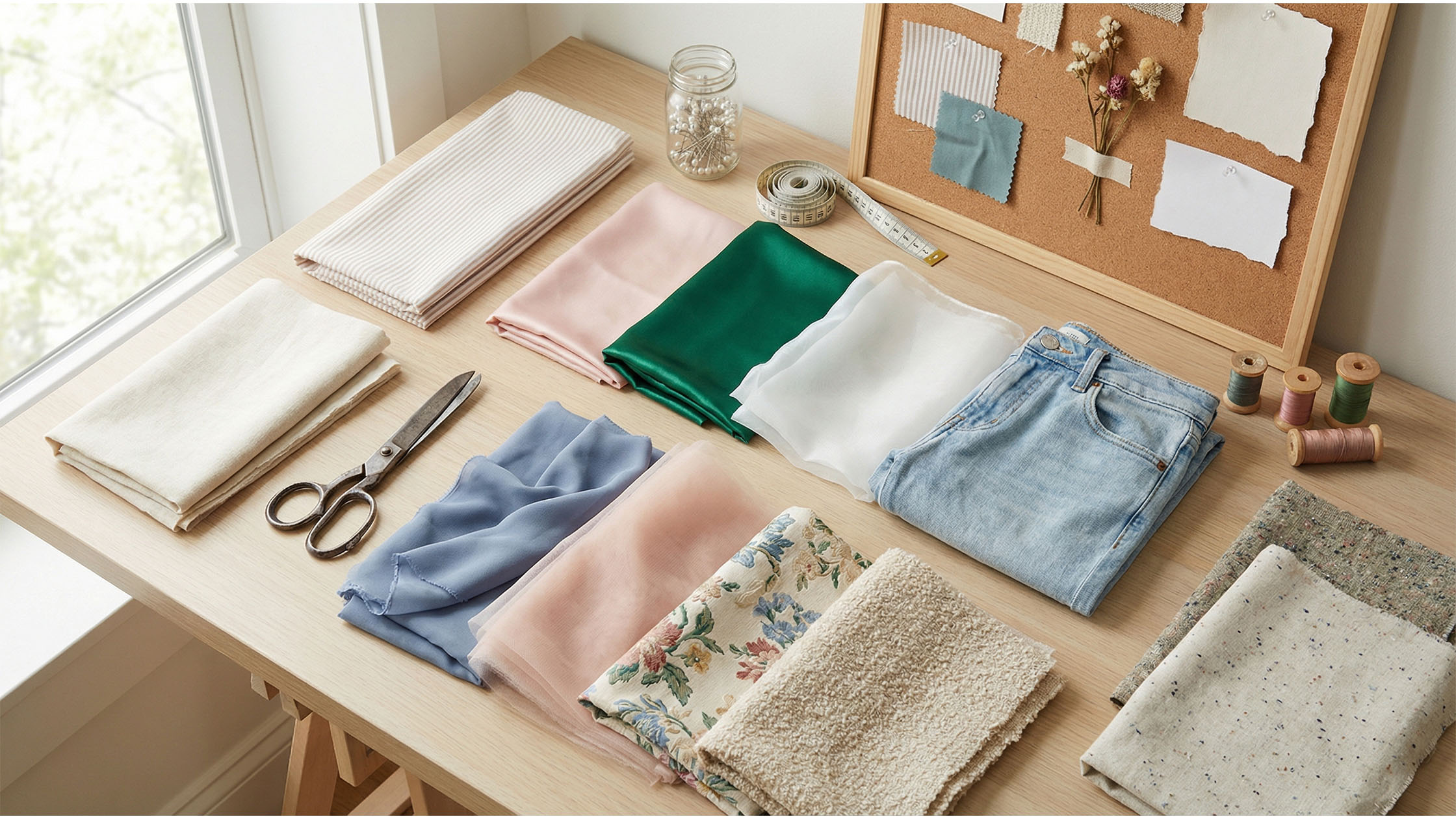
Spring 2026 trends – the great return of nature and eco-friendly weaves
The coming spring season of 2026 brings a clear turn towards authenticity and deep respect for the natural environment. Fashion designers and textile makers are moving away from artificial, non-breathable materials in favour of fibres that let the skin breathe and age gracefully. This is plain to see on the world's catwalks in Paris and Milan, where raw finishes and imperfect textures dominate. This trend is not only an aesthetic: above all it is a slow fashion philosophy that encourages us to make garments meant to last for years, not just one season. Modern tailoring favours materials that are biodegradable and produced with less water. Spring 2026 is a time when luxury is defined by where a raw material comes from and its impact on the planet. That is why certified linens, hemp and organically grown cottons are increasingly welcome in tailoring workshops. The approach to the construction of the garment itself is changing too: it is meant to show off the natural beauty of the fabric rather than hide it behind a complicated cut. When choosing materials for a spring collection, pay attention to their handle, their smell and how they behave in movement, because it is precisely these sensory impressions that will play first fiddle in the coming months.
Modern linen and ramie – why will these fabrics dominate the spring catwalks?
Linen has long been associated with summer wardrobes, but in 2026 it is going through a genuine technological and aesthetic renaissance. Modern fibre-softening methods make today's linen far more pleasant to the touch than its coarse predecessors, while it keeps its characteristic, noble structure. Designers are also reaching more and more often for ramie, known as Chinese nettle, which offers similar thermoregulating properties but stands out for its subtle, silky sheen. These fabrics fit the trend for raw elegance perfectly. Their natural tendency to crease has stopped being a flaw and become a desirable trait that testifies to the material's natural origin. When sewing with linen and ramie this season, we are choosing oversized suits, wide palazzo trousers and minimalist dresses which, thanks to the stiffness of these fibres, keep an architectural shape while providing unusual thermal comfort on warmer days.
Organic cotton and hemp weaves as the foundation of a sustainable wardrobe
Consumers' environmental awareness is forcing changes on the textile market that in 2026 are already standard rather than a niche curiosity. Organic cotton, grown without harmful pesticides, is becoming the basis of every responsible capsule wardrobe. Its fibres are not only safer for allergy sufferers' skin but also much more durable than conventional cotton, which means garments made from it do not lose their shape after a few washes. Alongside cotton, hemp weaves are making their way onto the scene, surpassing most natural materials in strength. Hemp fabrics breathe very well and have natural antibacterial properties, which makes them an ideal choice for spring blouses and light jackets. It is worth looking at blends of these fibres, which combine the softness of cotton with the durability of hemp to create materials with a unique texture, ideal for an everyday urban style that values both comfort and the ethical side of fashion.
Earth and nature colours in the 2026 collections
The colour palette for spring 2026 is a direct reflection of our fascination with nature and calm. We are moving away from loud neons in favour of subdued, deep shades that soothe the senses and are easy to style. Earth colours dominate, such as warm terracotta, muted sage, sandy beige and the deep brown of tree bark. These colours go perfectly with natural fabrics, emphasising their weave and texture. The collections also feature shades inspired by minerals, such as graphite grey or the dusty blue of the sky before a storm. Such a palette encourages monochrome outfits, which visually lengthen the figure and add elegance to a look. When choosing a fabric in these shades, remember that natural dyes, or those imitating the colours of nature, often interact with light differently, giving garments a multidimensionality that synthetic, flat colours lack. It is an excellent base for anyone building a timeless wardrobe that is resistant to changing micro-trends.
Luxury in your workshop – silk and fine blends for the demanding
For those who seek uncompromising quality in tailoring, spring 2026 offers a return to the roots of luxury. In the age of fast fashion, working with premium materials is becoming an artistic statement and an expression of respect for the craft. Fine fabrics demand a skilled hand and patience, but they repay it with an effect that no synthetic substitute can imitate. Investing in high-grade raw materials is a decision to make a garment that will be handed down, not thrown away. This season we are paying particular attention to materials that combine delicacy with durability, offering exceptional wearing comfort. Customers are increasingly looking for fabrics with unique thermoregulating and hypoallergenic properties that are kind to the skin. Luxury in 2026 is not only about looks; above all it is about the feeling a material gives the person wearing it. That is why heavy-weight silks and innovative wool blends, which cope well with changeable spring weather, reign in tailoring workshops.
Milano silk and silk satin – the ideal choice for elegant dresses
Milano silk is a fabric that is winning the hearts of designers this spring 2026 who are looking for a material with a little more body than classic crêpe de Chine. Its dense weave makes it less sheer and it drapes beautifully over the figure, disguising minor imperfections. It is an ideal choice for elegant cocktail dresses and dressy blouses that are meant to keep a flawless shape all day. Silk satin, meanwhile, with its characteristic mirror-like sheen, remains a symbol of evening elegance and sensuality. Its smooth surface reflects the light beautifully, giving creations a three-dimensional look and depth. Working with satin demands precision, but the final result, whether a slip dress or a flowing skirt, is worth every effort. It is worth remembering that natural silk has excellent thermoregulating properties, so garments sewn from it keep you cool on hot days and warm on cooler evenings, providing comfort of the highest order.
Wool with silk and cashmere – materials for transitional coats and jackets
Spring weather can be capricious, so a wardrobe needs outerwear made from luxurious wool blends. The combination of wool and silk is a perfect duo, joining the warmth of sheep's fleece with the delicacy and sheen of silk thread. Such a fabric is lighter than traditional flausch while keeping excellent insulating properties, which makes it ideal for spring coats and light jackets. The addition of cashmere raises the prestige of the material, giving it exceptional softness and making it extremely pleasant to the touch, even in direct contact with the skin. These blends often come in diagonal or jacquard weaves, which further enrich their texture. When sewing with such fabrics, it is worth choosing classic cuts, such as a trench coat or a boxy Chanel-style jacket, which will highlight the nobility of the raw material and serve for many seasons without losing their relevance and elegance.
How to care for fine fibres so they last for years
When we decide to buy luxury fabrics, we must remember that caring for them takes particular attention and knowledge. Silk, wool and cashmere are protein fibres, which tolerate high temperatures and strong chemical detergents poorly. The basis of caring for such clothing is airing, which is often enough to freshen a garment and get rid of unwanted odours without any need for washing in water. If washing is necessary, hand washing in cool water with a specialist detergent for delicate fabrics is recommended, avoiding rubbing and wringing, which can damage the structure of the fibres. Drying should be done flat, away from direct heat and sunlight, to avoid distortion and fading. Silk and wool are best ironed through a cotton cloth or with a steamer, which smooths out creases without the risk of making the material shiny. Proper maintenance is the key to making an investment in premium materials pay off in many years of use.
Airiness, patterns and expression – viscose and muslin for creative souls
For people who treat fashion as play and a way of expressing their personality, spring 2026 brings an explosion of patterns and light, dynamic shapes. It is a season in which the street becomes a catwalk full of colour and movement. Fabrics such as viscose and muslin are made to follow the body, ripple in the wind and add lightness to the figure. They are extremely rewarding to sew and to wear, ideal for creative souls who are not afraid to experiment with form and print. Viscose, a fibre of plant origin, combines the advantages of cotton and silk, offering breathability and a beautiful handle. Muslin, with its characteristic crinkled texture, brings an element of nonchalance and ease to an outfit. Bold designs, asymmetric cuts and rich gathers, which look best on soft, flowing materials, reign in this segment. It is an excellent proposal for the young at heart who look to fashion for energy and inspiration.
Geometric prints and retro style
Spring 2026 is a great return of the aesthetics of the 1970s and 1990s, which can be seen in the dominance of geometric patterns and psychedelic prints. For those who follow the latest trends, it is the ideal moment to sew a maxi dress in large, abstract circles or a shirt with a sharp collar in contrasting stripes. These patterns look best on plain viscose fabrics, which render the saturation of colours and the sharpness of outlines to perfection. Retro style in its modern version combines vintage designs with contemporary cuts, creating a unique blend of past and future. It is worth pairing these patterned materials with solid-colour basics to avoid styling chaos or, for the bolder, using the pattern clash technique, putting different prints together in a similar colour range. Fabrics with geometric patterns are a simple way to liven up a wardrobe and give it individual character without any need for complicated tailoring constructions.
Muslin and batiste – the best fabrics for hot spring days
When temperatures begin to rise and the sun shines ever stronger, fabrics with an open weave and low weight become indispensable. Cotton muslin, known for its remarkable softness and breathability, is an absolute hit for spring and summer heat. Its double-layer structure (double gauze) makes it substantial yet not see-through, which makes it an ideal material for loose dresses, tunics and shorts. Batiste, in turn, is a fabric for lovers of subtlety: it is thin, delicate and slightly transparent, and works very well for romantic blouses with puffed sleeves or airy lined skirts. Both materials absorb moisture superbly and dry quickly, which is crucial on warm days. Their natural origin guarantees that the skin will not sweat or become irritated. Clothes made from muslin and batiste are synonymous with holiday ease and comfort, which can also be carried over into urban outfits.
Viscose twill or crêpe – matching the weave to the style of skirt
Choosing the right type of viscose is crucial to the final look of the garment you sew, especially in the case of skirts. Twill (diagonal-weave) viscose has visible ribbing and is slightly thicker and heavier than traditional plain-weave viscose. As a result it holds its shape better, creases less and is more durable, which makes it ideal for A-line or wrap skirts that need a certain amount of structure. Viscose crêpe, on the other hand, has a grainy, matte surface and is more fluid and springy. It sits beautifully on the figure, softly skimming the hips, which is why it is the best choice for bias-cut skirts, ruffles and designs with draping. Understanding the differences between these weaves allows you to design consciously and avoid the disappointment of a material that does not behave as we expected. When choosing a fabric for a project, it is always worth checking its handle and how it reacts to gravity.
Structure matters – jacquards and bouclé in a spring edition
Spring 2026 in fashion is not only about colour and pattern, but above all about three-dimensionality and tangible structure. Designers are moving away from flat surfaces towards fabrics that intrigue with their touch and play of light and shadow. Structured materials such as bouclé or jacquards are no longer reserved exclusively for heavy winter coats or upholstery and are boldly entering the spring wardrobe in lighter, more refined versions. These fabrics add depth and character to outfits, so that even the simplest cut takes on a sophisticated look. It is a proposal for people who value originality and want to stand out from the crowd. Working with such materials requires a little more skill, especially when cutting and sewing, so as not to disturb the pattern or structure, but the final result, a unique jacket or skirt, is worth it. Structured fabrics work very well as statement pieces – items of clothing that build the whole look.
Chanel-style fabrics (bouclé) – timeless elegance in 2026
Bouclé fabric, popularised by the fashion house Chanel, is a classic that is gaining a new, fresh face in 2026. The characteristic looped surface, made from yarn with an irregular structure, gives garments softness and volume. Spring versions of bouclé are lighter, often with an admixture of cotton or viscose, and come in cheerful pastel colours such as pink, mint or sky blue. It is an ideal material for a short, boxy jacket that can be paired with an elegant skirt or with jeans alike, creating a smart casual look. Bouclé is a rewarding fabric to sew, because its structure forgives minor irregularities of stitching, although the edges need securing against fraying. Garments made from bouclé are an investment in a timeless style that never goes out of fashion and always suggests good taste and Parisian chic.
Floral and abstract jacquards for bold projects
Jacquards are fabrics with an extremely rich tradition, produced in a complicated weaving process that creates patterns visible on both sides of the material. In the spring 2026 season jacquards are flourishing, presenting daring floral motifs and modern, abstract compositions. Thanks to their stiffness and thickness, jacquards are perfectly suited to garments with architectural forms: flared skirts, corsets or short trapeze-line coats. The patterns on jacquards are not printed but woven in, which gives them nobility and three-dimensionality. When choosing a jacquard for a spring project, pay attention to its composition: blends with silk or cotton will be lighter and more breathable than purely synthetic ones. It is a material for bold makers who want their garments to be small works of applied art, eye-catching and delighting with the precision of their execution.
Combining textures – how to pair structured materials with plain basics?
The key to a successful outfit with structured fabrics is the skilful balancing of proportions and textures. Pairing a rich, looped bouclé or a patterned jacquard with a plain, subdued base helps avoid an effect of excess and brings out the beauty of the main material. For example, a bouclé jacket will look great alongside a smooth silk top and simple trousers in suiting wool. A jacquard skirt, in turn, gains lightness if we combine it with a minimalist poplin shirt or a simple T-shirt in high-quality cotton. The contrast between a rough structure and a smooth surface adds dynamism and modernity to an outfit. It is worth experimenting by holding different material samples against each other before you start sewing, to judge how they work together and whether they form a harmonious whole. Let us remember that in fashion, as in architecture, what counts is the balance between form and material.
Online fabric shop – how to buy materials without touching them?
Buying materials over the internet can seem a challenge, especially for people used to the traditional "feeling" of fabrics in a bricks-and-mortar shop. However, a professional online fabric shop offers tools and information that allow you to make an informed and accurate decision without leaving home. The key to success is being able to read technical descriptions and understand the terminology used in the textile trade. Good photos, showing the material in close-up and how it drapes on a mannequin, are extremely helpful, but it is the technical parameters that tell us most about a fabric's properties. Knowing how a given raw material behaves and what a particular weight means helps minimise the risk of a wrong purchase. It is also worth making use of the shop's customer service, who often offer expert advice and can compare two materials for us or send additional photos in daylight. Shopping online means convenience and access to a huge range that local haberdasheries often lack.
Weight and handle – how to read product descriptions to avoid disappointment?
Weight is one of the most important parameters to look at when buying fabric online. Usually expressed in grams per square metre (g/m2), it tells us how thick and heavy the material is. Low weight (e.g. 80-120 g/m2) means a thin, airy fabric, ideal for blouses or summer dresses (e.g. batiste, chiffon, thin viscose). Medium weight (150-250 g/m2) is standard for most dress, trouser and jacket fabrics. High weight (over 300 g/m2) suggests a thick, substantial material, suitable for coats or heavier blazers. The handle of a fabric, though harder to put into words, is often described as "soft", "crisp", "fluid" or "stiff". These adjectives are key to imagining how the material will behave once sewn. When reading a description, it is worth setting this information against the intended use of the fabric suggested by the shop, which gives a fuller picture of the product.
Reading the composition like a professional – the differences between viscose and polyester
The ability to analyse fibre composition is the foundation of successful shopping. Many fabrics look similar at first glance, but it is their composition that determines wearing comfort and durability. Viscose, although it is a man-made fibre (produced chemically), is made from natural wood cellulose, which is why it breathes and is kind to the body, much like cotton or linen. Polyester, on the other hand, is a synthetic fibre, a derivative of crude oil, which is very durable and crease-resistant but does not let air through as well as natural fibres. It is worth looking for modern polyesters or blends in which a synthetic addition (e.g. elastane) improves the practical properties of a natural fabric without dominating it. This distinction is crucial, especially when we are looking for materials for summer: viscose will keep you cool, whereas polyester can prove uncomfortable on hot days.
Fabric samples – why is it worth ordering them before a larger project?
Even the best description and photos will not replace physical contact with the material. That is why, before buying a larger quantity of fabric, especially an expensive one, it is worth ordering samples. This lets you not only judge the true colour, which may differ depending on your monitor settings, but above all check the texture, thickness and handle of the material. We can hold the sample up to the face, see how it lies in the hand, and even carry out a washing or ironing test to check how the fabric behaves in care. Ordering samples is also a great way to build your own "catalogue" of fabrics, which makes planning future projects easier. It is a small investment of time and money that protects against costly mistakes and disappointment, giving certainty that the chosen material fits our vision perfectly.
FAQ – Frequently asked questions about sewing for spring 2026
Spring sewing raises many questions, both for beginners and for experienced tailoring enthusiasts. Changing trends and new materials call for updated knowledge and adapted working techniques. We often wonder about technical aspects such as fabric consumption and the right preparation of the fabric, which is crucial to the success of a project. The answers to these questions help avoid basic mistakes and make the creative process a pleasure rather than a stressful challenge. Below we have gathered the doubts that come up most often about sewing a spring wardrobe, to make it easier for you to start the new season with needle and thread in hand.
How much fabric should I buy for an airy midi dress with sleeves?
Working out the amount of material needed is the first step in any project. For a standard midi dress (to mid-calf) with long sleeves, with a fabric width of 140-150 cm, we usually need "one dress length plus one sleeve length" and an extra 20-30 cm for hems and allowances. In practice that means about 2 to 2.5 running metres of fabric. If, however, the material has a pattern that needs matching (e.g. check, large flowers), or the dress is to be heavily gathered or cut as a full circle, consumption rises considerably and can reach 3-4 metres. It is always worth buying a little more material (about 10-15% extra) to have a safety margin for possible cutting mistakes or shrinkage of the fabric after decatising.
Decatising natural fabrics – do linen and viscose shrink a lot?
Decatising, that is pre-shrinking the fabric before cutting, is absolutely essential for natural fibres and man-made fibres of plant origin. Linen, cotton and viscose tend to shrink under the influence of water and temperature, and that shrinkage can range from 5% to as much as 10%. This means a metre of fabric can lose up to 10 cm after washing! To avoid a situation in which a finished dress becomes too tight after the first wash, you must wash and iron the material at the temperature at which you plan to wash the finished garment. With delicate viscoses or silks you can use steaming with an iron, but washing in water is the surest method for linen and cotton.
What thread and needles should I choose for delicate silks and muslins?
Sewing delicate fabrics requires the right accessories so as not to damage the structure of the material. For silk, viscose and muslin it is best to use fine Microtex or Universal needles in size 60 or 70. They have a very sharp point that pierces the fibres without snagging them. Avoid thick, blunt needles, which can cause holes and "pulls". As for thread, silk thread is ideal for silk, but good-quality fine polyester thread will also do the job. It is important that it is smooth and does not fuzz. The machine settings matter too: it is worth reducing the thread tension and stitch length (to about 2-2.5 mm) so the seam is flexible and does not pucker the delicate material.