

- today
- label News
- favorite 0 Likes
- remove_red_eye 1471 Visits
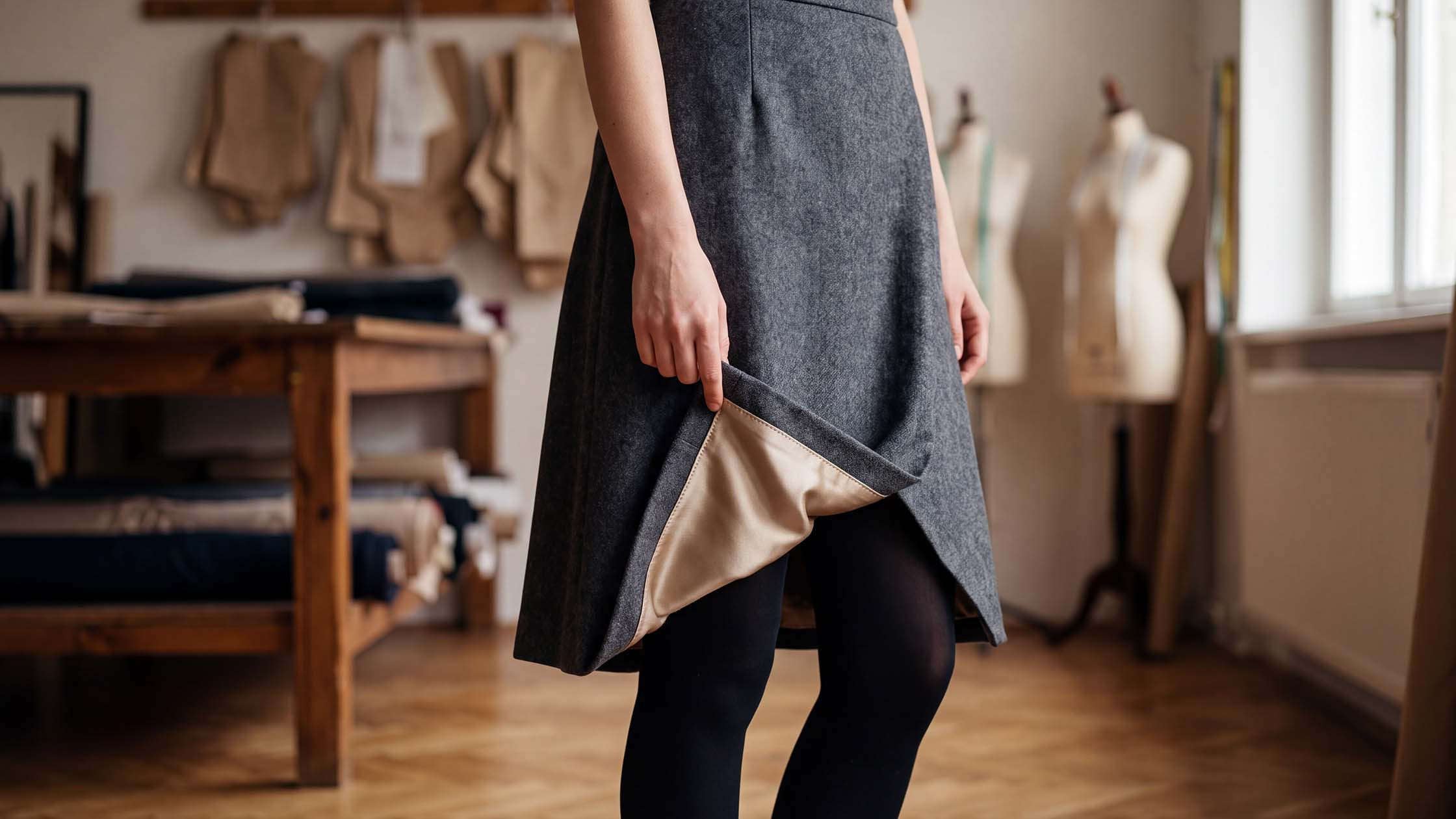
Why woollen skirt fabrics build up static in the autumn-winter season
The build-up of electrostatic charge on fibres
Natural animal fibres have a specific microscopic structure. As you move, the fabric constantly rubs against other surfaces around you. This leads to an exchange of electrons between the fabric and your body or your tights. An electrostatic charge of differing potential is created. The difference in potential causes the two layers of clothing to be strongly attracted to each other. Woollen skirt fabrics are susceptible to this phenomenon because of their insulating properties and pile structure. The accumulated charge cannot discharge freely into the surroundings. The result is an unattractive and uncomfortable cling of the fabric to the figure at every step. Your movements become restricted and the skirt loses its original shape. Understanding this process makes it easier to take the right corrective steps in your sewing room.
The effect of synthetic blends in woollen weaves
Pure wool shows a natural resistance to many external factors. Garment manufacturers often add synthetic fibres such as acrylic or polyester to the yarn. Their job is to lower production costs and increase the durability of the fabric in daily use. These artificial additions drastically change the electrostatic properties of the finished tailored product. Synthetics are excellent insulators and intensify the build-up of charge on the surface of clothes. When wool with a polyester blend rubs against nylon tights, a strong electrostatic field is created. When choosing a fabric for a new sewing project, you must analyse carefully the composition given by the manufacturer. Fabrics with a high content of natural fibres are much better at carrying charge away into the surroundings. This gives higher comfort when wearing the finished winter clothing.
Low air humidity in heated rooms
The heating season brings drastic changes to the microclimate of your home and office. Radiators dry out the air in enclosed spaces. Water is an excellent conductor of electricity and naturally discharges electrostatic tension from the surface of fabrics. A lack of adequate humidity in the air makes this physical process impossible. Charges build up on the surface of your clothes with double the force during the cold months. Stepping from the freezing outdoors into a dry office immediately triggers the problem of the clinging skirt. Controlling the humidity in rooms helps reduce this annoying phenomenon. Air humidifiers are part of the prevention when you care about the comfort of wearing a woollen wardrobe. Changing the conditions around you is the first step towards improving the comfort of your everyday outfits.
Physical phenomena and ambient conditions directly affect how the fabric behaves. Choosing fabrics consciously is the first step towards eliminating the problem of static.
Smooth garment linings as a lasting solution to the problem
Home remedies give short-lived results and often damage the structure of wool. Using a suitable inner layer is the professional approach to tailoring. You will see the difference in wearing comfort as soon as you put on the finished skirt.
How a lining creates an effective anti-static barrier
The inner layer of fabric insulates the wool from direct contact with your tights. Smooth garment linings take on the friction that arises when you walk and sit. The slippery surface minimises resistance and prevents the exchange of electrons between layers of clothing. Electrostatic charges have no chance to build up on the outer woollen fabric. A well-chosen lining acts as a protective buffer for the main fabric of your skirt. As a result the wool falls freely and keeps its natural rhythm in movement. It is the only method that guarantees lasting protection against the skirt clinging to your legs. Your garment gains a professional finish and full functionality in all weather conditions. You will forget the need to use chemical anti-static sprays before leaving the house.
The effect of a lining on comfort and on keeping the shape
Wool can be scratchy in direct contact with delicate skin. An inner layer significantly increases the pleasure of wearing elegant winter clothing. A lining protects the main fabric from bagging at the seat and knees during long hours of sitting in the office. A skirt sewn from soft wool will keep its shape for many seasons without frequent pressing. A smooth fabric makes it easier to put clothes on and take them off in a hurry. This reduces the strain on the seams and extends the life of the whole tailored construction. Professional tailoring always takes this layer into account in autumn and winter projects. Your clothes look flawless whatever the intensity of the day and the weather. You gain confidence and complete freedom of movement in every situation.
What to consider when choosing a fabric for the inner layer
Choosing the right lining requires knowledge of the properties of the various fibres available on the market. You must absolutely avoid cheap polyester substitutes in your projects. Artificial fabrics do not let air through and cause excessive sweating of the skin in heated rooms. Polyester itself builds up a lot of static and will undo all the effort you have put into sewing. Look for fabrics of natural origin or man-made ones based on plant cellulose. Viscose and acetate are the basic choices in everyday practical tailoring. They provide adequate air circulation and do not accumulate annoying electrostatic charges. The weight of the lining must be precisely matched to the weight of the wool so as not to upset the proportions and lines of the skirt. Such a choice of materials shows your professionalism.
Sewing in a suitable inner layer is an investment in the durability of the garment. A professional finish eliminates the problem of static for good.
Natural silk linings: a luxury that eliminates static
The highest quality of tailoring calls for uncompromising materials. Silk is the unrivalled model among lining fabrics. Its physical properties work in perfect harmony with woollen yarn.
Why silk is the ideal companion for fine wool
Wool and silk are fibres of animal origin with a similar protein structure. Natural silk linings show complete electrostatic neutrality in everyday wear. In contact with the body and synthetic tights they do not generate annoying charges. The smooth structure of silk thread gives minimal friction at every movement. Fine wool gains the ideal backdrop that lets it move freely on the figure. Silk does not weigh down the construction of the skirt and gives it the lightness you want. Combining these two materials is a classic solution used in haute couture fashion all over the world. Your sewing projects gain a prestigious character and a flawless look inside and out. Combining these fabrics is a guarantee of the highest quality of workmanship.
Breathability and the excellent thermoregulation of natural fibres
Silk is famous for its remarkable thermoregulating properties, valued by designers. In winter it holds heat close to the body, and in summer it pleasantly cools warm skin. The combination of wool and silk creates an ideal microclimate for your body on cold days. Moisture is efficiently carried away to the outside, which prevents the feeling of thermal discomfort. Synthetic linings form a barrier that air cannot cross and trap perspiration. Silk lets the skin breathe freely in any strongly heated office. It is a hygienic and healthy solution for discerning wearers of premium fashion. The comfort of wearing such a skirt is incomparable with any other material available in shops. You feel fresh and elegant throughout a busy working day.
An investment in quality for years, for the most demanding customers
Creating your own wardrobe is a process that takes time and financial commitment. Using silk for the lining raises the market value of the whole sewing project. This fabric is characterised by great resistance to stretching and to everyday wear. A properly cared-for silk lining will last as many years as the outer layer of thick wool. The cost of buying natural silk is made up for by the complete absence of problems with static in your clothes. Classic skirt cuts sewn from such fabrics do not go out of fashion for decades. You gain confidence in every business situation and at formal social gatherings. A luxurious finish to the inside of a garment is the hallmark of true elegance and attention to detail. Your wardrobe fills with clothes that have the status of an investment.
Natural silk is the best choice for woollen sewing projects. Investing in this fabric guarantees the highest comfort in wearing clothes.
How to sew a lining properly into a finished wool skirt
Upgrading a finished garment takes precision and proper planning. Adding an inner layer will change the functionality of your favourite skirt. The process consists of several logical stages.
Preparing the fabric and choosing the right sewing thread
Before you start sewing, you absolutely must decatise the lining fabric. Pressing the fabric with plenty of steam will prevent it from shrinking in the future after the first wash. Choose thread of the right thickness and strength, matched to the structure of the fibres. For silk and viscose, thin polyester thread with a cotton wrap works best. It gives the seams elasticity and does not cut the delicate fibres under strain. The lining pattern must be a faithful copy of the outer layer of the skirt, keeping the correct proportions. Remember to allow for seam allowances and any darts that shape the figure. Precise cutting is the foundation of a successful sewing project and a guarantee that the garment will fit perfectly. Preparing your workstation properly will speed up the whole assembly process.
Step by step: attaching the lining precisely at the waist
The lining is most often joined to the skirt around the waistband or the inner facing. Pin the two layers right sides together using thin, sharp dressmaking pins. Pay attention to matching the side seams and the darts at the front and back exactly. Sew it all on the machine, taking care to keep the upper and lower thread tension even. After turning the fabric right side out, press the edge thoroughly using a cotton cloth. Add extra topstitching on the lining side to stop it rolling out during wear. Around the zip, the lining should be sewn on by hand with a fine slip stitch. This gives a neat, professional finish to the whole visible detail. The construction gains stability in the critical places.
Ensuring optimal ease and the right length of the inner layer
The lining must not be tighter than the outer woollen layer of the skirt. Any shortfall in circumference will cause the fabric to pucker and drastically restrict your freedom of movement. Add a small pleat with construction ease on the centre back line when cutting. The length of the lining is another extremely important element of the whole design process. The inner layer should be two to three centimetres shorter than the skirt along its whole circumference. This prevents the fabric from showing unattractively when you sit down or lean forward. Finish the hem of the lining with a narrow machine hem or a slip stitch. This guarantees that the fabric falls freely and that there is no tension at the bottom of the garment. The whole shape falls flawlessly on your figure.
Sewing in a lining carefully requires a knowledge of tailoring techniques. The result of your work will be a skirt that sits perfectly on the figure.
FAQ: the most frequently asked questions about static in woollen clothes
Customers are looking for quick answers to the sewing problems that trouble them. The summary below explains the most common doubts about wearing a winter wardrobe. This knowledge will make your everyday fashion decisions easier.
Does every woollen fabric build up static in contact with tights
Susceptibility to static depends on the exact fibre composition of the particular fabric. Pure merino sheep's wool or cashmere rarely generate strong electrostatic charges in natural conditions. The problem appears when cheap synthetic fibres are added to the yarn. Polyester and acrylic act like a magnet for the charges produced by friction against other surfaces. The rough weave of thick wool also increases friction against the smooth surface of nylon tights. Smooth worsted fabrics cause much less trouble in daily heavy use. Always read the composition labels before finally buying a fabric or a finished garment in a shop. Investing in one hundred per cent wool minimises the risk of the skirt uncomfortably clinging to your legs. Conscious shopping protects you from fashion mishaps.
Do smooth garment linings need different care from wool
Caring for lined clothing means adapting your methods to the most delicate fibre in the whole composition. Wool needs washing at low temperatures and drying flat in an airy place. A silk lining does not tolerate strong detergents and a hard spin in a standard washing machine. The safest way to clean such garments is professional dry cleaning at a trusted cleaner's. At home, use only gentle liquids intended specifically for wool and silk. Avoid drying clothes on hot radiators or in mechanical tumble dryers. Sudden changes in temperature damage the structure of both materials and cause irreversible shrinking. Always iron through a cotton cloth, using plenty of steam. This ensures that all creases are smoothed out safely.
Which lining fabric works best in a harsh winter
Choosing a lining for winter should take account of the natural insulating properties of specific fibres. Natural silk is unquestionably the best solution for the freezing, windy months. It holds the heat given off by your body and protects against the body getting chilled. Heavier viscose is a good and popular alternative to more expensive silk. It forms an effective barrier against the cold and does not build up static in contact with thick tights. Avoid thin acetate, which will work much better in spring and summer projects. A well-chosen inner layer raises the overall thermal comfort of the whole winter outfit. Your wool skirt will become a favourite piece in your everyday wardrobe for the coldest days. You will secure warmth and a flawless look.
Understanding the properties of fabrics lets you build your own style consciously. Proper care guarantees the longevity of woollen clothes.