

- today
- label News
- favorite 0 Likes
- remove_red_eye 1820 Visits
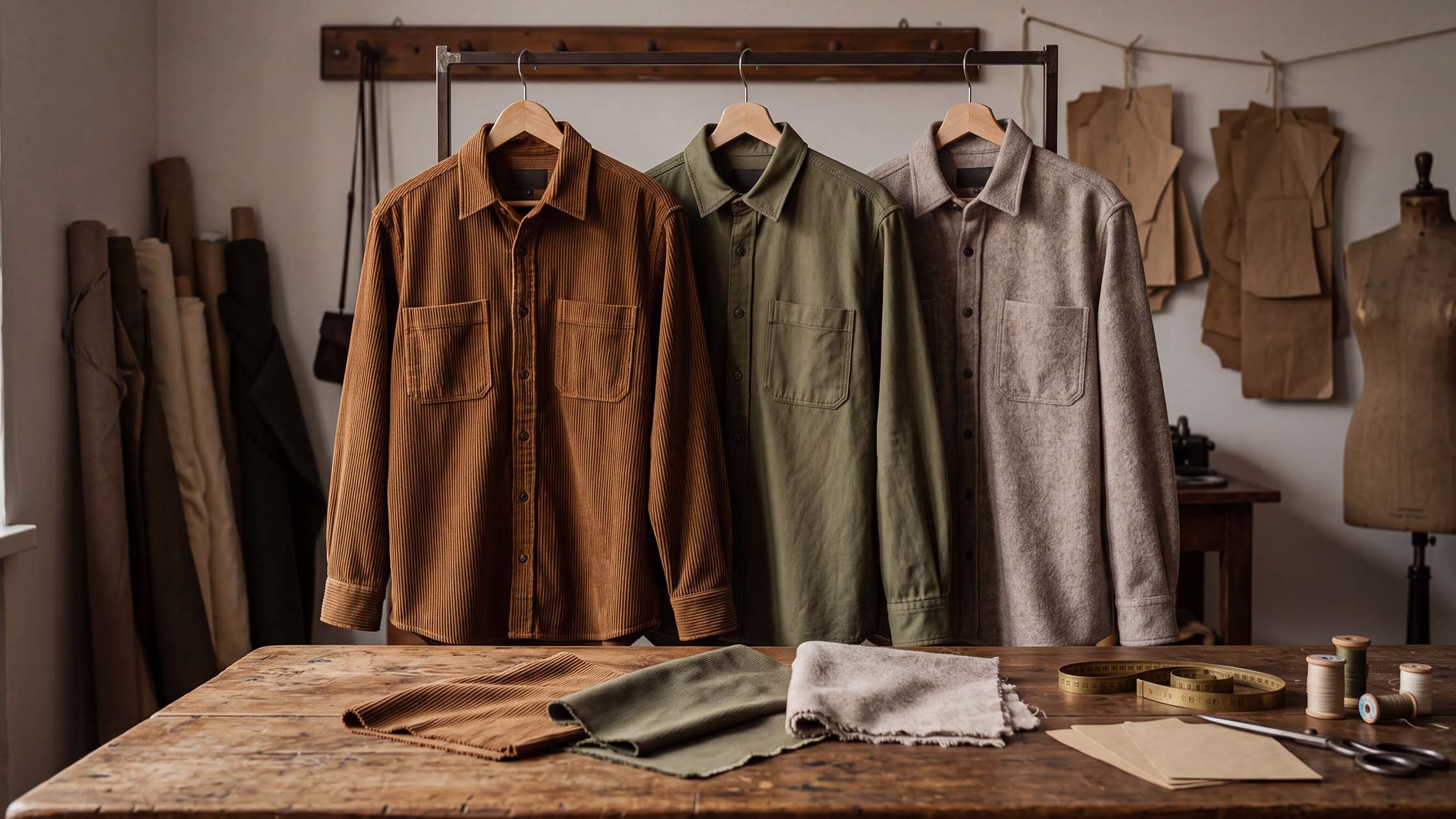
An overshirt for autumn: what exactly is it and why must you have one?
How does an overshirt differ from a classic shirt and an autumn jacket?
An overshirt is a clothing hybrid created with layering in mind. A classic shirt fits close to the body and calls for thin fabrics. An overshirt has a looser cut and lets you wear a jumper or a thick T-shirt underneath. An autumn jacket often restricts movement and imposes a sporty style. An overshirt keeps the elegant collar and cuffs familiar from traditional shirts. This construction gives you enormous freedom in styling. You wear it to the office instead of a blazer and for weekend walks. This garment comes from the work clothes worn by labourers at the beginning of the twentieth century. Modern versions have kept the practical, large chest pockets. It is an extremely functional piece for your wardrobe, and you can sew it yourself using the right fabrics.
The importance of the right weight for keeping the shape
Fabric weight is the most important parameter when planning to sew an overshirt. A fabric that is too thin will make the garment lose its characteristic shape and start to resemble an ordinary shirt. A material that is too thick will make it hard for you to finish details such as the collar and cuffs precisely. The optimal weight of fabric for an overshirt is between three hundred and four hundred grams per square metre. Such a thickness guarantees that the garment will hold its form and hang properly on the figure. Stiffer fabrics stand up better to frequent washing and heavy use. Pay attention to the technical description in the online shop before adding a product to your basket. The right weight makes it easier to stitch evenly on a household machine. This way you will avoid puckering of the seams over long runs.
Wool for autumn clothes: a synonym for luxury and dependable warmth
Natural fibres guarantee the highest thermal comfort in the cold months. Wool for autumn clothes is an excellent choice for people who value elegance and durability. Thanks to it, your overshirt will gain a noble look.
The thermal properties and breathability of natural wool
Wool has a unique fibre structure that traps air. It acts as a natural insulator that protects your body from low temperatures. The fabric lets the skin breathe freely and carries excess moisture away to the outside. This way you avoid overheating in heated rooms. A wool overshirt will work superbly on morning frosts and warmer afternoons. This fabric rarely creases and quickly returns to its original shape. Clothes sewn from good-quality wool will serve you for many seasons without losing their shape. Wool fibres are resistant to dirt and do not absorb odours from the surroundings. Washing less often extends the life of your garment and saves you time. It is a practical solution for every day.
Exclusive cashmere as a suggestion for the most demanding
Cashmere is the most delicate variety of wool on the market. The fibres obtained from Kashmir goats are characterised by extraordinary softness and lightness. An overshirt sewn from this material will give you a luxurious experience when wearing it. Cashmere is three times warmer than traditional sheep's wool at a much lower weight. This fabric reflects light beautifully and gives garments a deep, rich colour. Sewing with cashmere requires caution and suitably fine needles. The end result rewards all the difficulties met at the sewing machine. An overshirt with a touch of cashmere is an investment in timeless elegance. Such a piece of wardrobe will raise the standing of any autumn outfit.
Corduroy and denim fabrics: timeless durability and urban style
Fabrics with a distinct texture fit the autumn mood perfectly. By choosing corduroy and denim fabrics, you opt for durability and a distinctive character. These fabrics stand up superbly to everyday use.
The great return of corduroy to the leading trends of 2026
Corduroy is dominating again in the designs of well-known fashion houses and on city streets. The characteristic wales add three-dimensionality and depth to garments. The thickness of the wales affects the final look of your overshirt. Fine corduroy suits elegant projects worn to the office. Thick wale works well in casual weekend outfits. This fabric is extremely resistant to abrasion and mechanical damage. A corduroy overshirt becomes more attractive with time and acquires a unique patina. Sewing this material requires you to keep one nap direction on all the cut pieces. Otherwise the individual parts of the garment will differ in shade under the light.
Denim as a versatile base for autumn sewing projects
Denim is a fabric of unmatched versatility and durability. A heavier denim is perfect for an autumn overshirt. This fabric holds the shape it is given very well and does not deform easily. You can easily combine a denim overshirt with other items in your wardrobe in different colours. Dark navy denim goes with smart trousers and leather shoes. Light shades go very well with white T-shirts and sports footwear. Before you start cutting, you must pre-shrink the fabric in warm water. Denim tends to shrink considerably in its first wash. Using thicker thread for topstitching will underline the raw character of your project.
Plain cotton fabrics: classic minimalism at its best
Simple shapes call for fabrics of excellent quality and structure. Using plain cotton fabrics, you will create a garment that suits every occasion. It is a safe and stylish choice.
Thick twill cotton or flannel for transitional weather
The diagonal weave known as twill gives cotton exceptional durability. The slanting ribs visible on the surface of the fabric increase its resistance to creasing. Thick twill cotton protects very well against the autumn wind and cold. Cotton flannel is another great option for an overshirt. The delicate nap on its surface holds warmth close to the body. These fabrics are extremely pleasant to the touch and do not irritate the skin. Sewing with thick cotton causes no problems even for beginners. The fabric does not slip under the presser foot and presses easily. It is an ideal material for learning how to finish collars and cuffs precisely.
How to choose a cotton fabric so that the overshirt keeps its stiffness?
The stiffness of the fabric decides how the finished outer garment looks. Pay attention to the density of the weave given in the product specification. Tightly woven cotton will keep its form better and will not droop at the shoulders. Avoid fabrics with a large admixture of elastane, which cling too closely to the figure. An overshirt must have a loose cut that allows free movement. Choose fabrics weighing over two hundred and fifty grams. Fusing the collar and the button band with suitable interfacing will stiffen these parts further. High-density cotton is less prone to pilling in places exposed to friction. Your overshirt will keep a flawless look for a long time.
Where to buy the highest-quality fabrics for sewing an overshirt?
Choosing the right supplier is half the success of your sewing project. A reputable online shop provides access to fabrics with a confirmed composition and properties. Ordering online saves you time.
An offer of premium fabrics dedicated to passionate seamstresses
Shops specialising in premium fabrics offer a wide choice of natural fibres. There you will find precise descriptions of the properties of each fabric and its exact composition. High-resolution photos make it easier to judge the texture and thickness of the fabric. When you buy from a trusted place, you can be sure you will receive a product that matches the specification. Professional sales staff are happy to advise on choosing the right weight for a particular pattern. Access to exclusive collections lets you create unique clothes that are not available on the high street. Investing in a more expensive fabric translates into a longer life for the garment you sew. The work you put into sewing deserves the best presentation.
Fast international shipping and safe deliveries to Germany
Ordering fabrics from another country is no problem these days. Good online shops offer clear rules for shipping abroad. The cost of delivery to Germany and other European countries is clearly stated in the basket. The checkout process runs smoothly and with no hidden charges. Secure payment gateways guarantee the protection of your financial data. Cooperation with reputable courier firms ensures that the parcel is delivered quickly to the address you give. Being able to track your shipment gives you full control over the status of your order. You receive the fabrics you have chosen straight to your sewing room without leaving home.