

- today
- label News
- favorite 0 Likes
- remove_red_eye 7571 Visits
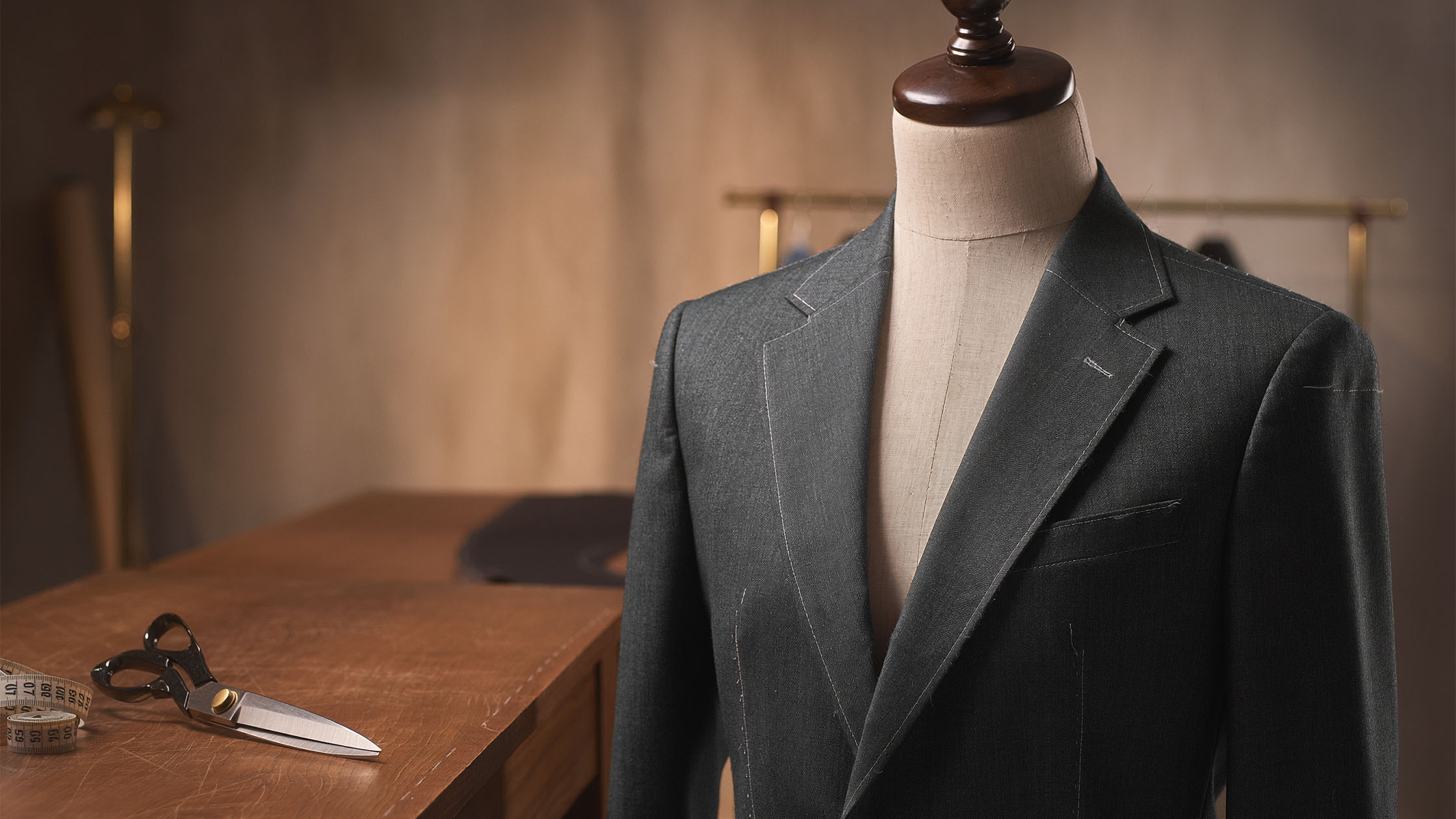
Why the classic jacket is a timeless wardrobe piece
A well-cut blazer is the foundation of a woman's wardrobe. Making such a garment yourself gives you full control over the final result.
Elegance that never goes out of fashion
Traditional styles resist passing trends and serve for many seasons. By choosing proven cuts you invest your time in a project of lasting value. Such clothing works superbly at official business meetings and in more relaxed social situations. A suitably fitted shape emphasises the figure's assets and adds confidence in any situation. A classic defends itself, whatever fashion currently prevails.
Made-to-measure tailoring as a sustainable alternative to fast fashion
Making your own clothes is a conscious step towards an ecological approach to fashion. You avoid mass production and choose the slow process of making a garment. Sewing for yourself teaches respect for the material and for human handiwork. You wear such a garment much longer and replace it with a new model less often. In this way you reduce the amount of textile waste and look after the natural environment.
An investment in quality and in emphasising your own style
Clothing you have sewn yourself allows full personalisation of every detail. You choose the perfect shade of weave and match the buttons to your favourite jewellery. No one else will have an identical piece in their wardrobe. You use top-class raw materials not available in the popular high-street chains. You create a unique work of applied art that reflects your personal taste.
A classic cut combined with excellent workmanship guarantees satisfaction in wearing. It is a project that takes patience and gives spectacular results.
Choosing the ideal Chanel-style material for your dream project
The right choice of fabric decides the success of the whole undertaking. Learn the properties of the individual weaves before making your final decision.
Characteristic features of authentic bouclé yarn and jacquard
Original weaves stand out for their irregular, looped surface structure. Such a construction gives the fabric remarkable softness and plasticity when shaping. Bouclé yarn consists of many fibres of different thickness twisted together. Jacquards offer rich, raised patterns woven directly into the structure of the material. These specific properties call for suitable treatment throughout the whole sewing process.
Wool, cotton or luxury blends – what will work best
Pure wool holds warmth superbly and responds very well to heat treatment. Cotton variants provide breathability and are ideal for the warmer months. An addition of silk or cashmere gives the surface a noble sheen and incredible softness. When choosing Chanel-style material pay attention to the proportion of natural fibres in the composition. The right blend will guarantee you wearing comfort and durability of the finished garment.
The latest tailoring trends straight from the catwalks for the 2026 season
Current collections bet on bold colour combinations and metallic threads. Designers readily weave shiny elements and sequins into traditional weaves. Looser, slightly oversized shapes that refer to the men's wardrobe are becoming fashionable. Short, boxy styles that show the waist are also coming back. Following these tendencies will let you sew a modern interpretation of a classic garment.
Knowing the properties of the yarn will make your work easier at every stage. A good raw material is half the success in made-to-measure tailoring.
How to recognise premium fabrics before you start cutting
Judging the quality of the raw material protects you from disappointment during work. Use simple methods of checking before you put the shears in for the first time.
Analysing the composition and density of the weave on the bolts of fabric
Read the labels carefully and check the percentage of the individual fibres. A high content of natural raw materials is a sign of a good-class product. Look closely at the density of the weave against the light, judging its compactness and evenness. A structure that is too loose will cause huge problems when sewing and wearing. Reputable suppliers always give the exact technical parameters of their products.
The crease test and judging how softly the fabric falls
Squeeze a piece of material in your hand and watch how it reacts when you let go. High-grade fabrics quickly return to their original shape. Drape a piece over your shoulder and see how naturally it falls and ripples. A stiff, unyielding surface will make it hard to ease the sleeve head in properly. A fine raw material should work with your hands and give softly to shaping.
Safe shopping and international delivery of high-grade materials
When ordering raw materials online, choose shops with an established position in the market. Look for clear shipping rules for countries of the European Union. Professional sellers pack orders carefully, protecting them from moisture and damage. Check the available parcel-tracking options and the expected order fulfilment time. A reliable source of supply is a guarantee of receiving a product that matches the description and photos.
The ability to judge quality will protect you from costly mistakes. Invest only in proven, reliable raw materials.
Essential tools and accessories for making a professional jacket
Suitable equipment in your workshop significantly speeds up and eases the work. Putting together tools is an important stage of preparation for sewing.
Choosing suitable silk thread, needles and sharp shears
For sewing luxury fabrics, use strong, smooth silk thread. Match the thickness of the machine needle to the specifics and density of the weave being worked. Invest in heavy, sharp tailor's shears used only for cutting materials. Blunt blades will tear the edges and ruin the structure of the delicate yarn. Precise cutting is the basis for correctly assembling the whole construction.
Types of interfacing and tapes that shape the line of the cut
Flexible woven interfacings stabilise large areas superbly while keeping their softness. Straight-grain tapes secure armholes and necklines against stretching. Match the thickness of the interfacing to the weight and stiffness of the outer material. An interfacing that is too stiff will completely ruin the natural handle and drape of a luxury wool. Proper stabilisation is the foundation of the durability of your project.
Luxury haberdashery and jewel-like finishing buttons
Details give the garment you have sewn its final character. Look for metal buttons with decorative embossing or enamelled fills. Use decorative tapes and chains to weight the hem of the blazer. Carefully chosen haberdashery raises the visual value of the finished product. Treat these small elements as an integral part of your tailoring work.
Good tools work together with you and forgive small mistakes. Do not economise on the basic equipment of your workshop.
Preparing the pattern and safely cutting demanding jacquard
The cutting stage requires maximum concentration and precision. Mistakes made at this point are hard to put right.
Proper decatising of the material before cutting
Natural fibres tend to shrink under the influence of moisture and temperature. Carry out decatising using plenty of steam from the iron. Leave the material to dry and cool completely on a flat surface. Skipping this step will cause the finished garment to deform after the first wash. A surface prepared in this way is ready for the patterns to be laid out safely.
Precisely matching the check pattern at the joining seams
Lay the paper patterns on the right side of the material, checking the arrangement of the lines. Pay particular attention to matching the pattern at the side seams and the centre back seam. The sleeves must continue the horizontal lines running through the body smoothly. Use plenty of pins to stabilise the layers before cutting. Perfect pattern matching is what distinguishes made-to-measure tailoring from mass production.
Proven methods for securing fraying edges
The loose weaves of bouclé shed threads instantly once cut with scissors. Secure all the edges with an overlock stitch immediately after cutting out the pieces. You can also fuse the edges with narrow strips of thin interfacing. Handling the cut pieces gently prevents them deforming. Clean, secured edges will make it easier for you to sew the construction together precisely.
Accuracy when cutting pays off at later stages of work. Give this process enough time.
Stabilising the construction to keep the perfect shape
The internal skeleton is responsible for the final look and durability of the garment. Fusing the pieces correctly is an art that takes feel.
Key areas of the body that need fusing with interfacing
The entire jacket fronts need support from a flexible interfacing. Fuse the side panels and the upper part of the back around the shoulder blades too. Use extra reinforcement where pockets are inserted and at the button fastening. Such a step prevents the material bagging out during everyday wear. In this way you build a solid base for the whole construction of the garment.
Reinforcing the shoulder line, the neckline and the armholes
These areas are exposed to the greatest strain and stretching. Press narrow shaping tapes along the neck edges and the armhole lines. Secure the shoulder seams against deformation under the weight of the sleeves. Suitable reinforcement of these strategic points guarantees that the original style is kept. The construction will stay stable even after many months of intensive use.
Tailoring tricks that prevent clothes deforming in wear
Use cotton tapes to stabilise the roll line of the lapels. Sew small weights into the bottom corners of the fronts so the garment falls nicely. Use an additional layer of thin organza in places prone to creasing. These techniques derive from traditional tailoring and give a flawless look. Your project will keep perfect proportions whatever the situation.
A solid internal construction is the secret of clothes of the highest quality. The work put into stabilisation is invisible from the outside but felt in wear.
Sewing the body together step by step
Joining the prepared pieces takes care and patience. Follow the correct order of sewing the seams.
Correct and invisible joining of the side seams and the back
Pin the pieces at right angles to the line of sewing to prevent the layers shifting. Guide the material under the machine's presser foot without stretching it unnaturally. Pay attention to the lines of the pattern matching perfectly on the edges being joined. Press open every seam you make flat using a wooden tailor's clapper. Neat seams are what make the professional finish of the whole project.
Controlling construction ease for complete freedom of movement
Measure the circumferences of the joined body and compare them with your own measurements. Leave a suitable allowance of room for breathing freely and moving your arms. Clothing that is too tight restricts movement and causes unsightly creasing. A shape that is too loose upsets the proportions of the figure and looks sloppy. The ideal balance between fit and comfort is the goal of every seamstress.
Tacking as the secret of perfectly laying thick material
Thick, fluffy weaves often shift under the presser foot of the machine. Take the time to tack all the important joining lines by hand. Use a contrasting thread so that it is easy to remove after machine stitching. Tacking gives you full control over how difficult fabrics lie. This traditional step eliminates frustration and the need to keep unpicking wrong seams.
Careful sewing of the body gives your blazer its final shape. Check the quality of every line of stitching.
Shaping darts and precisely fitting to the figure
Darts give flat fabric a three-dimensional shape. Shaping them correctly is the foundation of a garment that sits well.
Shaping bust darts for different types of female figure
Point the tip of the dart exactly towards the highest point of the bust. End the stitching with a gentle curve, avoiding unsightly dimples in the material. The depth of the dart depends on the difference between the chest circumference and the circumference under the bust. A larger bust needs a deeper gathering of material to achieve a smooth surface. A correctly sewn dart becomes completely invisible on the right side.
Waist shaping of the jacket to achieve perfect proportions
Take in the excess material in the side seams and the vertical darts on the back. Match the degree of waist suppression to your individual body type. Remember to keep smooth transition lines between bust, waist and hips. Over-sharp suppression will make the bottom of the garment fall unnaturally. Skilful waist shaping slims the figure visually and gives it the desired hourglass shape.
Carrying out the key check fitting before setting in the sleeves
Put the tacked body on over the underwear and blouse you will wear with it. Check the position of the shoulders, the depth of the armholes and the overall balance of front and back. Make the necessary corrections by unpinning and re-pinning directly on the figure. Mark the new sewing lines with tailor's chalk before taking the garment off. A fitting at this stage helps you avoid disastrous construction mistakes.
Fitting to the figure is the greatest advantage of made-to-measure sewing. Use this stage to create the perfect shape.
Construction and flawless setting-in of troublesome sleeves
Sleeves are the biggest challenge for people sewing outerwear. The right technique makes this difficult task easier.
The technique of easing the sleeve head without unsightly gathers
Stitch the upper part of the sleeve head with two parallel lines of loose stitch. Gently pull the threads to form a three-dimensional shape matching the armhole. Ease in the excess material using plenty of steam and a tailor's ham. A smooth, rounded sleeve head is the hallmark of high-class tailoring. Set the sleeve in slowly, controlling how the material lies under the presser foot.
Correctly positioning and attaching shoulder pads
Pads model the shoulder line and support the construction of the sleeve head. Sew them by hand to the seam allowances inside the armhole. The edge of the pad should protrude slightly beyond the line of the shoulder seam. Match the thickness of the padding to the natural build of your shoulders and the chosen style. A well-attached pad stays invisible and does not shift in movement.
Checking the right hang angle and the final length of the sleeve
The sleeve should hang freely downwards, angled slightly towards the front. Check how it hangs during the fitting, standing in a natural, relaxed position. Mark the final length so that the cuff covers the wrist bone. A sleeve that is too short upsets the proportions and one that is too long looks inelegant. The correct hang angle guarantees no diagonal creases in the material.
Perfectly set-in sleeves show your tailoring skill. Do not be discouraged if the first attempt needs corrections.
An inside with class, or how to sew in plain linings
The inside of a blazer must look just as neat as its outer side. The lining hides the seams and makes the garment easier to put on.
Differences between natural silk and luxury acetate
Silk offers unmatched softness and excellent thermoregulating properties. Acetate is a great alternative that breathes and resists static. Avoid cheap polyester substitutes that block the flow of air and cause sweating. Choose materials with a slippery surface that makes it easy to slip your arms into the sleeves. A good lining material raises the wearing comfort of the finished product.
Joining the lining to the facing and the main body of the jacket
Put the pieces together with right sides facing and pin them precisely. Sew the layers slowly, avoiding puckering of the thin lining material. When using smooth linings remember to leave a pleat for ease of movement at the back. Clip the seam allowances on curves so that everything lies perfectly flat. A clean join of the layers shows the care taken over the project.
Hand finishing the hem to keep full flexibility of the layers
Sew the bottom of the lining to the hem turn-up of the main material using a loose blind stitch. Leave a small fold of material so that the outer layer is not pulled. Hand finishing gives flexibility and freedom of movement to both layers of fabric. Use the same technique when finishing the bottom of the sleeves. Careful hand sewing is a characteristic of clothes from the top shelf.
A beautiful inside is a reason for pride for every seamstress. Finishing the lining takes precision and patience.
Tailoring details inspired by haute couture designs
Embellishments give a blazer a unique, luxurious character. Use the traditional techniques known from Parisian fashion houses.
Creating characteristic fringe from your own base fabric
Cut strips of material along the straight grain to the width you want. Gently pull out the horizontal threads, leaving the vertical warp forming the fringe. Stitch the edge with a dense machine stitch to protect the trim from further unravelling. Sew the finished strips along the edge of the front opening and on the pockets. Such a finish fits classic forms made of bouclé wool perfectly.
Hand sewing on decorative braided tapes and gold chains
Use an invisible hand stitch to attach haberdashery on the edges of the garment. Sew a heavy gold chain at the very bottom of the inside of the back. The chain weights the material and makes sure the blazer always lies perfectly. Choose the colours of the tapes carefully to match the shades woven into the main yarn. These small touches raise the visual value of your project.
Traditional and extremely neat working of buttonholes
Give up machine-worked buttonholes in favour of traditional handwork. Use thick silk thread and a dense buttonhole stitch around the slit. You can also make elegant bound buttonholes from a thin material. Hand-finished fastenings make the luxurious character of made-to-measure clothing. It is a detail that instantly catches the eye of fashion connoisseurs.
Details decide how your work is finally received. Give them as much attention as the main construction.
Final shaping and professional pressing of the finished garment
Pressing is the last step that gives clothing a professional look. Use the iron with care so as not to ruin the results of your work.
Using tailor's hams for pressing three-dimensional shapes
Never press rounded elements on a flat board. Use firm hams to shape the sleeve head and bust darts. Shape the material over rounded surfaces, keeping its three-dimensional form. Hams prevent flat creases and sharp edges forming on soft wool. Professional equipment makes it easier to achieve the perfect result.
Safe pressing of seams dry and with intensive steam
Use a damp cotton cloth that protects the luxury yarn from shine marks. Introduce plenty of steam, loosening the fibres and laying them in the desired direction. Press the opened seams with a wooden clapper that takes away moisture and heat. Avoid sliding the iron over the material, setting it down at the spot being pressed. The right technique guarantees flat, invisible joins.
Cooling hot wool on a mannequin to set the shape permanently
Transfer the blazer, heated with steam, straight onto a tailor's mannequin. Leave it in that position until the fibres are completely dry and cool. Wool remembers the shape in which it cools, guaranteeing the durability of the form it has been given. Ignoring this step will cause the shaped curves and folds to be lost. Proper cooling is the secret of clothes that keep their style for years.
Perfect pressing is the cherry on the cake in the sewing process. Your project is now ready to wear.
What to wear the finished jacket with in modern outfits
A classic form gives enormous styling possibilities. Combine the piece you have sewn with different parts of your wardrobe.
An elegant total look with a classically fitted skirt or trousers
Pair the blazer with a pencil skirt sewn from the same material. Such a set creates an extremely professional and coherent business image. Choose high-waisted, wide-legged trousers to keep modern proportions. Complete the whole with leather court shoes and minimalist jewellery. It is a safe and always on-target solution for official outings.
Light, airy viscose for blouses as the ideal backdrop for a striking top layer
Soften the weight of the woollen weave with delicate fabrics underneath. Fluid viscose for blouses will create a beautiful contrast to the thick, fluffy yarn. Choose simple strappy tops or shirts with a tie at the neck. The smooth surface of the blouse will show off the rich texture of your main project. Such a combination gives comfort and an excellent look all day.
Breaking office classics with casual denim and a basic T-shirt
Put a luxury blazer on with your favourite jeans and a white T-shirt. Roll the sleeves up slightly and add leather loafers or sporty sneakers. Such an outfit works very well for weekend get-togethers and nights out. Combining elegance with everyday ease is the mark of a modern style. In this way you make use of the potential of your garment in many different situations.
Your project goes with most of the clothes in your wardrobe. Experiment and create your own unique combinations.
Care and storage of clothing made from luxury materials
Proper care of the garment you have sewn extends its life. Follow proven rules for the maintenance of premium clothing.
Why professional dry cleaning of jacquards is the only safe option
The complex construction and natural fibres tolerate contact with water in a washing machine badly. Washing in water causes the interfacings to deform and the wool to shrink. Take your clothes only to trusted, experienced dry cleaners. Tell the staff about the specifics of the material and the embellishments used before handing the garment in. Professional cleaning guarantees that the original shape and colour are kept.
Natural and effective ways of protecting wool from moths and damage
Store the blazer on wide, contoured hangers that prevent the shoulders bagging. Hang sachets of dried lavender or cedar blocks in the wardrobe to repel pests. Keep rarely worn clothing in breathable cotton garment bags. Air the wardrobe regularly and go through your clothes checking for insects. Proper storage protects your work from destruction.
Quickly refreshing worn clothes with steam in the comfort of your home
Hang the garment in a steamy bathroom after a hot shower. Use a handheld steamer to smooth small creases formed during wear. Hot steam kills bacteria and removes unpleasant odours without the need for washing. Leave the clothing to dry completely before putting it back in the wardrobe. It is a safe and quick way to keep your clothes impeccably clean.
Caring for clothes you have sewn yourself is an expression of respect for your own work. Follow these rules and your project will last for years.
FAQ – Frequently asked questions about sewing jackets yourself
We dispel the last doubts about working with difficult materials. Here you will find answers to common tailoring problems.
How many metres of material do I need for a classic double-breasted style?
A standard style needs about two to two and a half running metres of fabric. If your material has a large check, you must add an extra half metre for matching the pattern. Double-breasted styles use more material because of the wide overlap of the fronts. Always buy ten per cent more material than the pattern instructions assume. The extra saves the situation in the event of a mistake in cutting.
Can a standard home machine cope with thick bouclé wool?
Most modern home machines cope with thicker weaves without a problem. Use needles in size ninety or one hundred and lengthen the machine stitch length. Help the machine over thick areas by gently turning the handwheel by hand. Avoid sewing over thick pins, which can break the needle and damage the mechanism. A clean, oiled machine is the basis of smooth work with any raw material.
How to safely rescue a wrongly cut lining before the final setting-in
If the lining has come out too tight, unpick it and add gussets in the side seams. Use strips of the same material or a contrasting decorative tape. A lining that is too loose is easily corrected by deepening the darts or joining seams. Remember that the inner layer must always be slightly looser than the outer material. Small mistakes inside the garment are easy to disguise and repair.