

- today
- label News
- favorite 0 Likes
- remove_red_eye 1486 Visits
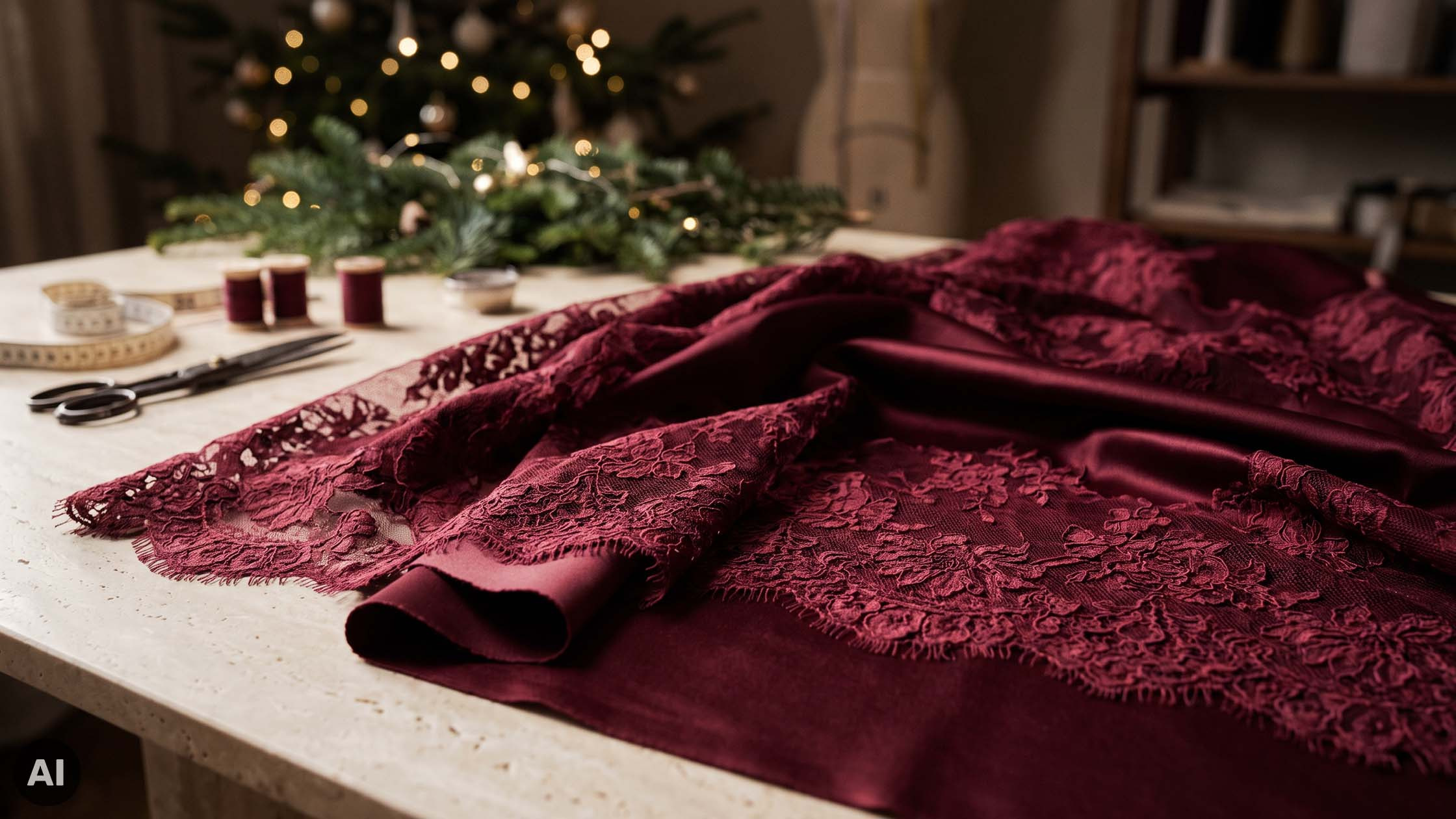
A lace dress for Christmas 2026: why the right underlayer is the foundation
Comfort during long Christmas Eve gatherings
Sitting at the table for hours calls for fabrics that are kind to the skin. Stiff fabrics that do not let air through cause discomfort. Your skin must breathe freely all evening. A well-chosen underlayer removes the problem of chafing and pressure. Elastic fibres adapt to the body and follow your every movement. You gain confidence and complete comfort at family celebrations.
Keeping your class and the right dress code on important occasions
Christmas gatherings set certain bounds of elegance. A dress that is too sheer upsets the proportions and distracts from the style. An underlayer hides your underwear and shapes the figure. In this way you create a cohesive, refined whole. A well-cut base shows your professionalism and your knowledge of the rules of classic fashion. You avoid fashion mishaps and gain the image of someone who cares about detail.
Choosing the right underlayer is an investment in your flawless look.
What characterises high-quality garment lace for special occasions
You recognise fine fabrics by the precision of the workmanship and by how well they keep their shape. Cheap substitutes quickly lose their original charm.
Durability of the weave and delicacy of the finish
High-quality fabrics are made with care for every detail. A dense, even weave prevents threads from snagging in wear. The edges are carefully finished and do not fray after the first wash. Such a structure guarantees the longevity of your garment. Touching the fabric, you feel its softness and flexibility. Hard, rough textures indicate that low-quality yarn was used.
The most popular lace patterns in the festive season
This season botanical motifs and geometric arabesques dominate. Large floral appliqués catch the eye and give the dress a three-dimensional character. Small, dense patterns work superbly in fitted styles. Designers readily draw inspiration from past eras. Classic French weaves are coming back into favour in refreshed proportions. You choose a pattern matched to your figure.
An investment in a good outer fabric calls for an equally well-considered base.
Sheer lace fabric: how to effectively hide what should stay covered
An openwork structure calls for a strategic approach to layers. You have two main tailoring solutions to choose from.
Using an integrated lining
Sewing the fabric in permanently is the most popular method of constructing dresses. The underlayer is perfectly matched to the style of the dress. You avoid the problem of the fabric shifting as you walk. The seamstress joins the two layers precisely along the side seams and the neckline. You get a garment that is ready to put on. This solution works best in complicated, fitted cuts.
A separate slip as a versatile alternative
An independent underlayer gives you enormous flexibility in styling. You can use one slip for several different dresses. You change the colour of the underlayer to suit your mood and the occasion. A slip makes it easier to wash and care for the delicate outer layer. You wear it under looser styles and empire-line models. It is a practical solution for people who value versatility in their wardrobe.
Choosing the method depends on your preferences and your sewing skills.
Silk linings for elegant garments – a luxurious choice under lace
When you look for the highest quality, you reach for natural fibres. This material is synonymous with luxury and unrivalled comfort.
Why silk is the best investment in comfort
Natural yarn works perfectly with human skin. The fabric is extremely light and almost imperceptible on the body. The smooth surface prevents the outer layer from building up static. The dress falls smoothly and does not cling to the legs. You are investing in durability and timeless elegance. Such a base raises the standing of the whole outfit and gives you luxurious sensations.
The breathability and natural properties of silk
These fibres have the ability to regulate temperature. They cool your body in warm rooms and hold heat in on colder days. The skin breathes freely, which removes the problem of perspiration. The fabric absorbs moisture and quickly evaporates it. Hypoallergenic properties protect sensitive skin from irritation. You feel fresh and comfortable whatever the temperature around you.
How to care for silk underlayers in evening gowns
Caring for natural fibres takes delicacy and attention. You wash them only by hand, in cool water with a mild liquid. You avoid rubbing and wringing the fabric hard. You dry them flat, away from direct sources of heat. You iron on the wrong side at a low iron temperature. Proper care extends the life of the fabric by many years.
The effort you put into care pays off in an impeccable look.
The best evening dress fabrics to combine with an openwork texture
Choosing the underlayer depends on the visual effect you want. Different weaves give the garment a different finish.
The subtle sheen of satin and its role in styling
A shiny surface reflects the light beautifully and sets off the pattern of the outer layer. A satin underlayer adds depth and three-dimensionality to the dress. The smooth texture means the openwork fabric glides freely over it. It is an ideal choice for big nights out and formal dinners. The sheen underlines elegance and gives the whole a luxurious character. Your dress gains in definition and attracts glances.
Stretch knits for complete freedom of movement
Stretchy fabrics are a lifesaver for fitted styles. Fibres with a touch of elastane work together with your body. You gain a full range of movement with no risk of splitting seams. The knit wraps the figure softly and does not form unsightly folds. It is an excellent option for dance parties and long receptions. In this way you combine a flawless look with maximum comfort in wear.
Match the properties of the fabric to the character of the planned event.
Choosing the colour of the lining for a lace dress: contrast or a perfect match
The colour of the underlayer radically changes how the whole dress is perceived. The colour decision is the basis of a successful project.
Classic tone-on-tone combinations for complete elegance
An identical shade in both layers is a safe and refined choice. Such a composition creates a cohesive, uniform block of colour. The pattern becomes subtle and visible only from close up. It is the ideal solution for formal gatherings and official Christmas Eve dinners. The figure looks slimmer and taller. You can be sure your outfit follows the rules of classic elegance.
Bold contrasts that deliberately highlight the lace pattern
Pairing a light underlayer with a dark outer layer strongly shows off the details. Every element of the weave becomes clearly visible. It is a suggestion for people who like bold, modern solutions. Contrast adds dynamism and a modern edge to the garment. It works superbly with geometric and large motifs. Your dress becomes the focal point of the whole outfit.
Flesh-toned nude shades that create the illusion of bare skin
A base in the colour of your own skin has been a hit in recent seasons. It creates a sensual effect of transparency while preserving complete modesty. You choose the shade that matches your complexion perfectly. The pattern seems to float directly on the body. This solution requires the style to be fitted precisely to the figure. You achieve a spectacular result, ideal for New Year's Eve balls.
Using colour consciously lets you shape the character of the dress.
The style of a Christmas dress and the type of underlayer fabric chosen
The construction of a garment calls for particular choices of fabric. Form and function must work together.
Fitted pencil cuts and the flexibility of the underlayer
Slim styles need fabrics that follow the body. A stiff underlayer will split the seams and restrict movement. You choose knits or fabrics with a high content of elastic fibres. The base must fit smoothly over the thighs and hips. In this way you avoid creases showing under the outer layer. Your figure gains beautiful proportions and complete comfort.
Flared dresses needing somewhat stiffer fabrics
Wide skirts need proper structural support. An underlayer that is too soft will make the dress lose its shape. You reach for taffetas and closely woven satins. A stiffer base holds the volume and falls beautifully in movement. The outer layer rests on a stable framework. You achieve a striking look in a classic style.
Matching form and fabric is the secret of professional tailoring.
Maximum comfort in wear: fabrics that prevent chafing and discomfort
An uncomfortable dress spoils the mood at any party. You concentrate on how it feels against your skin.
The smoothness of the underlayer fabric and direct contact with the skin
The inside of a garment must be kind to your body. Rough fibres cause redness and skin irritation. You choose fabrics with a satin-like, slippery finish. Such a surface glides smoothly over the body as you walk. You give yourself a feeling of coolness and relief. Your physical comfort translates directly into confidence.
Why it is worth avoiding artificial, non-breathable polyesters
Poor-quality synthetic fibres create a thermal barrier on the skin. They trap moisture and lead to the body overheating. Cheap polyester builds up static and attracts dust. The dress clings unattractively to the legs, spoiling the whole effect. You give up cheap substitutes in favour of high-quality natural and man-made fibres. You invest in your health and a flawless look.
A conscious choice of materials guarantees that you will enjoy wearing the dress.
How to sew the perfect underlayer for lace dresses: practical sewing tips
The making process takes precision and knowledge of craft techniques. Correct construction decides the final success.
Cutting the fabric correctly on the bias
Cutting fabric at an angle of forty-five degrees changes its properties. The fabric becomes flexible and flows beautifully over the figure. This technique is essential when sewing fitted slips. You use more fabric, but you gain incomparable comfort in wear. The underlayer lies softly and does not form stiff creases. It is the secret of perfectly cut evening gowns.
Neatly hiding seams and professionally finishing the edges
A transparent outer layer exposes every imperfection of the underlayer. You use French seams, which enclose the fabric allowances inside. You finish the edges with a dense overlock or a delicate binding. You avoid thick hems that show on the outside. The neatness of the wrong side shows high-quality workmanship. Your work gains a professional, clean look.
Care over sewing technique raises the value of the whole dress.
An overview of popular underwear and lining fabrics available on the market
The textile market offers many options to suit different budgets. You learn to recognise the properties of the individual fabrics.
Viscose as an economical alternative to expensive fabrics
Cellulose fibres combine the advantages of natural materials with an affordable price. Viscose breathes well and is pleasant to the touch. It lies smoothly on the body and does not build up static. It is an excellent choice for underlayers for semi-formal dresses. It needs caution when washing because it shrinks. You get excellent value for money.
Modern microfibres that gently shape the female figure
Technologically advanced synthetic fibres offer new possibilities. A fine microfibre is extremely durable and flexible. It acts like light shapewear and smooths the lines of the body. It draws moisture away well and dries quickly. It is a solution for fitted dresses that need support. You get a modern fabric with high performance in wear.
Breathable cotton underlayers in less formal outfits
Natural cotton is synonymous with everyday comfort. It works well in relaxed styles. It is fully breathable and easy to care for. It lacks, however, the slip needed with elegant clothes. It may cause the delicate outer layer to snag. You choose it only for projects with a casual character.
You match the type of fibre to the purpose of the finished garment.
Mistakes you must avoid when choosing a base under sheer garment lace
Wrong decisions at the design stage ruin the final effect. You eliminate the risk of a fashion mishap.
An underlayer fabric that is too thick and upsets the proportions of the figure
A heavy fabric underneath adds unnecessary centimetres. The figure becomes bulky and loses its lightness. A thick base puckers and forms unsightly bulk. The delicate outer layer loses its airy character. You choose only thin, fluid fabrics. In this way you keep a slender line and a graceful look.
An unsuitable length of lining relative to the outer layer
An underlayer that is too short drastically changes the proportions of the legs. One that is too long sticks out from under the dress and looks sloppy. The ideal base ends two to five centimetres above the hem of the dress. This allows the decorative finish of the lower edge to show. You measure both layers precisely before the final sewing. You achieve a harmonious, professional result.
Avoiding these pitfalls guarantees you success in sewing.
Winter outfits with delicate lace: how to keep warm and look stylish
December temperatures call for a clever approach to thin clothes. You combine elegance with thermal comfort.
Well-thought-out layered combinations of fabrics for freezing evenings
A thin dress needs solid support on winter days. You use a base with a denser weave that holds in heat. Underneath you wear silk thermal underwear. The layers insulate your body from the cold without adding volume. On top you throw a wool coat or a cashmere shawl. You make sure you are warm on the way to the Christmas gathering.
Elegant accessories that complete the lace look perfectly
Winter weather favours rich accessories. You choose opaque tights that go with the colour of the underlayer. You pick velvet blazers or fur stoles. Heavier textures contrast superbly with the delicacy of an openwork dress. You complete the whole with classic jewellery and leather court shoes. You create a multi-dimensional, cohesive outfit for cold days.
Winter elegance rests on contrasts and layers.
Where best to buy proven evening dress fabrics
The source of a fabric determines its quality. You look for trusted suppliers with an established position on the market.
Key criteria for choosing a professional fabric shop
A good seller offers a wide choice and expert advice. You pay attention to precise product descriptions and fibre composition. A professional shop provides high-resolution photos of the texture. You have the option of ordering samples before a larger purchase. The staff can advise on choosing a base for a specific outer fabric. You choose places with positive reviews from seamstresses.
Ordering quality fabrics safely from online shops that ship abroad
Shopping online gives access to a range from all over Europe. You check the cost and time of delivery to your country. You make sure the shop offers safe payment methods. You read the returns policy in case the goods do not match the description. Reputable firms pack fabrics in a way that prevents creasing. You gain access to unique products without leaving home.
A trusted supplier is half the success of your project.
Top sewing trends for 2026: what designers most like to pair with luxury fabrics
Fashion evolves and brings new construction solutions. You watch the catwalks and draw inspiration from them.
The great return to natural fibres in European occasion wear
Environmental awareness is changing the textile market. Designers are rejecting polyester in favour of silk and viscose. Customers are looking for clothes that are durable and kind to the environment. Natural underlayers are becoming standard in premium collections. Sustainable fashion bets on quality. You invest in materials that will stand the test of time.
A minimalist plain lower half and a richly decorated lace top
Contemporary elegance rests on restraint. You combine a simple crêpe skirt with an intricately woven top. Such a division of the figure calms the outfit and gives it a modern look. The decoration is concentrated around the neckline and shoulders. The lower half stays plain and forms a backdrop for the expressive top. You achieve a balance between tradition and modern minimalism.
Following trends lets you create current, stylish designs.
FAQ: the most frequently asked questions about lace dresses and suitable linings
You clear up your last doubts before getting down to work. Specific answers make the decision process easier.
Which lining best masks see-through patches in a white dress
White is a demanding colour in tailoring. A pure white underlayer often shows under the fabric and creates patches. The best solution is to use a flesh tone. The nude colour blends with the skin and becomes invisible. Alternatively, you choose a base a shade darker than the outer layer. You can be sure your underwear stays completely hidden.
Can delicate silk linings for elegant garments be washed in a domestic washing machine
Most natural fibres do not stand up well to machine washing. Friction and spinning damage the delicate structure of the weave. Only hand washing in lukewarm water is recommended. You use special liquids intended for silk. For heavy soiling, you take the dress to a professional dry cleaner. The safety of the fabric is the priority in the care process.
Exactly how much fabric is needed to sew an underlayer for a midi-length dress
Fabric consumption depends on the style and the width of the bolt. For a simple pencil dress you need about one length plus an allowance for seams. With a width of one hundred and forty centimetres, about one and a half metres is enough. Flared styles require buying two lengths. You always add ten per cent for any shrinkage after decatising. You do the exact calculations based on the finished pattern.
Theoretical knowledge is the foundation of your successful sewing projects.