

- today
- label News
- favorite 0 Likes
- remove_red_eye 10516 Visits
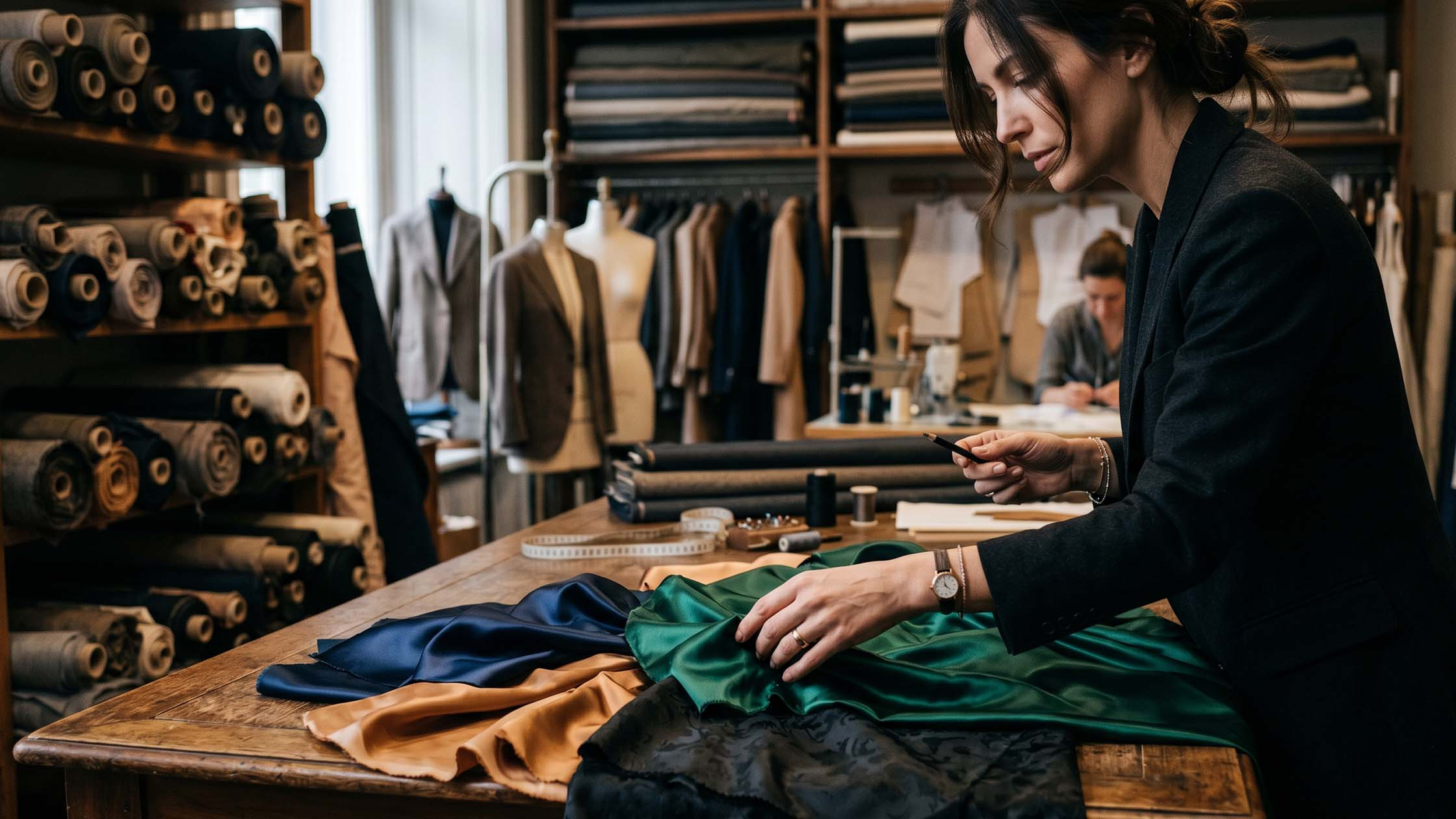
What is lining and why is a good lining fabric the foundation of a garment?
Protecting the structure and shape of your favourite clothes
A properly matched inner layer takes on the everyday strain that arises with movement. The outer fabric stays intact and keeps its original shape for many seasons. Clothing without this reinforcement quickly bags out at points such as the elbows or knees. The right fabric forms a protective barrier that separates delicate fibres from direct contact with the skin. As a result, perspiration and the body's natural oils do not damage the precious weaves of wool or silk. Your favourite dress or jacket gains a stable framework that supports the whole construction of the style. It is an investment in the longevity of every garment you make.
Thermal comfort and ease of wear every day
The inner finish of a garment regulates your body temperature whatever the time of year. A breathable layer of fabric effectively draws moisture outwards and prevents the body overheating on warm days. In winter a suitably chosen fabric creates an extra insulating space that keeps warmth close to the skin. Without this layer, rough outer fabrics cause discomfort and irritation. A smooth surface makes it easy to put on and take off clothes, eliminating the problem of sleeves catching. You gain complete freedom of movement and the certainty of feeling excellent when wearing demanding outfits for many hours.
A conscious choice of inner fabric guarantees a perfect look and comfort in use. It is a decision that affects every aspect of wearing the garment.
The most common consequences of a badly chosen lining: avoid a sewing mistake
A wrong buying decision leads to frustration and the ruin of even the most beautiful project. It is worth learning the most widespread mistakes so you can consciously avoid them.
Static build-up and an unsightly hang of the outer fabric
Using cheap synthetic fabrics causes electrostatic charges to build up on the surface of the garment. A dress or skirt starts clinging unattractively to the legs and loses its original shape. The outer fabric bunches and rides up with every step, spoiling the whole visual effect of the outfit. The problem is worse in dry rooms and during the heating season. The garment needs constant adjusting, which takes away confidence and causes great discomfort. A suitable inner layer eliminates this effect, guaranteeing that the fabric falls smoothly and freely along the figure.
Excessive sweating caused by cheap fabrics
Choosing non-breathable fabrics creates an airtight barrier under the garment. The body quickly overheats, and moisture has no way to evaporate outwards. This leads to unsightly sweat patches on the outer layer of the clothing. Wearing such a jacket or dress becomes burdensome even on cooler days. A lack of proper air circulation encourages the growth of bacteria and the formation of unpleasant odours. Using hygroscopic fibres solves this problem, ensuring constant ventilation and a feeling of freshness all day.
Seams wearing through quickly at key points
Low-quality inner fabrics do not withstand the everyday strain around the underarms, hips and back. The fibres pull apart at the seams, forming unsightly holes and splits. Repairing such damage often requires replacing the whole inner layer of the garment, which means extra cost. Thin, weak weaves degrade under friction when sitting or moving the arms. A solid fabric of suitable density prevents these problems and stabilises the whole construction. A durable fabric protects the time and money you have invested in making the project.
Knowing these hazards lets you match the fabric precisely to the requirements of a particular garment. In this way you will avoid costly sewing corrections.
Plain or patterned linings: which to choose in modern tailoring?
The aesthetics of a garment's interior reflect your individual style and attention to detail. The choice between a solid colour and a print depends on the character of the piece being sewn.
Why are plain linings an absolute must in a business wardrobe?
Classic office wear calls for a subdued, highly professional finish. Plain inner fabrics do not distract from the strict cut of a suit or a pencil skirt. They guarantee complete discretion in formal situations where every detail is judged severely. A neutral colour makes it easy to pair a jacket with a variety of shirts and blouses without any risk of an aesthetic clash. The slippery, uniform surface makes it quick to put on an outer garment at meetings with clients. It is a safe choice that always hits the mark, building the image of a competent, elegant person.
Bold patterns as a hidden designer accent in an outfit
A patterned interior is an excellent space for expressing your own creativity. Colourful floral or geometric motifs give a classic jacket a unique, one-of-a-kind character. Such a detail stays invisible to bystanders, serving as a private element of luxury for the owner. Turning back the sleeves to reveal an original print instantly enlivens the whole outfit and catches the eye. Designers happily use this solution in casual wear and in signature collections. A well-chosen motif can completely change how a simple coat is perceived, giving it a modern edge.
The decision about which texture to choose defines the final character of your sewing creation. It is worth matching this element to the intended use of the finished garment.
The most popular lining fabric – an overview of options for 2026
The textile market offers a wide range of fabrics with varied properties. Get to know the most popular fabrics that meet the highest quality standards.
Viscose and cupro: the ideal breathable compromise
These semi-synthetic fibres combine the best qualities of natural and man-made fabrics. They absorb moisture superbly and provide optimal air circulation, preventing the body overheating. They are distinguished by remarkable softness and a silky handle, which guarantees high wearing comfort. They do not build up static charge, so clothes drape perfectly on the figure. Cupro additionally stands out for its beautiful sheen and exceptional durability, feeling like real silk to the touch. It is a versatile solution that works in most sewing projects, from dresses to jackets.
Acetate: a practical alternative with a subtle sheen
Acetate fibres are a popular choice because of their elegant look and affordable price. They have a smooth surface that makes clothes easy to put on and gives the interior of a garment a luxurious character. This fabric absorbs moisture poorly, which makes it suitable for clothing worn on cooler days. It shows good resistance to creasing and keeps its shape during long use. Care is needed when ironing, as high temperature permanently damages the structure of acetate. It works excellently in jackets and light autumn coats.
New-generation polyester: when is it worth investing in?
Modern synthetic fibres differ greatly from their older counterparts. Advanced production technologies make it possible to create fabrics with increased breathability and better moisture wicking. Polyester is characterised by great resistance to mechanical damage and abrasion. It is moth-proof and needs no complicated care. It is an excellent choice for heavy outerwear such as winter jackets or work coats. It is worth choosing technologically advanced weaves designed for sportswear and outdoor clothing.
Analysing the properties of the individual fibres makes it easier to take the right buying decision. Choosing the right fabric determines the success of the whole project.
Elegant linings for premium projects and evening wear
Luxury clothing requires finishing fabrics of the highest class. Noble fibres underline the rank of the garment and provide unrivalled sensory experiences.
Natural silk: unrivalled luxury for the most demanding
The king of all fabrics offers the absolute highest level of comfort and elegance. Natural silk fibres have excellent thermoregulating properties, cooling in summer and warming in winter. The fabric is extremely gentle on the skin and causes no irritation or allergies. Its beautiful pearly lustre gives the interior of a garment an exclusive, refined look. It needs specialist care and gentle handling during sewing. It is the only right choice for haute couture gowns and luxury made-to-measure suits.
Satin and lustrous satin weaves: a noble finish in formal fashion
The dense weave of these fabrics creates a smooth, highly glossy surface that reflects light. They give garments the right weight and make outerwear fall in an exceptionally sculptural way. Satin works superbly in ball gowns and evening coats, adding volume and structure. A satin finish to the inside of a dinner jacket is a classic detail required by a strict dress code. They need precise cutting and sewing because of their tendency to fray at the edges. They deliver a spectacular visual effect appropriate to the rank of the most important occasions.
Using luxury inner fabrics raises the value of the whole garment. It is the detail that distinguishes mass production from true craftsmanship.
How to choose the ideal lining fabric for a summer or cocktail dress?
Clothing intended for the warm months needs specific construction solutions. Lightness and maximum breathability become the priority.
Light, hygroscopic fabrics for hot days
Summer dresses need an inner layer that will not weigh down the figure or block the flow of air. Thin cotton batiste or delicate viscose are the best options for airy designs. These fibres instantly absorb moisture from the surface of the skin and release it to the surroundings just as quickly. This prevents the outer fabric from sticking to the body in high temperatures. It is important to match the elasticity of both layers so that the garment does not restrict movement. Light-coloured inner fabrics prevent patterns from showing through the thin main layer.
Stabilising thin fabrics in wedding and ball gowns
Complicated corset constructions and flared skirts need a solid foundation. A well-chosen inner layer supports the weight of embroidery, beads and appliqués sewn on the outside. Stiff tulle or taffeta give the desired volume and prevent the form of the gown from collapsing. In places of direct contact with the skin an additional layer of soft silk is used for comfort. Such a multi-layer construction guarantees the bride a flawless look all night long. Precisely shaping these layers is the mark of the highest tailoring craftsmanship.
The correct construction of summer and evening gowns rests on invisible details. They ensure a perfect look and freedom to enjoy yourself.
The ideal lining for a jacket and a luxury suit
Classic elegance, for men and women, rests on the strict rules of the tailor's art. The interior of a jacket decides its function and wearing comfort.
Freedom of movement and the right slip in the sleeves
Putting a fitted jacket on over a shirt calls for a fabric with a perfectly smooth surface. The fabric in the sleeves must offer minimal resistance to prevent the material underneath from bunching. Using rough fibres completely blocks arm movement and causes great discomfort. Tailors often use one type of fabric in the body and another in the sleeves to optimise comfort. The slippery structure of cupro or acetate makes it easy to put on and take off a jacket in any situation. It is an indispensable construction element of every professional business suit.
Hygroscopicity and breathability of office clothing
Many hours of work in enclosed rooms demand clothing that supports the body's natural thermoregulation. The interior of a jacket must actively draw moisture away to prevent marks on the shirt. Breathable viscose is the best choice for everyday office clothes, providing constant air circulation. Avoiding cheap polyesters is the foundation of staying hygienic and fresh during long meetings. A good fabric does not absorb unpleasant odours from the surroundings, making it easier to keep clothes clean. An investment in breathable fibres translates directly into your everyday wellbeing.
A suit is an investment in a professional image. Its inner construction must match the quality of the outer wool.
A durable lining for an autumn coat or winter jacket
Outerwear that protects against harsh weather needs an exceptionally solid finish. Durability and thermal insulation are the priority here.
Fabrics resistant to friction and intensive everyday use
We put on coats and jackets over thick jumpers and blazers, which creates strong friction inside the garment. Delicate fibres would quickly wear through and be ruined in such conditions. Choose fabrics with a dense weave and a high weight that resist mechanical damage. Blends of viscose with polyester, or strong acetate, guarantee a long life for the inside of a coat. Reinforced seams around the underarms and back prevent the fabric from coming apart with movement. A solid inner layer protects expensive wool or cashmere from bagging.
Insulated linings for maximum thermal insulation
Winter projects need an additional layer protecting against frost and wind. Quilted fabrics combined with a thin layer of wadding make an excellent thermal barrier. They hold warm air close to the body without significantly increasing the bulk of the whole garment. This kind of solution works well in elegant wool coats, letting them keep their slim shape. An insulated interior removes the need to wear several thick layers of clothing underneath. It gives an elegant look and full comfort even on the coldest days of the year.
Choosing the right fabrics for outerwear extends its life by many seasons. It also provides reliable protection against the cold.
Natural versus synthetic fabrics in the world of professional linings
The age-old dispute over the superiority of particular fibre types also concerns the inner layers of clothing. Each of these groups has its own specific properties and uses.
The advantages and limitations of one hundred per cent natural fibres
Cotton and silk offer the highest level of breathability and are completely safe for sensitive skin. They provide excellent thermoregulation and do not cause outer garments to build up static. They have specific care requirements and are prone to creasing. Cotton resists when you put clothes on, which disqualifies it as a fabric for jacket sleeves. Silk is extremely expensive and delicate, which limits its use to luxury occasion wear. Choosing pure nature is an uncompromising decision that requires the finished garment to be treated accordingly.
When does a blend of synthetic fibres prolong the life of a garment?
Combining different types of yarn makes it possible to create fabrics with optimal practical parameters. A small addition of polyester to viscose significantly increases its resistance to abrasion and tearing. This makes ironing easier and prevents hard-to-remove creases inside a coat. Admixtures of elastane make the fabric follow the movement of the body, which is essential in fitted dresses. Such hybrid solutions combine wearing comfort with practicality and longevity. They are the golden mean for people looking for reliable fabrics for everyday use.
A conscious combination of the properties of different fibres lets you achieve perfect results. It is worth analysing the composition of fabrics before buying.
The importance of fabric weight: how does the weight of a lining affect how clothes hang?
The weight of the inner fabric must work perfectly with the parameters of the main fabric. Upsetting these proportions leads to deformation of the whole project.
Thin, floaty linings for delicate silk and linen
Summer dresses and blouses need layers of minimal weight and high transparency. An inner fabric that is too heavy would weigh down the delicate silk, making it lose its natural airiness. Thin batiste or chiffon stabilise the construction perfectly without affecting the final shape of the garment. They allow the outer fabric to ripple freely with every movement of the body. A low weight also guarantees better air circulation on hot days. Choosing a suitably light layer is a necessary condition for keeping the ethereal character of summer outfits.
Substantial lining fabrics designed for wool and tweed
Heavy winter clothing makes it necessary to use suitably thick, solid finishing fabrics. Thin viscose would quickly be ruined in contact with rough tweed or thick wool. A substantial inner fabric forms a suitable counterweight to the weight of the coat, preventing it from deforming. It also hides any unevenness of the seams and internal structural reinforcements. A high weight provides additional thermal insulation and protects against wind penetrating. Matching the weight of both layers guarantees an impeccable look and a long life for a winter wardrobe.
The proportions between the layers of a garment decide its final form. Precisely choosing fabric weight is a skill that sets the best tailors apart.
How to match the colour of the lining to the chosen outer fabric?
The colour scheme of a garment's interior affects the aesthetics of the whole project. You choose either complete harmony or an intriguing contrast.
Classic and safe harmony in a tone-on-tone scheme
Choosing a shade close to the colour of the main fabric is the most versatile and elegant solution. It works superbly in formal suits and classic business dresses. An identical tone makes the interior of the garment invisible, so it does not distract from the cut. With thin outer fabrics it prevents the colour showing through unattractively to the outside. Finding the perfect colour match takes time and access to a wide palette of fabrics. It is a safe route that always guarantees a professional, coherent look for the finished outfit.
A contrasting lining as a way of personalising a project
Using a bright colour inside a dark jacket is a tried and tested trick of master tailors. A burgundy, emerald or violet finish on a navy suit gives it a unique, luxurious character. Such a detail lets you express your own personality discreetly without breaking the strict rules of the dress code. Revealing the coloured interior when taking off a jacket always brings a pleasant surprise to those around you. Designers often use this device in limited premium clothing collections. A bold contrast is the hallmark of clothes made to individual order.
Playing with colour is the simplest way to add variety to classic styles. It is worth experimenting with colours when planning your next projects.
Sewing tips for enthusiasts: how to cut linings correctly?
Working with slippery fabrics requires the right techniques and tools. Proper preparation guarantees precision and prevents frustration.
Preparing exceptionally slippery fabrics for precise cutting
Fabrics such as cupro or satin tend to slide about on the cutting table. Before starting work, iron the fabric thoroughly to remove all creases. Using pattern weights instead of pins prevents holes in the delicate structure of the fibres. Cutting a single layer of fabric minimises the risk of the cutting line shifting. A non-slip mat on the work surface makes it much easier to control the slippery fabric. Patience and accuracy at this stage determine how the finished garment will hang.
Choosing the right needles and thread for delicate structures
Using universal accessories leads to pulled threads and puckered seams. Thin fabrics need sharp needles in a thickness matched to the weight of the fabric. High-strength polyester threads with a smooth surface prevent seams from splitting while the garment is worn. The right thread tension on the sewing machine eliminates the problem of the fabric gathering up. It is worth testing the machine settings on scraps before starting the actual sewing. Professional tools guarantee a neat finish and the durability of every seam inside the garment.
Mastering techniques for working with difficult fabrics raises the quality of the projects you make. The right tools are half the sewing success.
Caring for lined clothing: instructions for looking after the fabric for years
The way a garment is maintained depends on the properties of both fabrics joined together. Incorrect washing leads to irreversible damage and deformation.
Safe rules for washing and ironing delicate linings
Clothes with a viscose or acetate inner layer need gentle treatment at low temperatures. Hand washing or using special machine programmes protects the fibres from shrinking. Ironing should be done on the wrong side, using a low iron temperature with no burst of steam. High temperature permanently damages man-made fibres, causing them to melt and stiffen. Avoiding strong spinning and tumble drying prevents hard-to-remove creases. Airing clothes regularly lets you wash them less often and extends the life of the fabrics.
Professional care required by elegant linings made of silk
Luxury suits and evening gowns with a silk finish are not suitable for home washing. Contact with water makes silk lose its lustre and the fabric shrink drastically. Clothing of this kind should be entrusted only to trusted dry cleaners specialising in cleaning premium garments. Professionals use gentle solvents that are safe for natural fibres and complicated tailoring constructions. Storing such clothes in breathable garment covers protects them from dust and moths. An investment in professional care guarantees a flawless look for the outfit for decades.
Following the care recommendations is the duty of every owner of high-quality clothing. Proper maintenance protects your investment.
Ecological innovations in linings: sustainable fashion trends for 2026
Ecological awareness is changing the face of modern tailoring. The market offers innovative fabrics that are friendly to the natural environment without any loss of quality.
Certified linings made from recycled materials
Processing plastic bottles into high-quality polyester fibres is standard in modern textile production. These fabrics have identical properties to virgin raw materials, offering high strength and resistance to creasing. Certificates such as GRS guarantee transparency of the supply chain and a real impact on waste reduction. Choosing such fabrics lets you create durable outerwear with respect for the planet's resources. The quality of recycled fabrics fully matches the traditional solutions available on the market. It is a responsible choice for modern consumers and designers.
Fully biodegradable fibres in zero-waste projects
Modern technologies make it possible to produce fabrics from wood cellulose sourced from certified plantations. Innovative varieties of viscose and lyocell break down in the natural environment, leaving no toxic traces. A closed loop of water and chemicals in the production process minimises the negative impact on ecosystems. These fabrics are characterised by exceptional softness and excellent thermoregulating properties. They fit perfectly into the philosophy of designing clothes that can safely return to nature once worn out. Sustainable tailoring is the future of the fashion industry and of conscious consumers.
Ecological alternatives are a fully fledged substitute for conventional fabrics. By choosing them you have a real influence on the future of our planet.
FAQ: the most frequently asked questions about the ideal lining fabric
We dispel the last remaining doubts about the choice and use of the inner layers of clothing. Find the answers to questions that trouble sewing enthusiasts.
Does the lining for a fitted dress have to be stretchy?
Fitted clothing sewn from fabrics containing elastane needs a stretchy inner layer. A stiff fabric would completely block the elasticity of the dress and make it impossible to move or sit freely. The strain that arises during movement would quickly tear the seams inside the garment. Choose fabrics with an addition of Lycra or spandex, which move in the same direction as the outer fabric. This guarantees full comfort and a perfect fit of the outfit to the figure.
How do you calculate how much fabric to buy for the lining of a long coat?
The amount of fabric needed depends on the style of the coat and the width of the chosen fabric. Usually you buy a quantity equal to the length of the coat plus the length of the sleeve and an extra twenty centimetres for seam allowances. Wide collars, roomy hoods or pleats require adding extra metres of fabric. It is always worth consulting a tailor or checking the guidelines that come with the finished sewing pattern. Buying a little more fabric is a safe solution that prevents problems during cutting.
Where online to find top-quality elegant linings in plain colours?
Reputable online shops with premium fabrics offer the widest choice of proven fabrics. It is worth looking for sellers who provide detailed descriptions of properties and exact fibre compositions of the products on offer. The option of ordering samples before the final purchase is the hallmark of professional suppliers who care about customer satisfaction. Shops that specialise in supplying designers and sewing workrooms guarantee the highest quality of range. Reading other buyers' reviews helps verify the shop's reliability and the quality of the fabrics on offer.
Theoretical and practical knowledge is the key to success in sewing. The answers to these questions will make your next projects easier to carry out.